
Introduction
Every parent knows the frustration of an expensive play structure gathering dust after a week. The trick to a backyard kids return to daily isn’t more stuff, it’s the right stuff. These 23 kids outdoor play area ideas, from mud kitchens and sensory paths to climbing walls and puppet theaters, are chosen because they spark real, repeatable play. Each one is simple to set up, budget-friendly, and flexible enough to grow alongside your child, turning your yard into their favorite spot in the house.
1. DIY Mud Kitchen
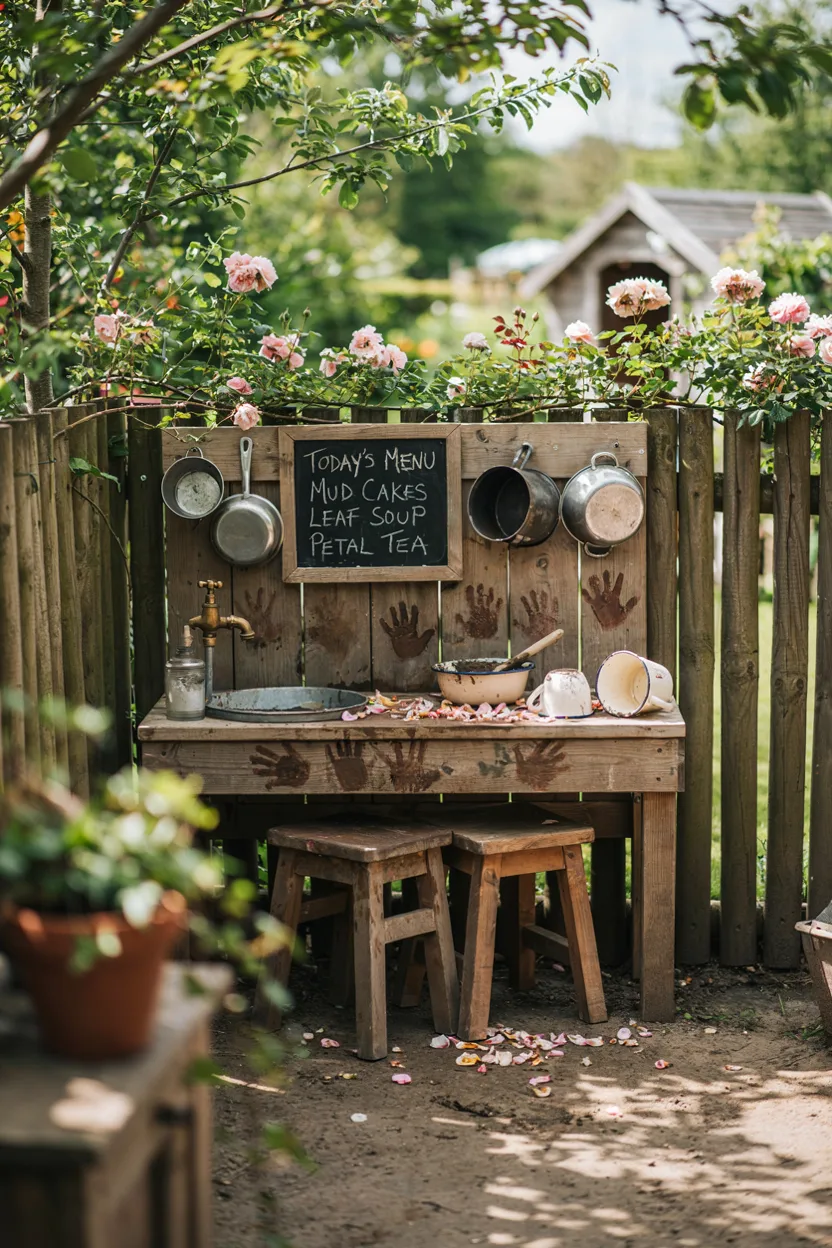
A mud kitchen turns ordinary backyard dirt into hours of imaginative play. Kids love mixing “recipes,” stirring pots, and pretending to serve meals to family and stuffed animal guests. Building one is simple: repurpose an old dresser or build a basic frame from scrap wood, then add a sink basin, shelves, and hooks for utensils. This kids outdoor play area idea encourages creativity, sensory exploration, and fine motor skill development, all while keeping the mess contained outside where it belongs.
What makes mud kitchens so popular is that they never get boring. Unlike plastic toys that lose their appeal, mud kitchens offer endless variation depending on the season, weather, and whatever natural materials are available that day. Add a chalkboard for daily “specials,” a bucket of water, and some old kitchen tools from a thrift store to keep costs low. Rotate in seasonal ingredients like pinecones, berries, or fallen leaves to keep the play fresh and engaging for toddlers through elementary-aged kids.
2. Sandbox Play Station
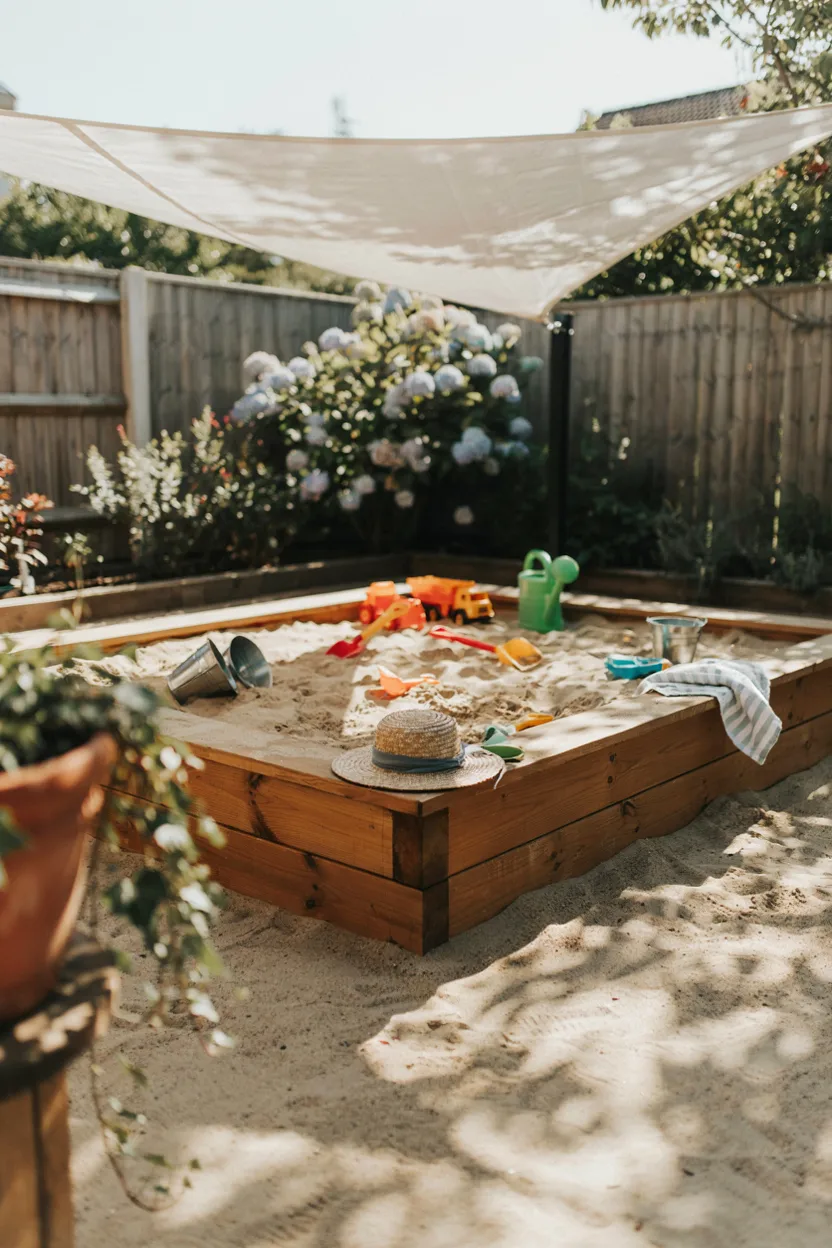
Sandboxes remain one of the most timeless kids outdoor play area ideas because they support open-ended, creative play for years. Toddlers dig and pour while older kids build elaborate castles, roads, and tunnels. Choosing a covered sandbox helps keep debris and animals out overnight, extending the life of the sand and making cleanup easier. Adding a built-in seat around the edge gives kids a comfortable spot to sit while playing and gives parents a place to supervise from nearby.
To make a sandbox even more engaging, stock it with a rotating cast of tools: measuring cups, small rakes, sieves, and toy vehicles. Placing the sandbox in partial shade prevents the sand from getting too hot in summer and keeps kids playing longer without overheating. Consider adding a small water source nearby so kids can mix wet and dry sand for building. This simple addition transforms basic digging into full sensory play that keeps children entertained daily.
3. Backyard Balance Beam
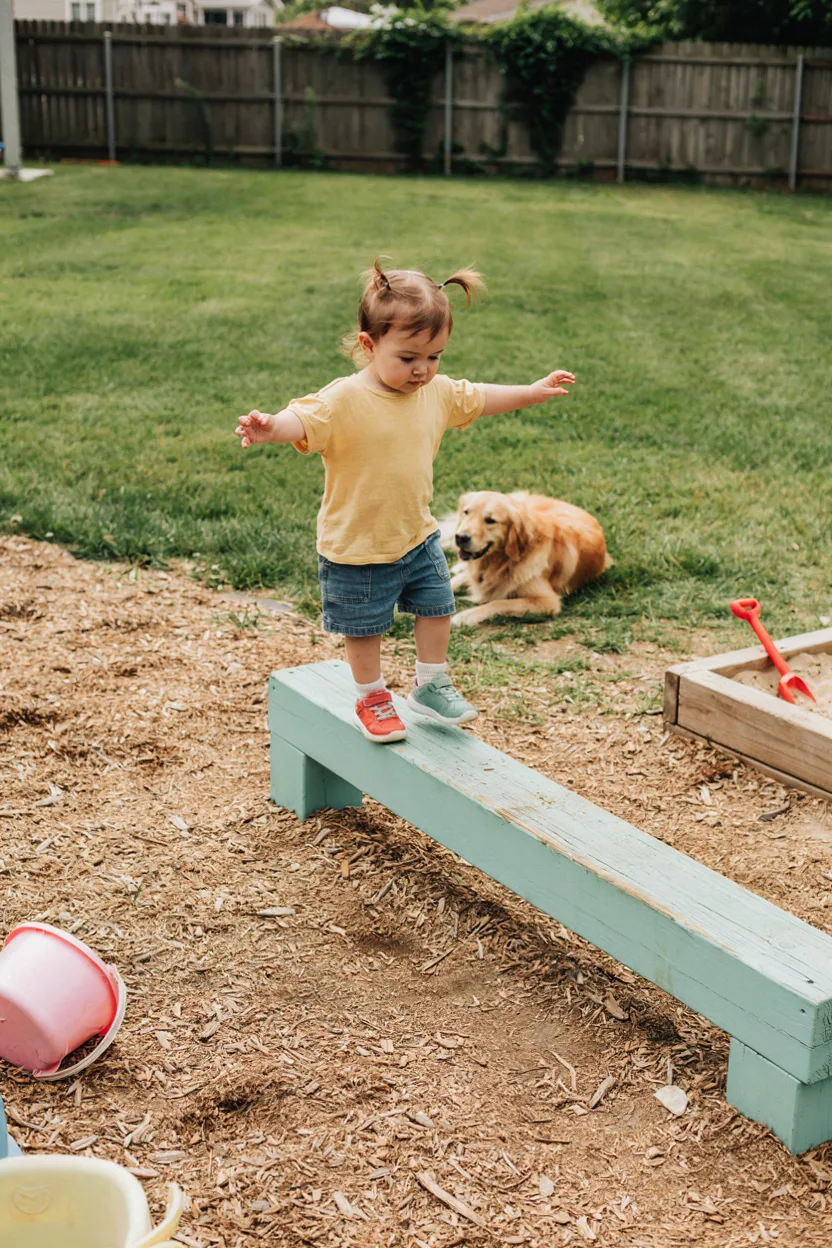
A balance beam is one of the simplest kids outdoor play area ideas to build, yet it delivers major benefits for gross motor development. Made from a single sturdy wooden beam mounted low to the ground, it challenges kids to focus, balance, and coordinate their movements. Because it takes up very little space, a balance beam fits into even small backyards or side yards, making it accessible for almost any family looking to add active play options.
Kids naturally gravitate toward balance beams because they turn walking into a fun challenge, and children often invent their own games like racing, hopping, or walking backward. Adding a soft landing surface such as mulch, rubber matting, or thick grass underneath keeps things safe during inevitable wobbles and falls. For added excitement, paint the beam in bright colors or add numbers and shapes for kids to identify as they cross, blending physical activity with early learning skills.
4. Mini Trampoline Zone
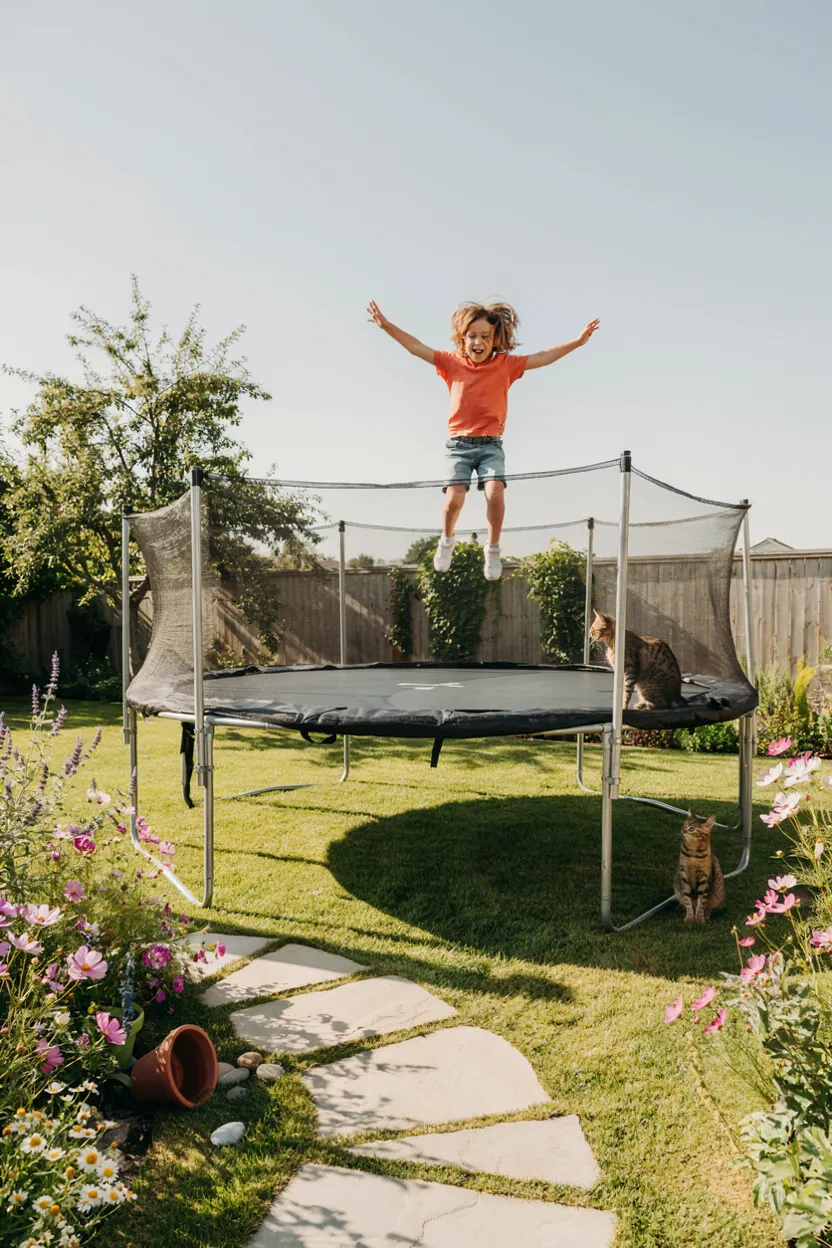
In-ground trampolines have become a favorite among kids outdoor play area ideas because they blend seamlessly into the landscape while offering an outlet for high-energy play. Unlike above-ground models, in-ground trampolines sit level with the yard, reducing tripping hazards and creating a cleaner, more integrated look. They’re especially popular with parents who want their kids to burn off energy safely without the bulky visual footprint of a traditional trampoline taking over the yard.
Jumping supports cardiovascular health, coordination, and core strength, making it both fun and genuinely beneficial for growing bodies. A trampoline zone becomes a natural gathering spot for siblings and friends, encouraging cooperative games like counting jumps or simple gymnastics routines. For families with younger children, adding a soft safety net and cushioned edge padding provides peace of mind, allowing kids to enjoy vigorous, joyful play daily while parents relax nearby.
5. Treehouse Reading Nook
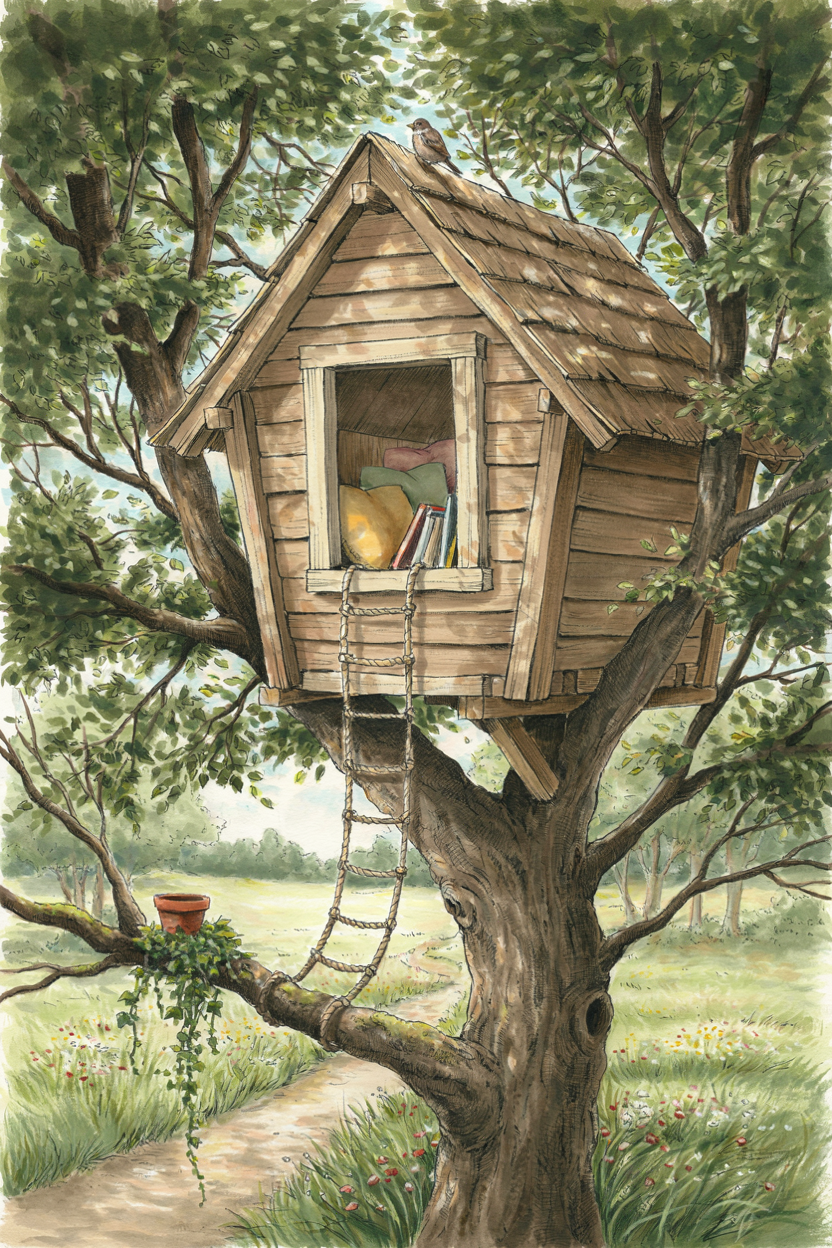
A treehouse reading nook combines quiet play with the excitement of climbing, making it one of the more imaginative kids outdoor play area ideas for families with mature trees. Even a simple platform with railings and a roof can become a beloved retreat where kids escape with a book, a flashlight, and a favorite stuffed animal. This type of space encourages independent play and gives children a sense of ownership over their own little world above the ground.
Stocking the treehouse with weatherproof cushions, a small basket of books, and battery-powered string lights makes it usable well into the evening hours. Because it’s elevated and enclosed, a treehouse naturally limits distractions, helping kids settle into focused, calm play after a day of running around. Adding a simple pulley system for hauling up snacks or toys adds another layer of fun, turning the treehouse into a genuine daily destination rather than a novelty.
6. Chalkboard Fence Wall
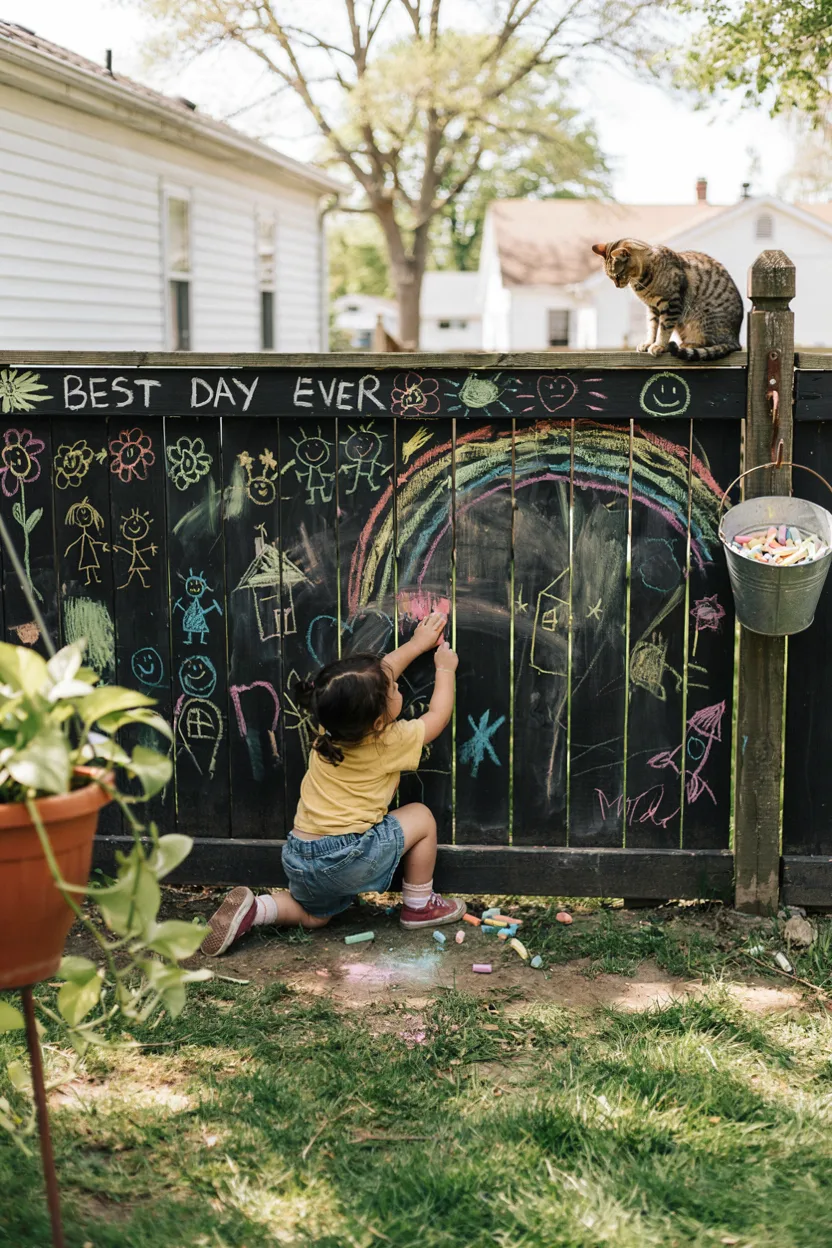
Turning an unused fence panel into a giant chalkboard is one of the easiest and most budget-friendly kids outdoor play area ideas around. A few coats of chalkboard paint transform a plain wooden fence into an ever-changing canvas for artwork, games like tic-tac-toe, or practicing letters and numbers. Because rain washes the chalk away naturally, the wall stays perpetually blank and ready for the next masterpiece, eliminating the need for constant cleanup or fresh materials.
This idea works especially well for encouraging creativity in a low-pressure way, since chalk drawings are temporary and easily erased. Hanging a small caddy of chalk and erasers directly on the fence keeps everything within reach for spontaneous art sessions. Many families find that a chalkboard wall becomes a daily ritual, with kids adding a new drawing each morning or leaving notes and messages for siblings and parents to discover throughout the day.
7. Water Table Splash Zone
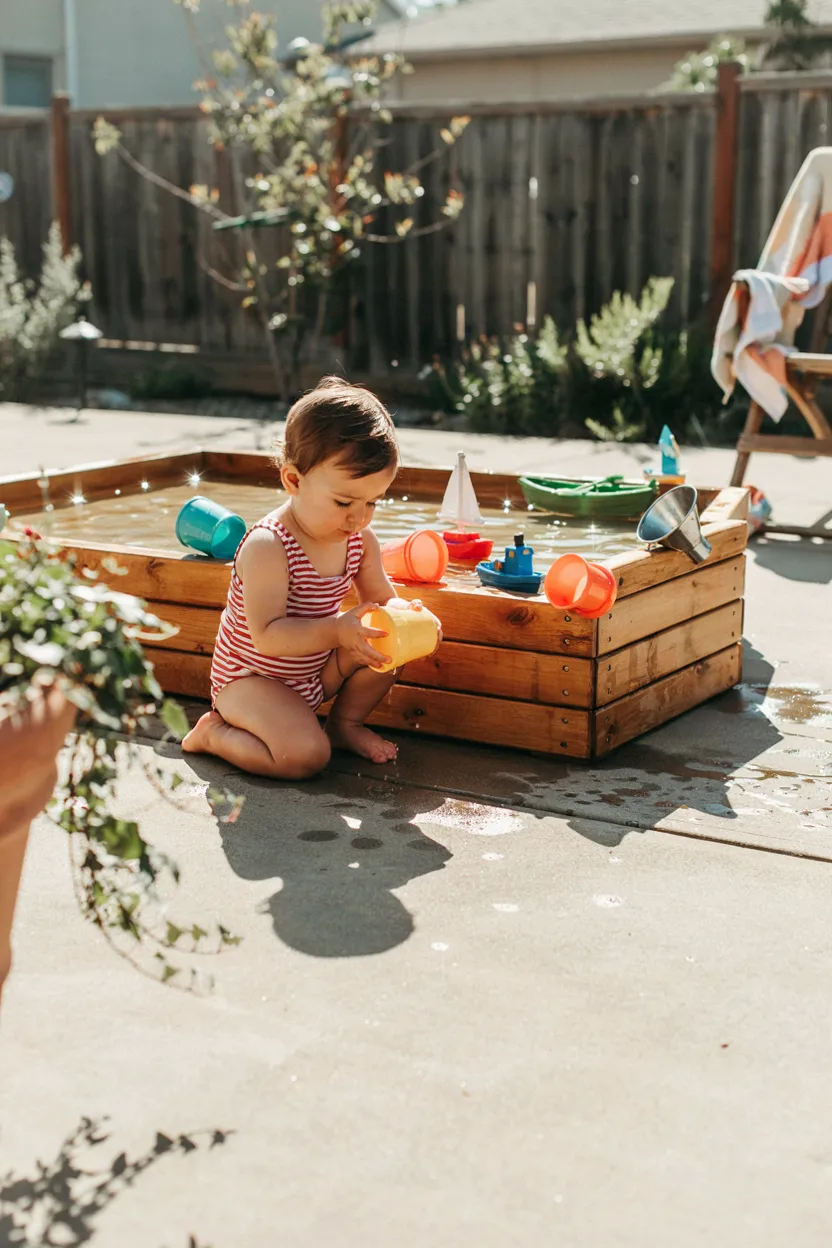
Water tables offer sensory-rich play that keeps younger kids engaged for long stretches, making them a staple among kids outdoor play area ideas for toddlers and preschoolers. Filling the table with cups, funnels, small boats, and sieves allows children to experiment with pouring, floating, and sinking, all while developing hand-eye coordination. Because the table is elevated to a comfortable height, kids can stand and play comfortably without needing to bend or kneel on the ground.
On hot days, a water table doubles as a simple way to cool off without needing a full pool setup. Placing it on a patio or hard surface makes cleanup quick, since water can simply be swept or hosed away afterward. Rotating in new toys like rubber ducks, water wheels, or colored ice cubes keeps the activity fresh throughout the summer, ensuring this splash zone remains a go-to spot for daily outdoor entertainment.
8. Tire Swing Corner
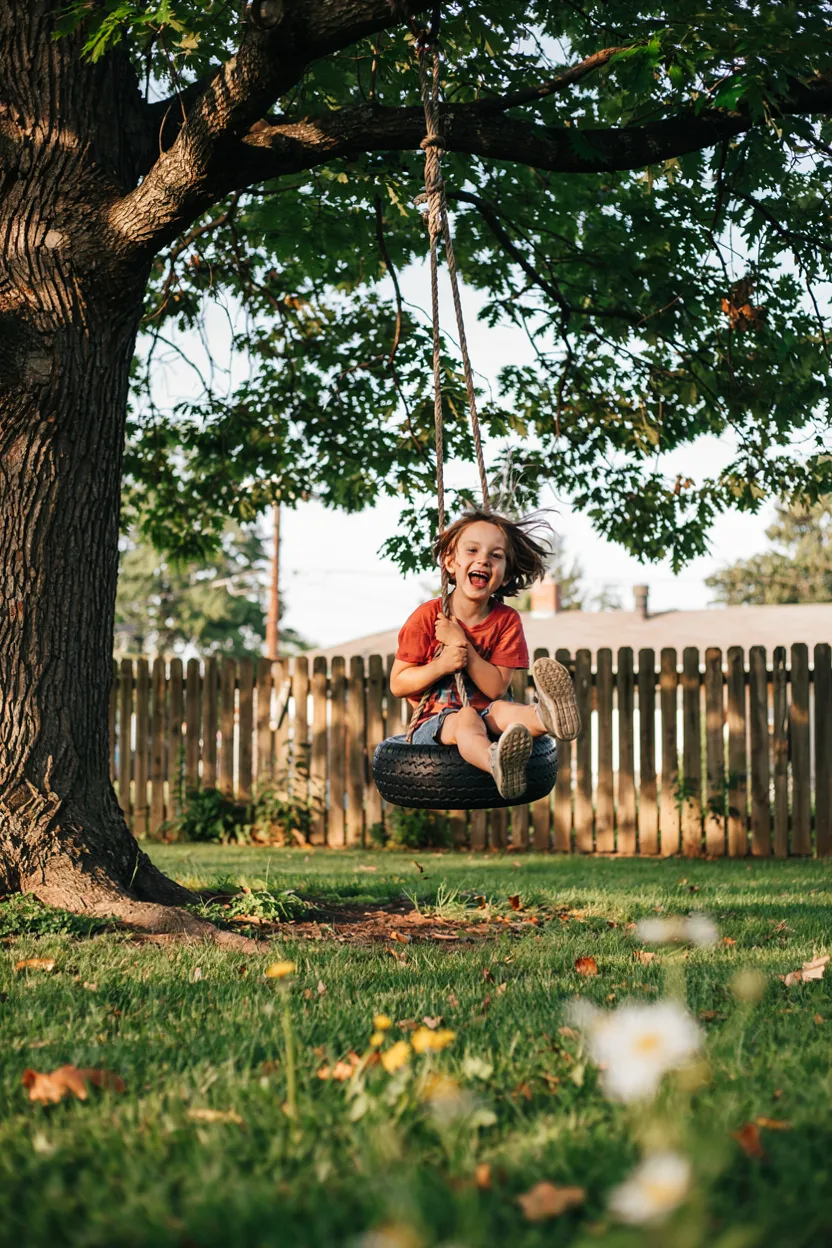
The tire swing remains a beloved classic among kids outdoor play area ideas because it’s simple, affordable, and endlessly fun. All it takes is a sturdy tree branch, a strong rope, and an old tire to create a swing that can be enjoyed solo or with a friend sitting alongside. Unlike traditional single-seat swings, the wide surface of a tire allows kids to sit, lie down, or spin, offering more varied and dynamic play options.
Because tire swings can rotate freely, they also provide vestibular input that helps develop balance and spatial awareness in young children. Choosing a horizontal hanging style, where the tire lies flat rather than vertical, tends to be safer and more popular with younger kids who enjoy spinning gently while lying on their stomachs. This nostalgic addition often becomes a favorite gathering spot for siblings and neighborhood friends throughout every season.
9. Nature Scavenger Hunt Garden
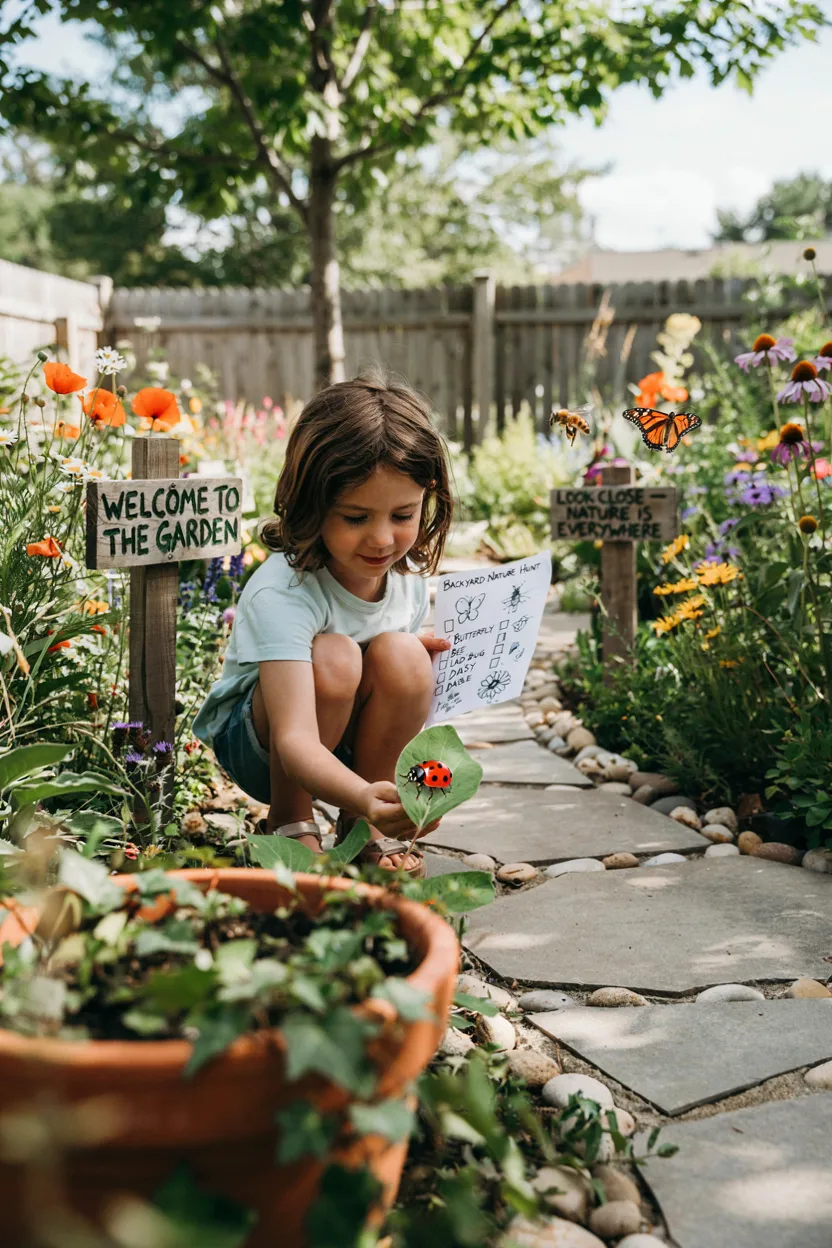
Designing a small nature garden specifically for scavenger hunts is one of the more educational kids outdoor play area ideas, blending outdoor exploration with learning. Planting a variety of flowers, herbs, and shrubs that attract butterflies, bees, and birds gives kids plenty to search for and observe. Adding simple wooden signs labeling different plants or creatures helps children connect what they see with real names, turning a casual backyard stroll into a mini science lesson.
Printable scavenger hunt checklists featuring items like “a red flower,” “a smooth rock,” or “a butterfly” give the activity structure and purpose, keeping kids motivated to explore every corner of the space. This type of play area encourages patience, observation skills, and a genuine appreciation for the natural world. Because the garden changes with the seasons, the scavenger hunt itself evolves too, offering new discoveries throughout the year rather than staying static.
10. DIY Obstacle Course
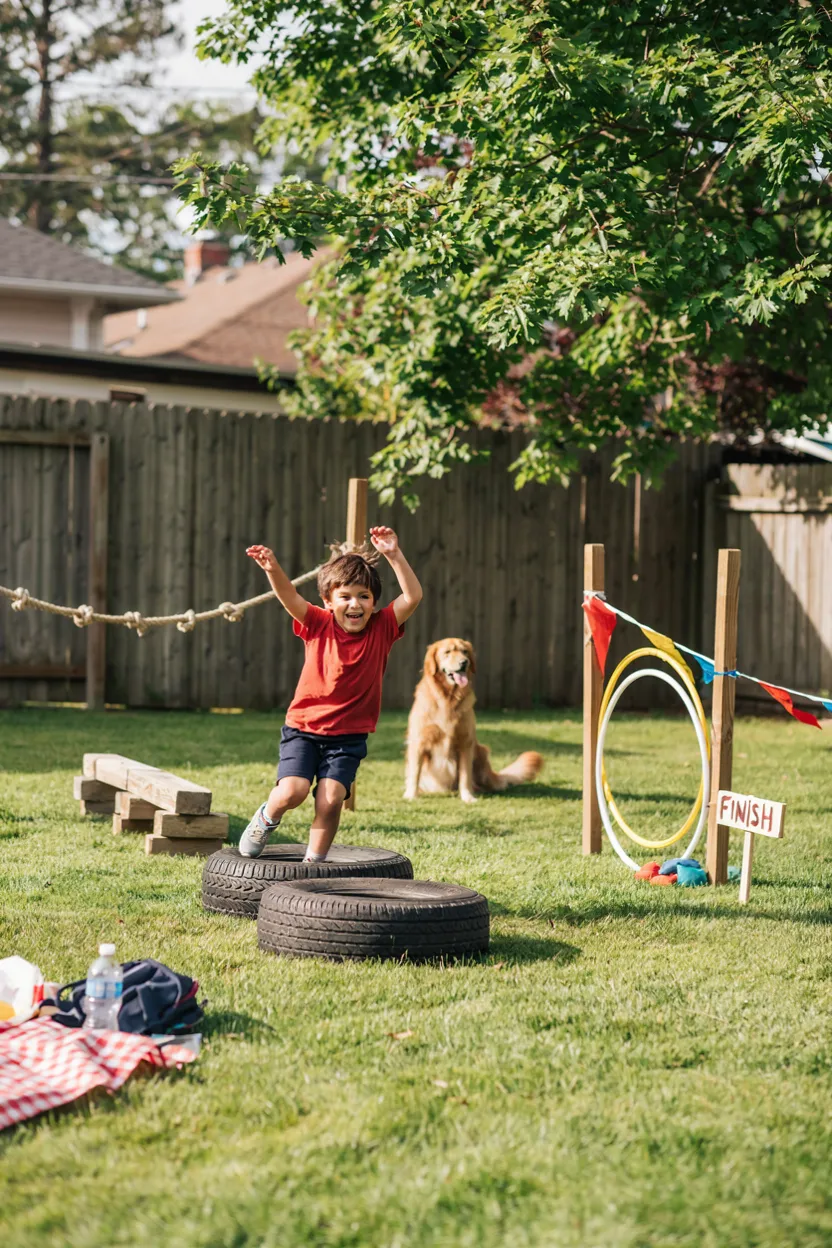
Building a rotating obstacle course is one of the most active kids outdoor play area ideas, perfect for burning off energy while developing coordination and problem-solving skills. Using items already on hand, like tires, hula hoops, pool noodles, and cones, parents can design a course that changes weekly to keep things exciting. Timing kids as they complete the course adds a playful competitive element that many children find highly motivating.
What makes an obstacle course so effective is its flexibility; the layout can be simplified for toddlers or made more challenging for older kids by adding crawling tunnels, balance beams, or jumping stations. Involving kids in setting up the course themselves adds another layer of engagement and creativity. Because the materials are inexpensive and often reusable, this idea offers nearly unlimited variations, ensuring the play area rarely feels repetitive or boring.
11. Sensory Garden Path
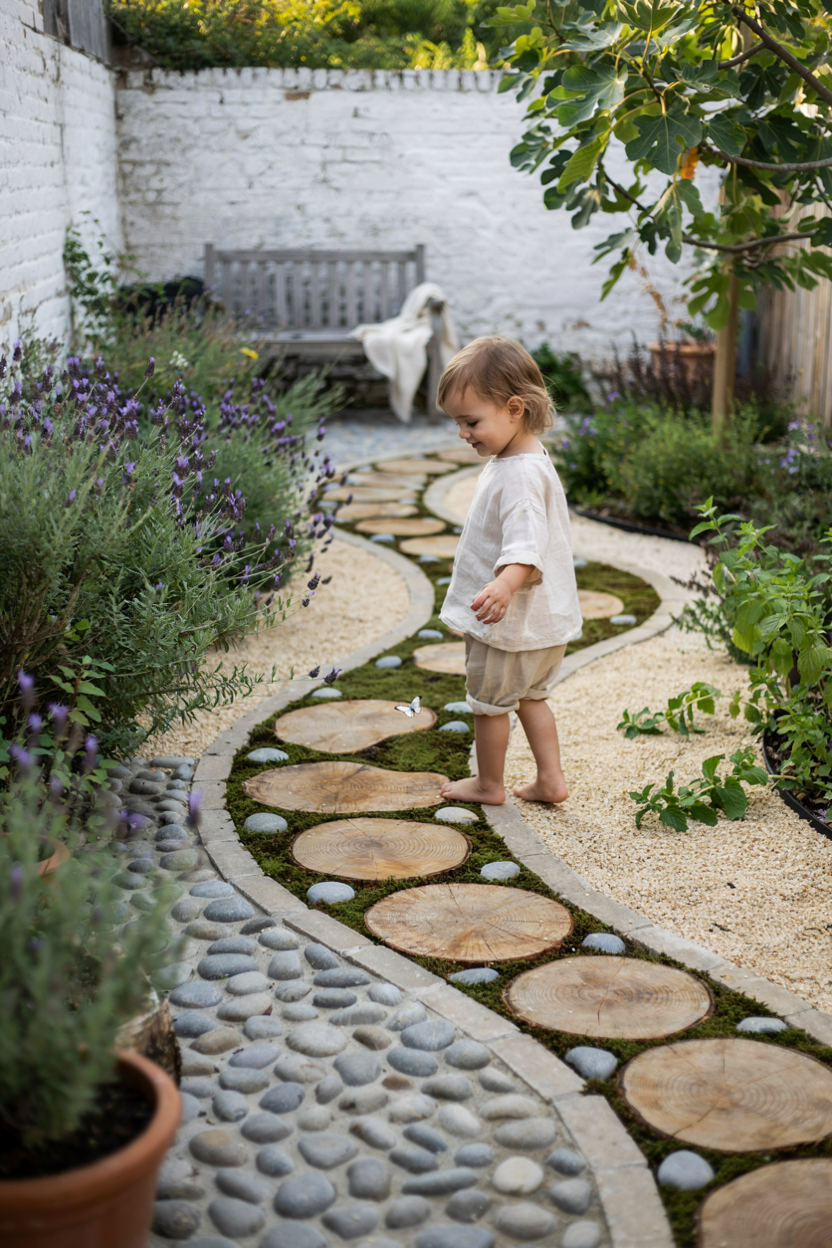
A sensory path is a thoughtful addition among kids outdoor play area ideas, designed specifically to engage touch, smell, and sight. By combining different textures like smooth stones, rough bark, soft moss, and cool grass, the path invites kids to slow down and notice how each surface feels underfoot. Planting fragrant herbs like mint, lavender, or rosemary along the edges adds a calming sensory layer that many children find soothing after active play.
This type of play area is especially valuable for children who benefit from sensory regulation, though kids of all abilities tend to enjoy the novelty of walking barefoot across varied surfaces. Because the materials are natural and low-maintenance, a sensory path requires little upkeep once installed. Many families find their kids return to the path daily, sometimes just to walk it slowly as a calming transition between more active outdoor games.
12. Backyard Puppet Theater
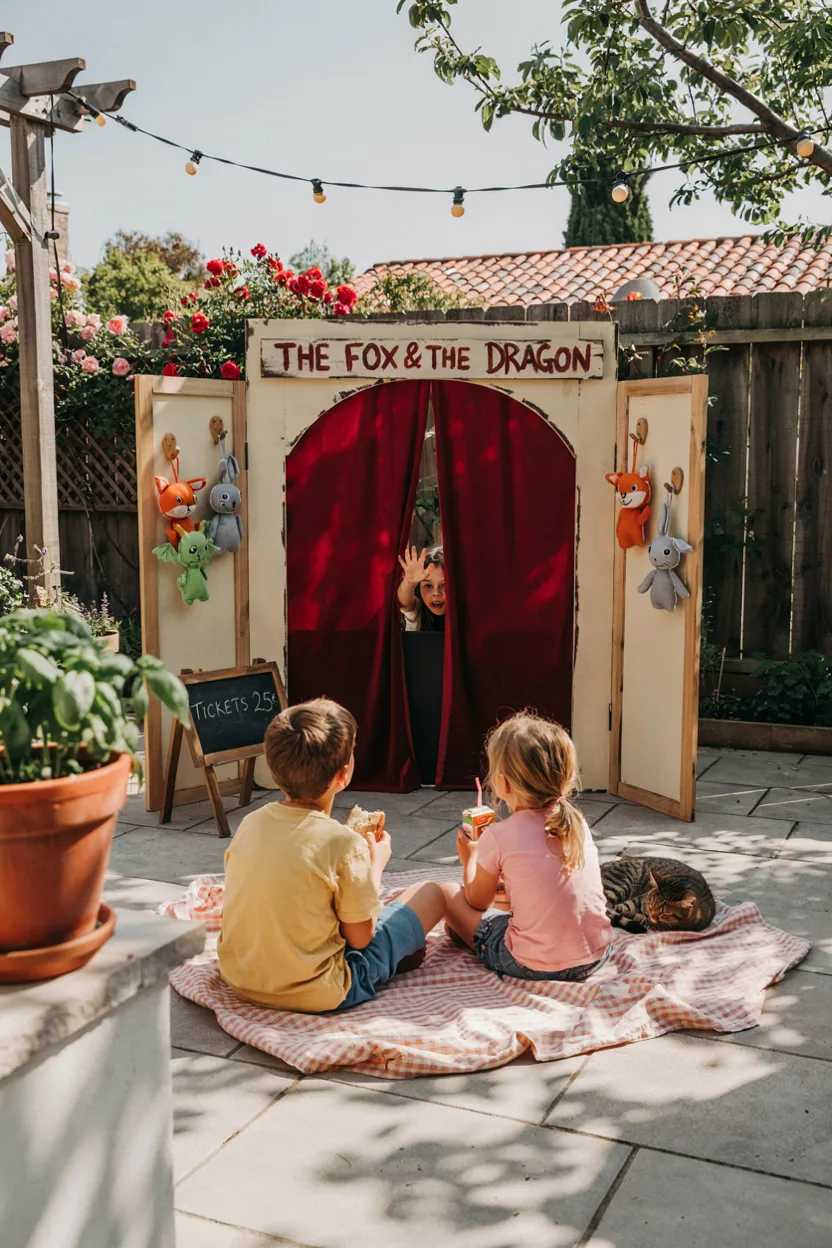
A DIY puppet theater brings imaginative storytelling outdoors, making it one of the more creative kids outdoor play area ideas for kids who love pretend play. Built from a simple wooden frame with a fabric curtain, the theater gives children a dedicated stage to perform shows for family and friends. Storing a basket of puppets, props, and costumes nearby encourages spontaneous performances that can happen any afternoon without much setup required.
This kind of play area nurtures language development, confidence, and social skills as kids write scripts, assign roles, and collaborate with siblings or friends. Because performances can be as simple or elaborate as the child wants, a puppet theater grows with kids over time, evolving from basic puppet shows to full backyard plays. Setting up folding chairs or a picnic blanket nearby creates an instant audience area, turning ordinary afternoons into memorable little productions.
13. Rock Climbing Wall
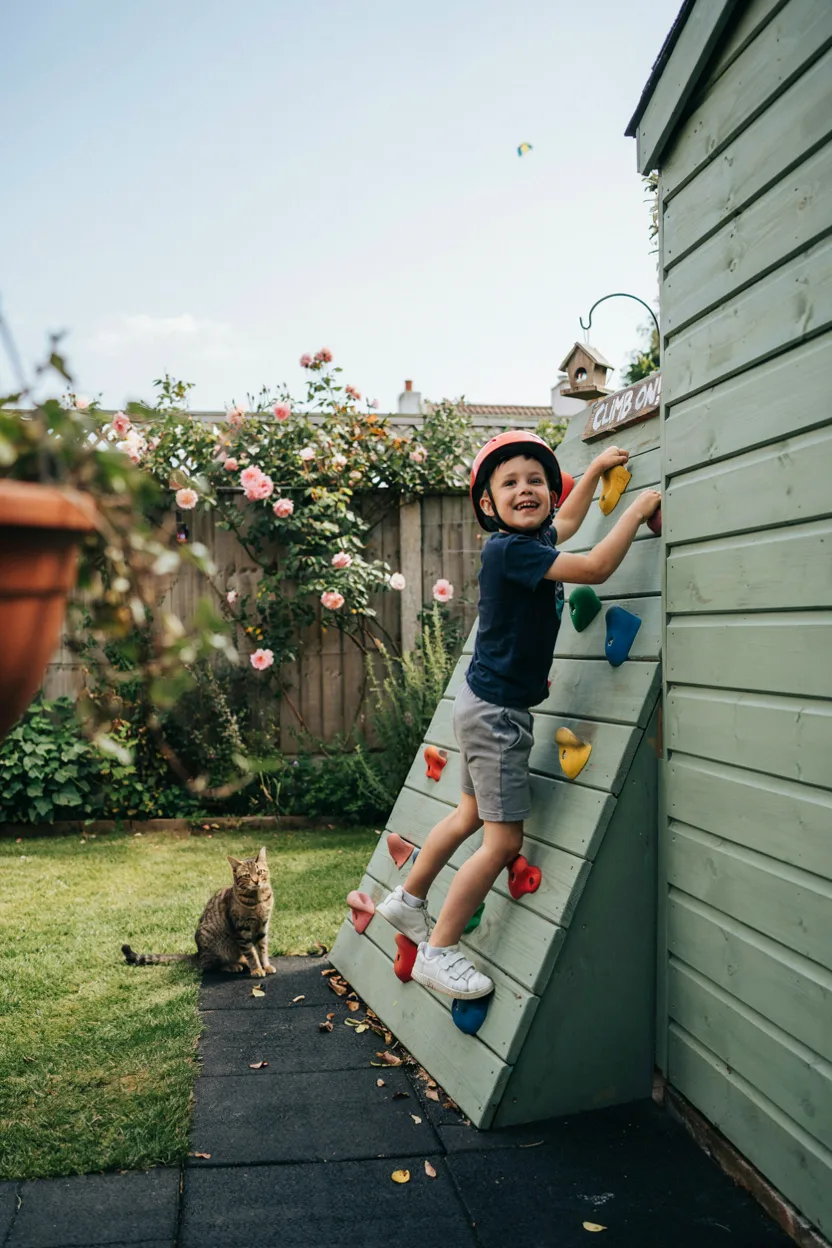
A small climbing wall built onto an existing structure, like a shed or fence, is one of the more physically challenging kids outdoor play area ideas that kids return to again and again. Installing colorful climbing holds at a low, safe height allows children to practice strength, balance, and problem-solving as they figure out the best route up. Because the wall doesn’t require much horizontal space, it’s a great option for smaller yards looking to add active play.
Rearranging the climbing holds periodically keeps the challenge fresh and prevents kids from memorizing a single route, encouraging them to think critically each time they climb. Adding a thick layer of rubber mulch or foam padding underneath is essential for safety, cushioning any falls. Many parents find that a climbing wall becomes a daily test of skill for kids, who enjoy tracking their progress as they master increasingly difficult holds over time.
14. Hopscotch Patio
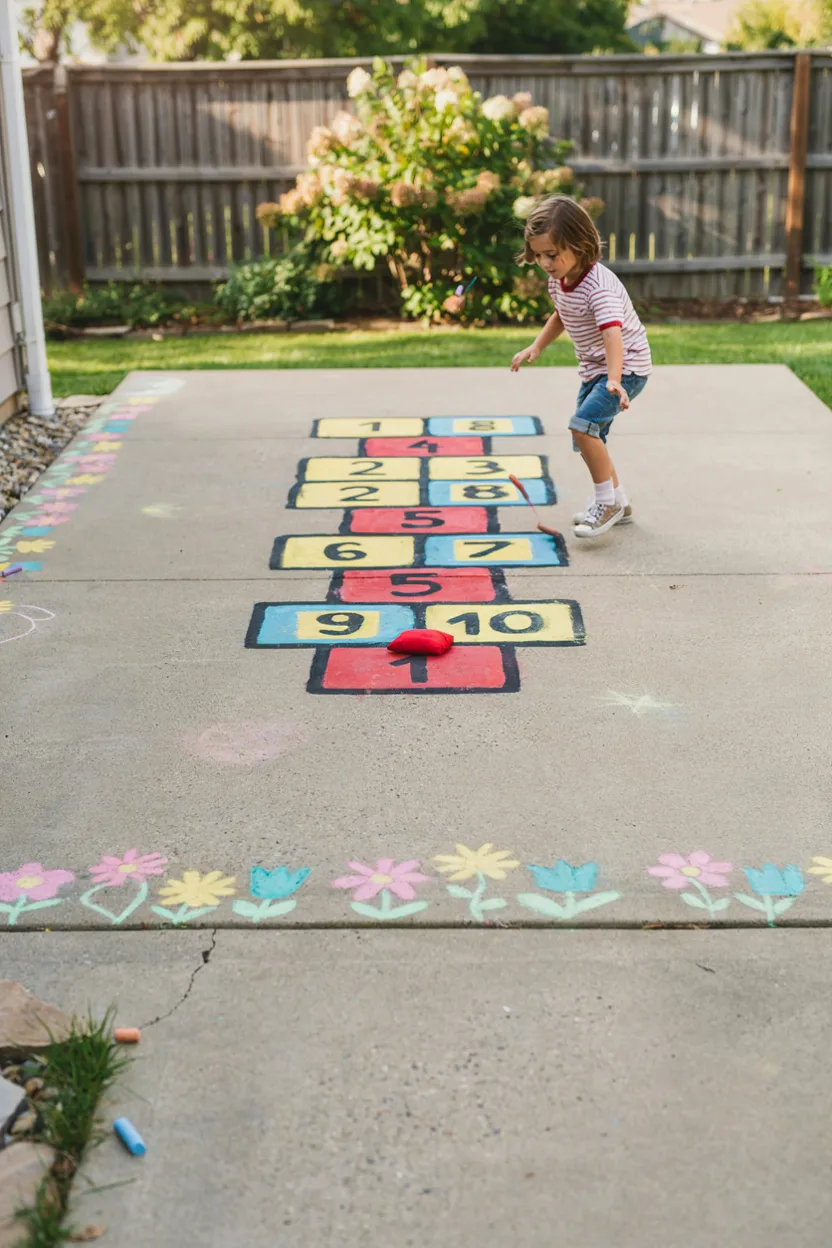
Painting a permanent hopscotch grid onto a patio or driveway is one of the most enduring kids outdoor play area ideas, requiring almost no maintenance once completed. Using outdoor-rated paint in bright, cheerful colors ensures the game stays vibrant through sun and rain for years. Because hopscotch requires no special equipment beyond a small marker like a beanbag or stone, kids can start playing spontaneously any time they step outside.
This classic game supports balance, counting skills, and turn-taking when played with friends or siblings, making it both physically and socially beneficial. A permanent hopscotch grid also serves as a welcoming visual element that signals the space is designed for kids, inviting play even on days when nothing else is planned. Many families find that painting a few different game grids, like hopscotch alongside a simple maze, keeps the patio area consistently in daily use.
15. Fairy Garden Playhouse
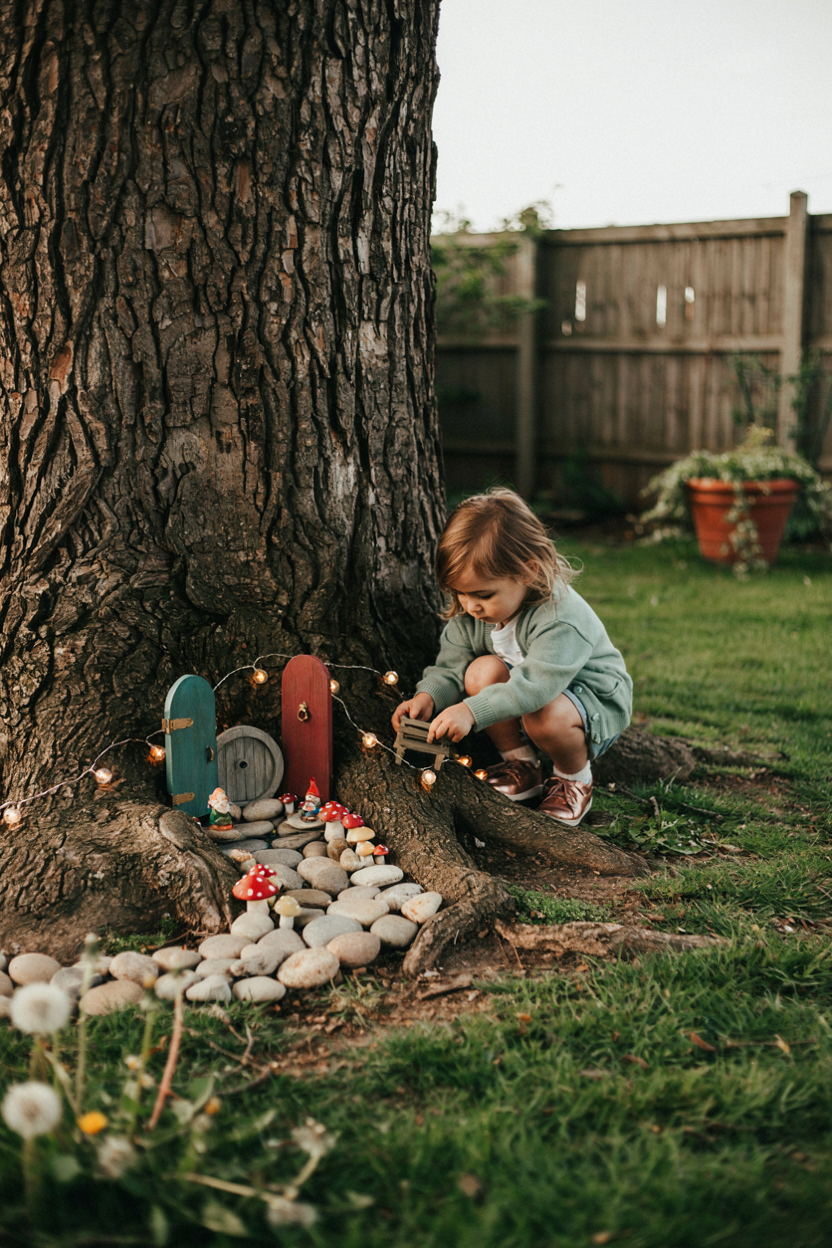
Fairy gardens offer a quieter, more imaginative addition to kids outdoor play area ideas, perfect for children who enjoy detailed, small-world play. Using natural materials like moss, pebbles, twigs, and tiny doors attached to a tree trunk, families can build an entire miniature world that invites storytelling and gentle creativity. Because the garden can be expanded gradually, kids often enjoy adding new elements over time, like a pebble path or a mushroom house.
This type of play area works particularly well for calmer moments, giving kids a peaceful outdoor activity that doesn’t require running or jumping. Many children enjoy caring for the fairy garden daily, watering nearby plants, rearranging figurines, or inventing stories about the fairies who “live” there. Because it’s low-impact and doesn’t take up much space, a fairy garden fits easily into a shaded corner of nearly any backyard.
16. Bike and Scooter Track
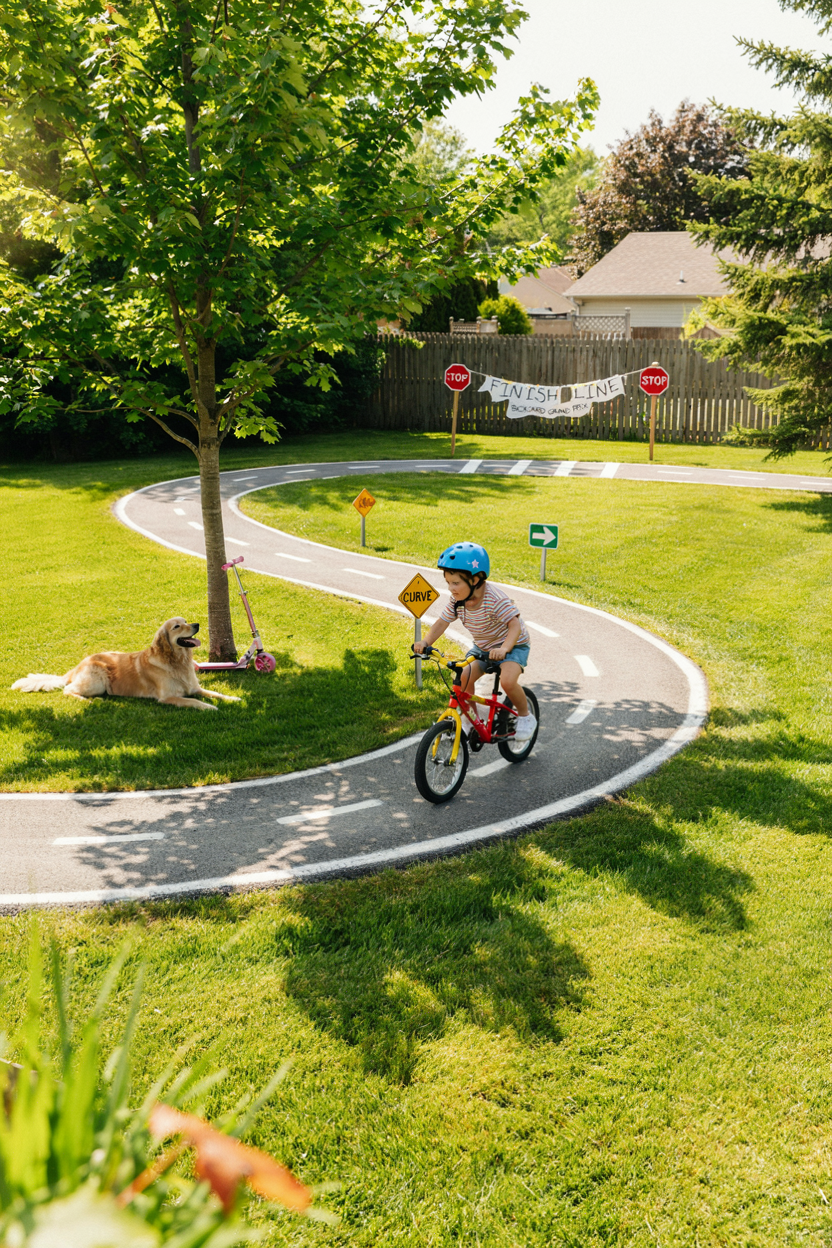
Creating a dedicated bike and scooter track is one of the most active kids outdoor play area ideas for families with paved space to spare. A simple looped path, even a short one, gives kids a safe, contained area to practice riding without needing to venture onto sidewalks or streets. Adding painted lane lines, small stop signs, or chalk-drawn intersections turns basic riding practice into an engaging pretend-driving experience.
This kind of track supports balance, coordination, and confidence as kids build their riding skills over time. Because the space is enclosed within the yard, parents can supervise easily while kids enjoy independent movement and speed. Many families find that a bike track gets used daily, rain or shine, since it requires no setup beyond simply grabbing a bike or scooter and heading outside for a few laps around the loop.
17. Bird Watching Station
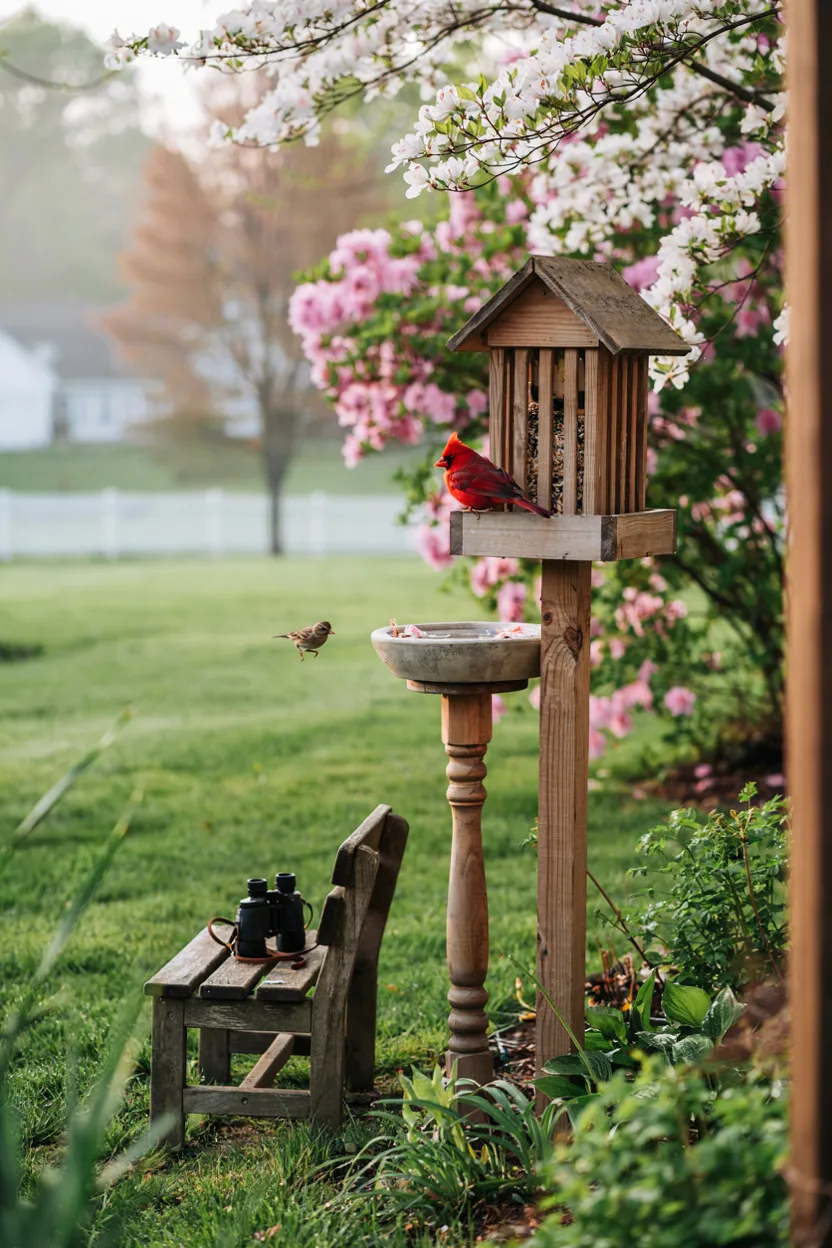
Setting up a bird watching station introduces a calm, educational element among kids outdoor play area ideas, encouraging patience and observation skills. Placing a feeder and birdbath within view of a small bench gives kids a comfortable spot to sit quietly and watch which birds visit throughout the day. Providing a simple field guide or a laminated chart of common local birds helps children identify what they’re seeing and turns casual watching into genuine learning.
This activity works particularly well as a slower-paced complement to more active play areas, giving kids a chance to unwind outdoors. Refilling the feeder together becomes a simple daily ritual that teaches responsibility and care for wildlife. Over time, many children develop a genuine curiosity about the different species that visit, often keeping informal logs or asking to look up birds they don’t recognize, extending the learning well beyond the yard itself.
18. Bubble Play Zone
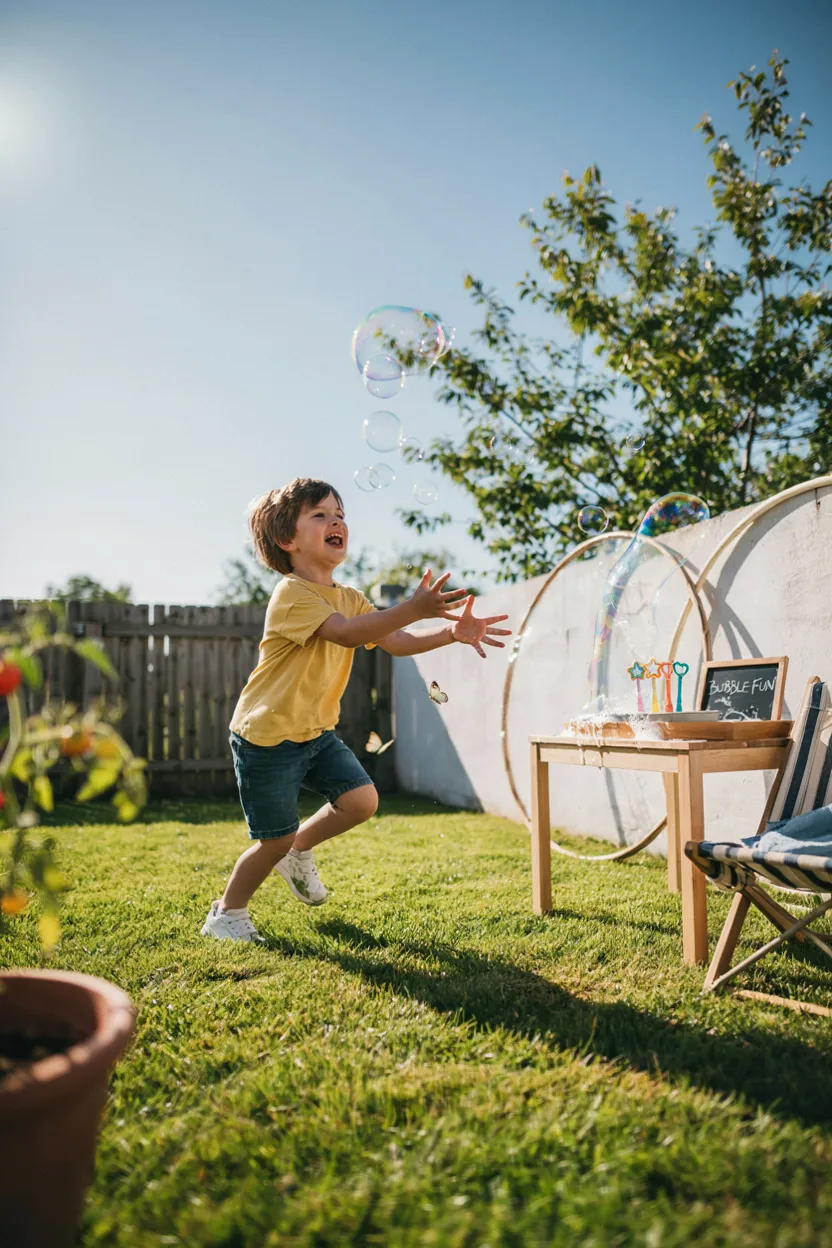
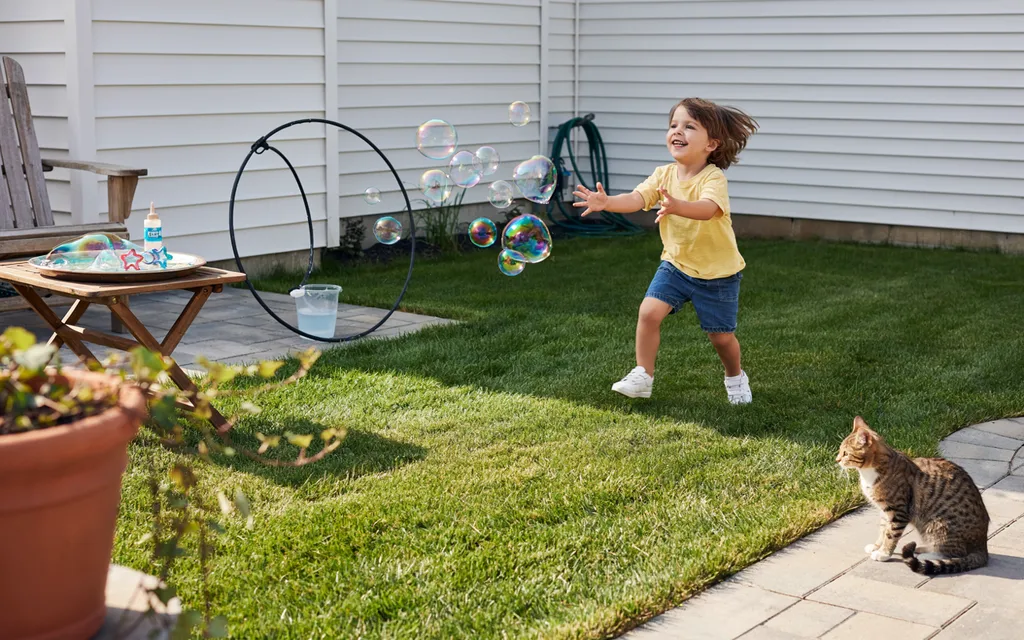
A dedicated bubble station is one of the simplest kids outdoor play area ideas to set up, yet it consistently ranks among the most requested activities for younger children. Keeping a tray of bubble solution alongside a variety of wands, from tiny loops to giant hoops, allows kids to experiment with different bubble sizes and shapes. Because the setup requires minimal supervision, it’s an easy activity for parents to start and let kids run with independently.
Chasing, popping, and blowing bubbles supports coordination and breath control while offering pure, uncomplicated fun that rarely gets old. Making a batch of homemade bubble solution with dish soap and water keeps this activity budget-friendly and easy to refill whenever supplies run low. Many families keep a bubble station stocked all season long, finding that even short bursts of bubble play throughout the day help kids transition happily between other outdoor activities.
19. Outdoor Art Easel Station
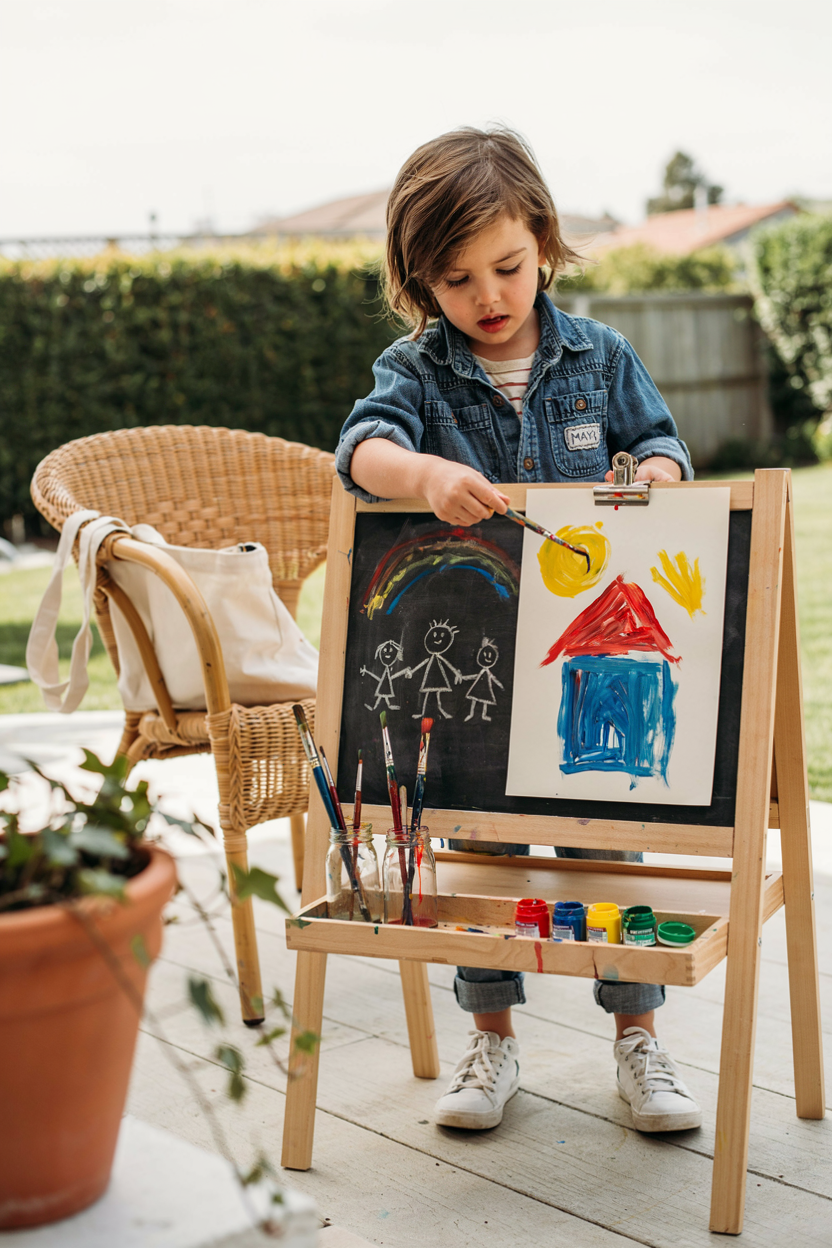
An outdoor art easel gives kids a dedicated space for creative expression, making it a favorite among kids outdoor play area ideas for artistic children. Setting up a weatherproof easel with paper, paint, and chalk allows for messy creativity without worrying about spills indoors. Positioning the easel in a shaded spot protects both the artwork and the artist from harsh sun, extending painting sessions comfortably throughout the day.
Because outdoor art doesn’t require the same level of cleanup vigilance as indoor painting, kids often feel freer to experiment with bold colors and big movements. Rotating supplies between chalk, watercolors, and washable paints keeps the station interesting across different moods and weather conditions. Many parents find that having art supplies always accessible outside encourages kids to create daily, turning what might be an occasional activity indoors into a regular, low-pressure creative outlet.
20. Camping Corner Tent
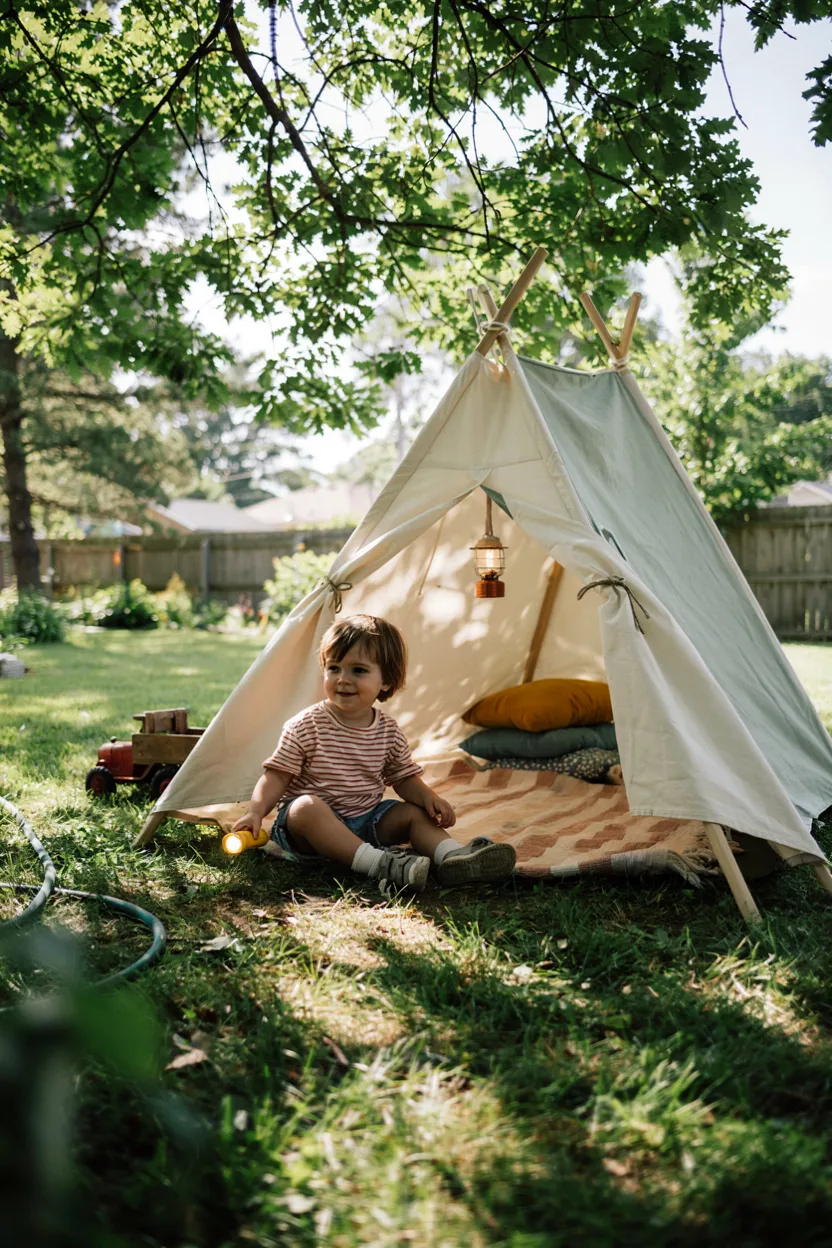
A permanent play tent set up in a shaded corner of the yard offers a cozy retreat, making it one of the more relaxing kids outdoor play area ideas for imaginative play. Furnishing the tent with cushions, a soft rug, and a battery-powered lantern creates an inviting space for pretend camping trips, storytelling, or simply reading in a den-like setting. Because it’s low to the ground and enclosed, kids often treat it as their own private hideout.
This type of space supports independent, unstructured play, giving kids a place to retreat to when they want quiet time away from the rest of the yard. Many children enjoy inviting friends or siblings for pretend campouts, complete with flashlights and snacks. Leaving the tent set up permanently, rather than packing it away after each use, ensures it remains a daily option rather than an occasional special-occasion treat.
21. Vegetable Garden for Kids
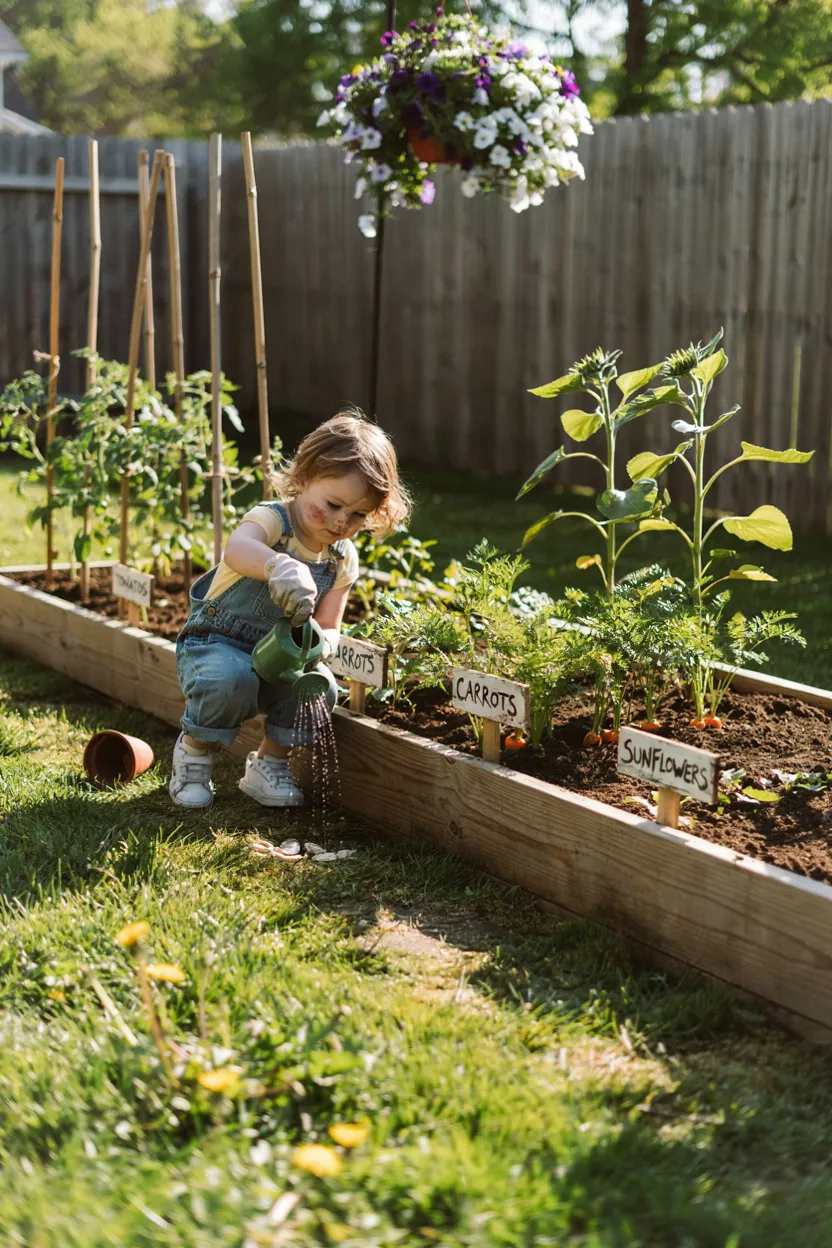
A child-sized vegetable garden turns outdoor play into a hands-on learning experience, making it one of the most rewarding kids outdoor play area ideas for families interested in nature-based activities. Building a raised bed at a height kids can easily reach allows them to plant, water, and harvest independently. Choosing fast-growing, kid-friendly crops like cherry tomatoes, radishes, and sunflowers keeps kids engaged since they see results relatively quickly.
Caring for a garden daily teaches responsibility, patience, and basic science concepts in a way that feels like play rather than a chore. Many kids develop genuine pride in watching something they planted grow and eventually end up on the dinner table. Adding a small set of child-sized gardening tools and a watering can encourages independence, while colorful plant markers help kids track what’s growing in each section of their personal garden space.
22. Slide and Climbing Structure
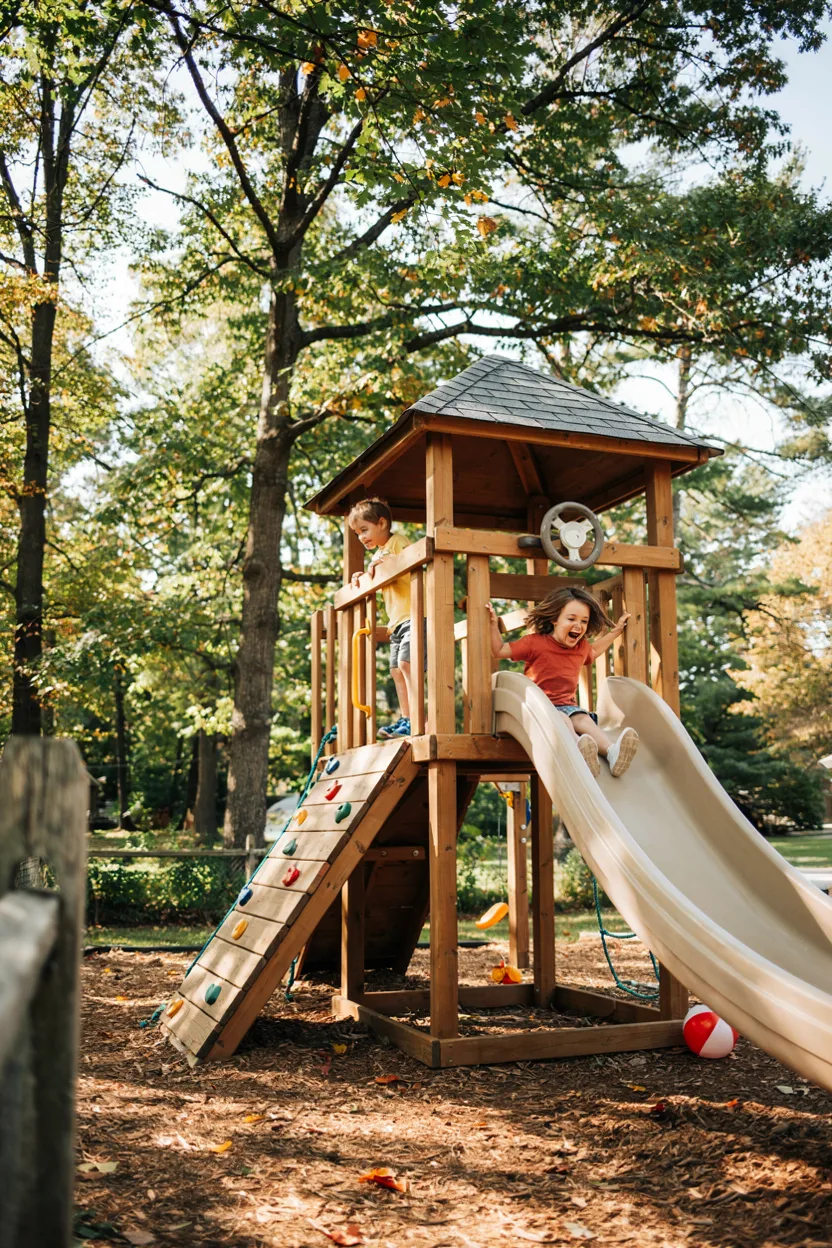
A combination slide and climbing structure remains one of the most requested kids outdoor play area ideas because it offers variety within a single footprint. Combining a slide, a small climbing wall, and a covered platform gives kids multiple ways to play without needing separate pieces of equipment scattered across the yard. This all-in-one approach works especially well for smaller yards where space for multiple standalone structures simply isn’t available.
Beyond physical benefits like strength and coordination, a multi-feature structure often becomes the centerpiece for imaginative games, transforming into a pirate ship, castle, or fort depending on the day. Adding accessories like a steering wheel, periscope, or chalkboard panel extends the pretend play possibilities even further. Because it offers so many ways to engage, this type of structure tends to see daily use across a wide range of ages, from toddlers to older elementary kids.
23. Backyard Stage for Performances
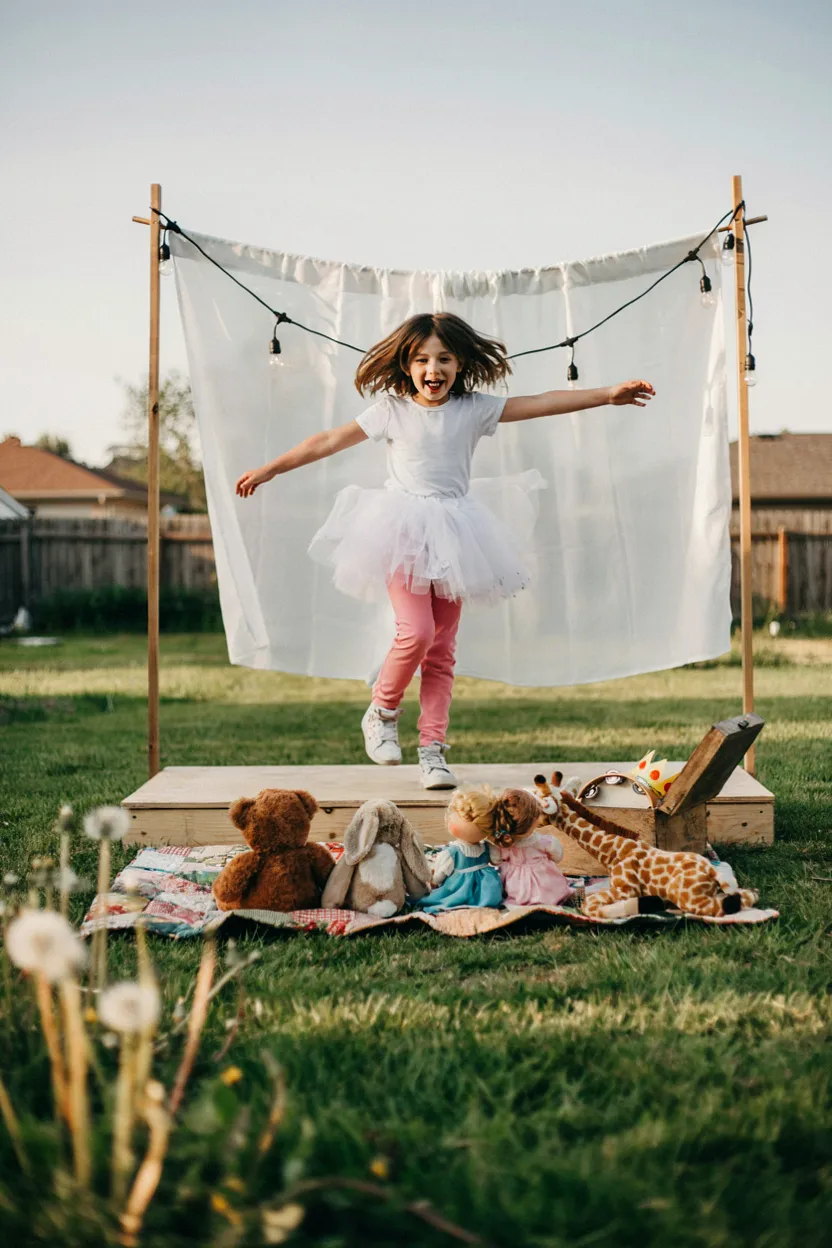
Building a simple raised stage gives kids a dedicated space for performances, rounding out this list of kids outdoor play area ideas with a spot for confidence-building creative expression. Even a low wooden platform, just a few inches off the ground, feels special enough to inspire dance recitals, plays, and concerts. Framing the stage with string lights and a basic curtain adds a festive touch that makes performances feel like genuine events.
This kind of space encourages kids to plan, rehearse, and present their ideas, building confidence and public speaking skills in a low-pressure setting. Many families find their kids use the stage daily for everything from spontaneous dance parties to elaborate backyard talent shows involving siblings and friends. Because the stage requires no special equipment to use, it remains one of the most consistently popular spots in the entire yard, season after season.
Conclusion
The backyard play areas kids stick with long-term aren’t the flashiest ones, they’re the ones that invite imagination and movement in equal measure. Whether you choose a mud kitchen, a climbing wall, or a quiet fairy garden, the goal is the same: give kids a reason to head outside without being told. Pick a few ideas from this list, set them up this weekend, and watch how quickly they become part of your family’s daily rhythm.

Join The Discussion