
Introduction
If you are planning to invest, buy, or sell property this year, it’s crucial to understand the real estate market trends you need to know in 2026. From rising property prices to emerging investment hotspots, these trends will shape the market and help you make smarter decisions in 2026.
Technology Is Transforming Real Estate
The digital revolution in real estate isn’t just about online listings anymore. Today, virtual tours let you explore homes from your couch, while artificial intelligence helps predict property values and identify neighborhoods that match your lifestyle. Smart home technology has also become a key factor. Buyers now expect energy-efficient appliances, integrated security systems, and smart thermostats that reduce utility costs.



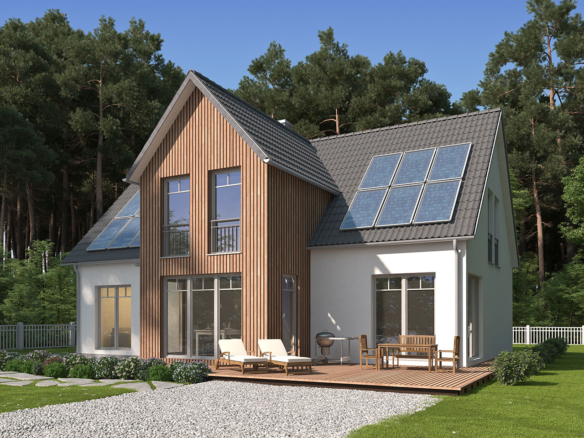
Sustainability is increasingly tied to technology. Homes with solar panels, energy-efficient insulation, or smart water systems are attracting more buyers. Local governments are even offering incentives for green upgrades, making environmentally conscious properties not just trendy but financially smart.
Demographic Shifts Are Shaping Demand
Millennials and Gen Z now dominate the homebuying market. These buyers prioritize flexibility, walkable neighborhoods, and proximity to work or cultural amenities. Suburban homes with good schools and green spaces are also highly desirable. Meanwhile, baby boomers are redefining retirement living. Many are downsizing or moving to communities designed for accessibility and convenience.
These shifts are influencing what types of homes are in demand and which regions are experiencing the fastest growth. For investors and developers, understanding these generational preferences can reveal opportunities that others might miss.
Economic Factors Remain Crucial
Interest rates and housing affordability continue to shape the market. While rates have stabilized compared to previous years, rising home prices still create challenges for first-time buyers. At the same time, rental markets are experiencing higher demand, which is driving better rental yields for property investors.
Commercial real estate is also adapting. Hybrid work models are reducing the need for traditional office space, while retail properties are evolving to support e-commerce trends. In some areas, malls are being converted into coworking spaces or community hubs, reflecting how economic conditions and lifestyle changes intersect with real estate.
Sustainability Is No Longer Optional
Environmental concerns are influencing property choices more than ever. Buyers are seeking homes with energy-efficient designs, renewable energy options, and eco-friendly construction materials. Developers are also responding, creating neighborhoods with green spaces, sustainable infrastructure, and efficient public transportation.
These trends aren’t just ethical—they make financial sense. Sustainable homes can save money on energy bills, increase long-term property value, and qualify for government incentives. In 2026, ignoring sustainability could mean missing out on a significant segment of the market.
Geographic and Regional Trends
Location remains one of the most important factors in real estate. Urban centers are still popular for job opportunities and lifestyle amenities, but there’s a noticeable migration toward suburban and smaller city markets. People are seeking more space, affordability, and better quality of life.
Certain regions are emerging as hot spots because of new infrastructure, economic growth, and lifestyle appeal. Tracking these shifts can help buyers find their ideal home, and investors identify regions with high appreciation potential.
Conclusion
In 2026, the real estate market is evolving faster than ever, driven by technology, shifting demographics, economic factors, sustainability, and regional trends. Buyers are embracing smart homes and eco-friendly features, while generational shifts are redefining what types of properties are in demand. Interest rates and housing affordability continue to shape decisions, and rental and commercial markets are adapting to new work and lifestyle patterns. Understanding these trends gives you the insight to navigate the market with confidence, whether you are buying, selling, or investing. Staying informed and proactive is key—those who anticipate change and act strategically will not only succeed in today’s dynamic market but also position themselves to thrive in the years to come.



Join The Discussion