
Introduction
Rock landscaping can instantly elevate a yard, but too many outdoor spaces end up looking harsh, overcrowded, or unfinished because the rocks are styled without intention. The best rock landscaping ideas balance texture, scale, and natural flow while complementing the surrounding plants and architecture. Whether you love modern minimalism, rustic gardens, or desert-inspired yards, using stone correctly makes a huge difference. These 23 rock landscaping ideas will help you avoid common mistakes and create an outdoor space that feels polished, layered, and beautifully designed.
H2: Stop Using Tiny Gravel Everywhere
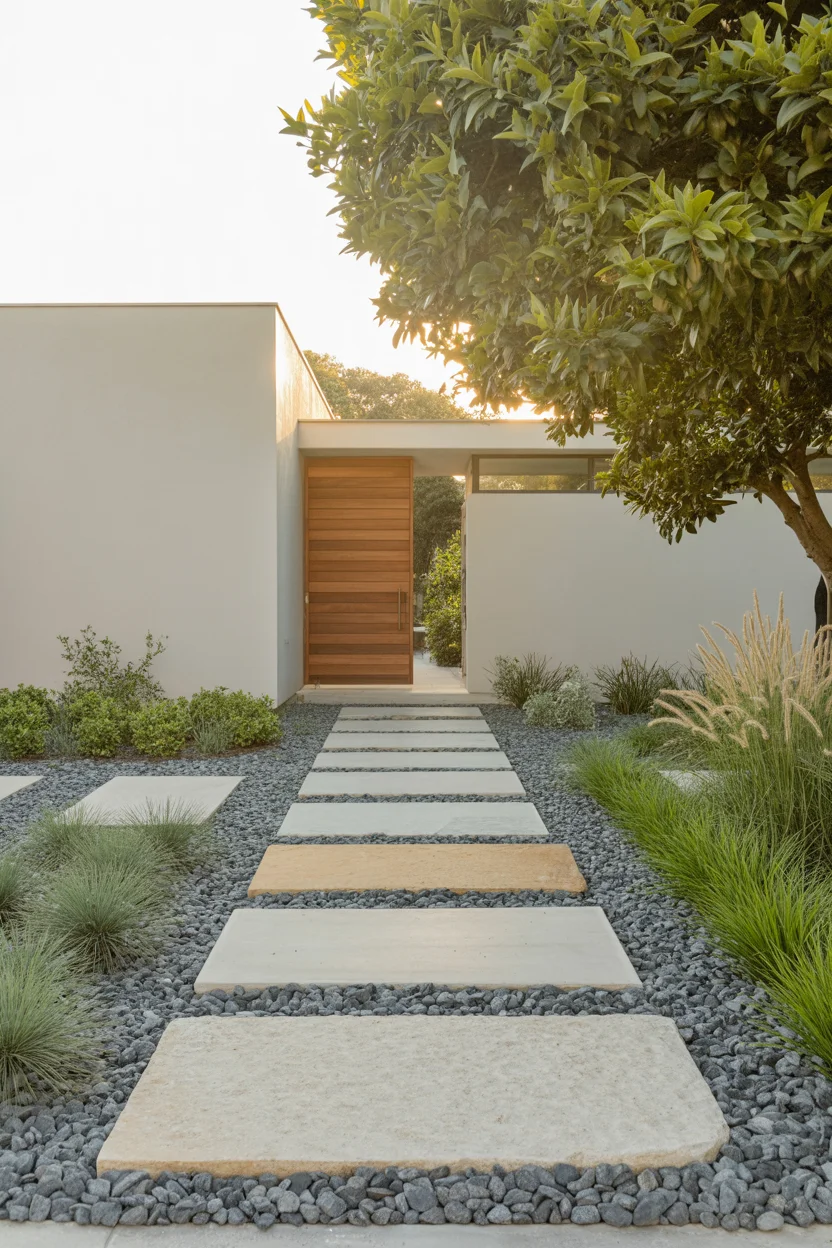
One of the biggest mistakes in rock landscaping ideas is covering entire yards with tiny gravel. While gravel is affordable and low maintenance, too much of it creates a flat, lifeless appearance that feels more like a parking lot than a thoughtfully designed landscape. Small gravel also scatters easily, shifts underfoot, and often lacks the visual weight needed to anchor a garden design properly. Instead, use gravel strategically in pathways, borders, or drainage areas where it serves both functional and decorative purposes.
Balancing gravel with larger stones, greenery, and layered textures creates a more natural and inviting landscape. Incorporate stepping stones, planting beds, or boulders to break up large gravel surfaces and add visual rhythm. Soft plants like lavender, fountain grass, or creeping thyme also prevent the yard from feeling overly hard or sterile. The key is contrast—rock landscaping should support the garden, not completely overpower it with endless loose stone coverage.
H2: Use Large Boulders as Anchors
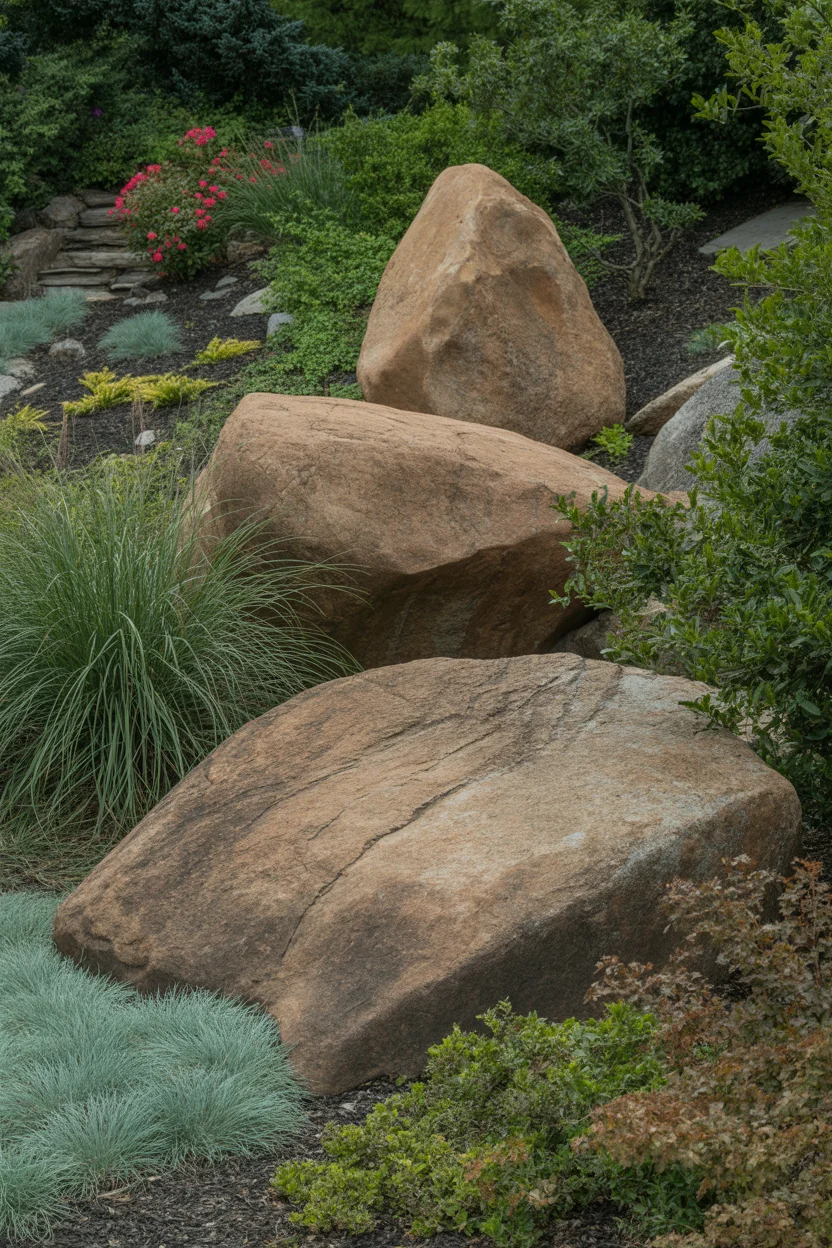
Many homeowners use small decorative rocks without incorporating larger anchor stones, which weakens the overall composition of rock landscaping ideas. Large boulders create structure, permanence, and focal points that help landscapes feel grounded and professionally designed. Without visual anchors, smaller stones can appear scattered and random instead of intentional. Even one carefully placed boulder can dramatically improve the balance of an outdoor space by adding scale and natural presence.
The secret is making boulders look naturally placed rather than dropped into the yard artificially. Partially bury the base into the soil so the stone feels integrated into the landscape. Position boulders near curves in pathways, beside plant groupings, or on slopes where they mimic natural rock formations. Pair them with softer textures like ornamental grasses or flowering perennials to create contrast between rugged stone and organic movement. This layering creates a landscape that feels both structured and effortless.
View morehttps://dreamgardenspk.com/blog/
H2: Create Curved Rock Borders Instead of Straight Lines
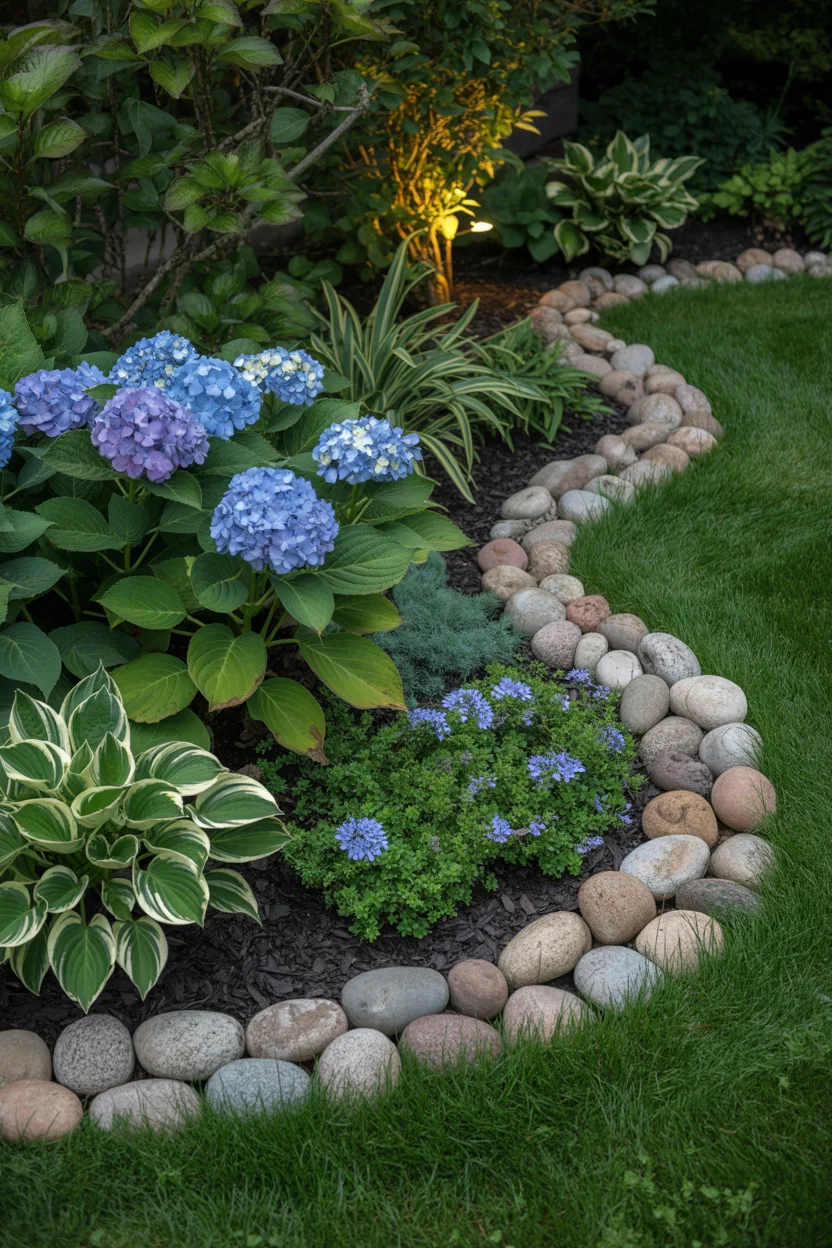
Rigid, perfectly straight rock borders often make landscapes feel harsh and unnatural. One of the most effective rock landscaping ideas is using gentle curves that guide the eye naturally through the yard. Curved borders soften the appearance of stone while helping planting beds blend more seamlessly into lawns and pathways. Straight lines can sometimes work in ultra-modern spaces, but in most residential gardens, curved edges create a more welcoming and balanced look.
Natural curves also make smaller spaces feel larger by encouraging visual movement instead of abruptly dividing sections of the yard. Use river rocks, flagstones, or irregular edging stones to maintain an organic appearance. Varying the size of the rocks slightly prevents the border from looking too uniform or manufactured. Pair curved stone borders with layered plant heights to enhance the natural flow and keep the landscaping visually dynamic from every angle.
H2: Layer Different Rock Sizes Together
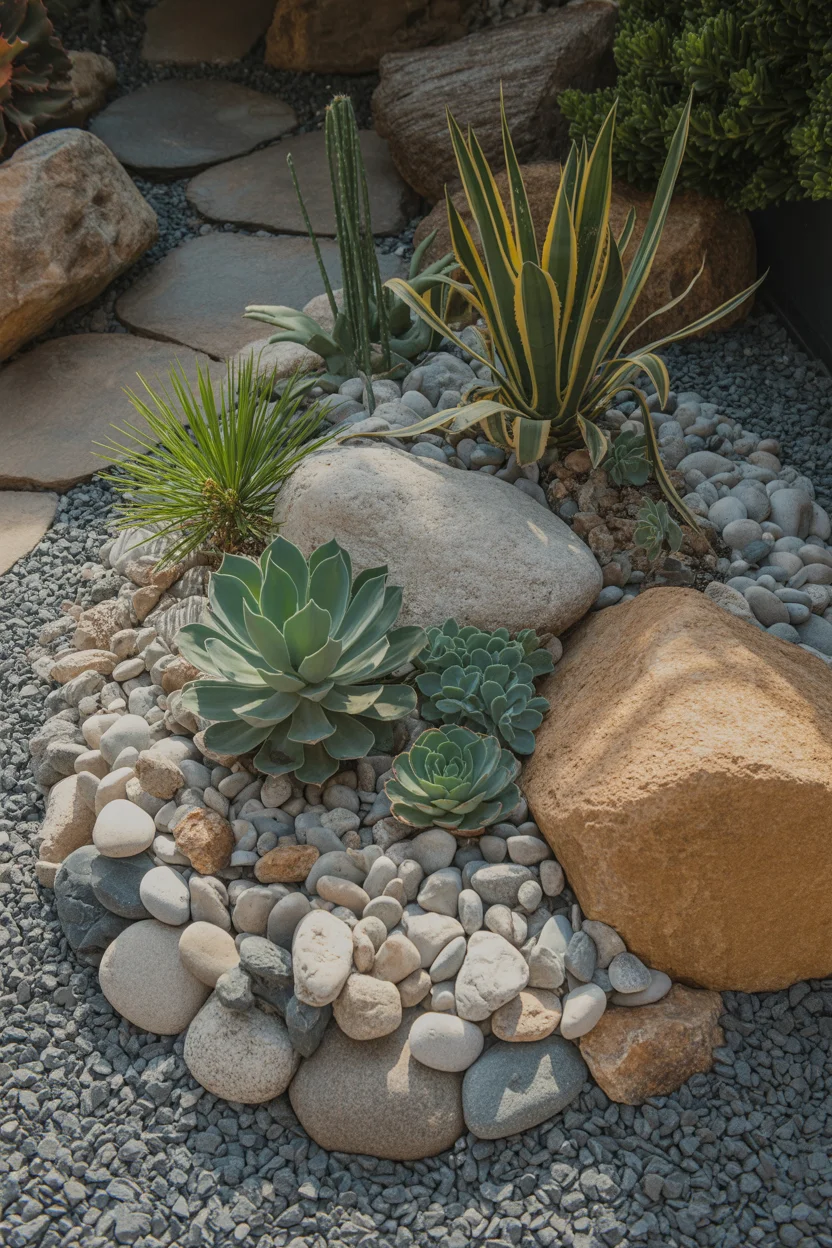
Using only one rock size throughout a landscape is a common mistake that makes outdoor spaces look flat and repetitive. Successful rock landscaping ideas rely on layering different stone sizes to create depth and realism. Nature rarely produces perfectly uniform landscapes, so mixing large boulders with medium stones and finer gravel instantly creates a more authentic and visually interesting design. Each rock size serves a different purpose while contributing to the overall texture.
Large stones act as focal points, medium rocks help transition between elements, and smaller gravel fills gaps while improving drainage. This layered approach also prevents landscapes from feeling overly polished or artificial. Use repetition carefully so the space still feels cohesive rather than chaotic. Choosing stones within a similar color family helps unify the design while allowing texture and scale variation to create visual movement throughout the landscape.
H2: Add Plants Between Rocks for Softness
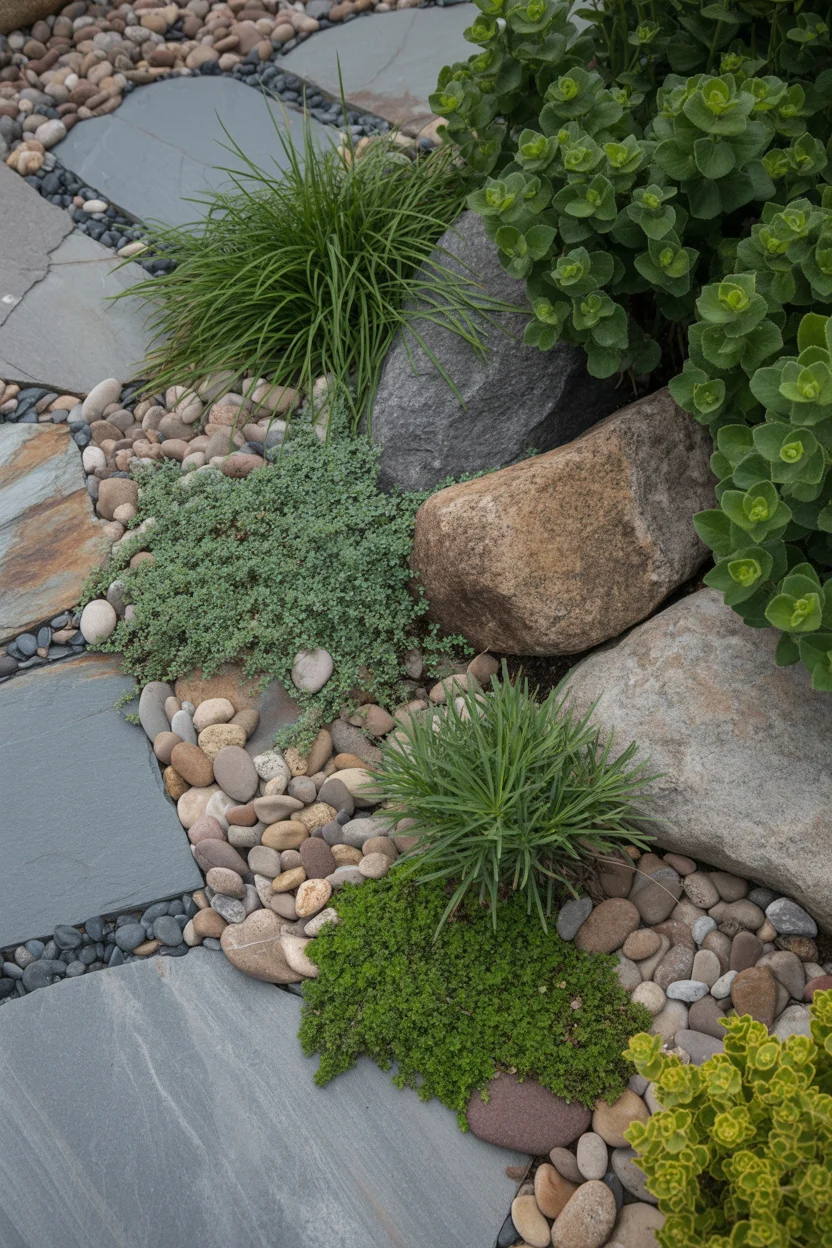
One of the biggest problems with rock-heavy yards is that they often feel cold or unfinished without enough greenery. Great rock landscaping ideas always include plants that soften the hardscape and create contrast against rough stone textures. Plants growing between rocks make the landscape feel alive and naturally established rather than overly staged. Groundcovers and low-growing perennials work especially well because they fill empty gaps without overwhelming the stonework.
Choose drought-tolerant plants that thrive in rocky conditions, such as sedum, creeping thyme, blue fescue, or hens-and-chicks. These plants add texture, seasonal color, and movement while helping rocks feel integrated into the environment. The contrast between hard stone and soft foliage is what gives rock landscaping its signature layered appearance. Without greenery, even expensive stone installations can look harsh and disconnected from the rest of the yard.
H2: Avoid Overcrowding Your Rock Garden
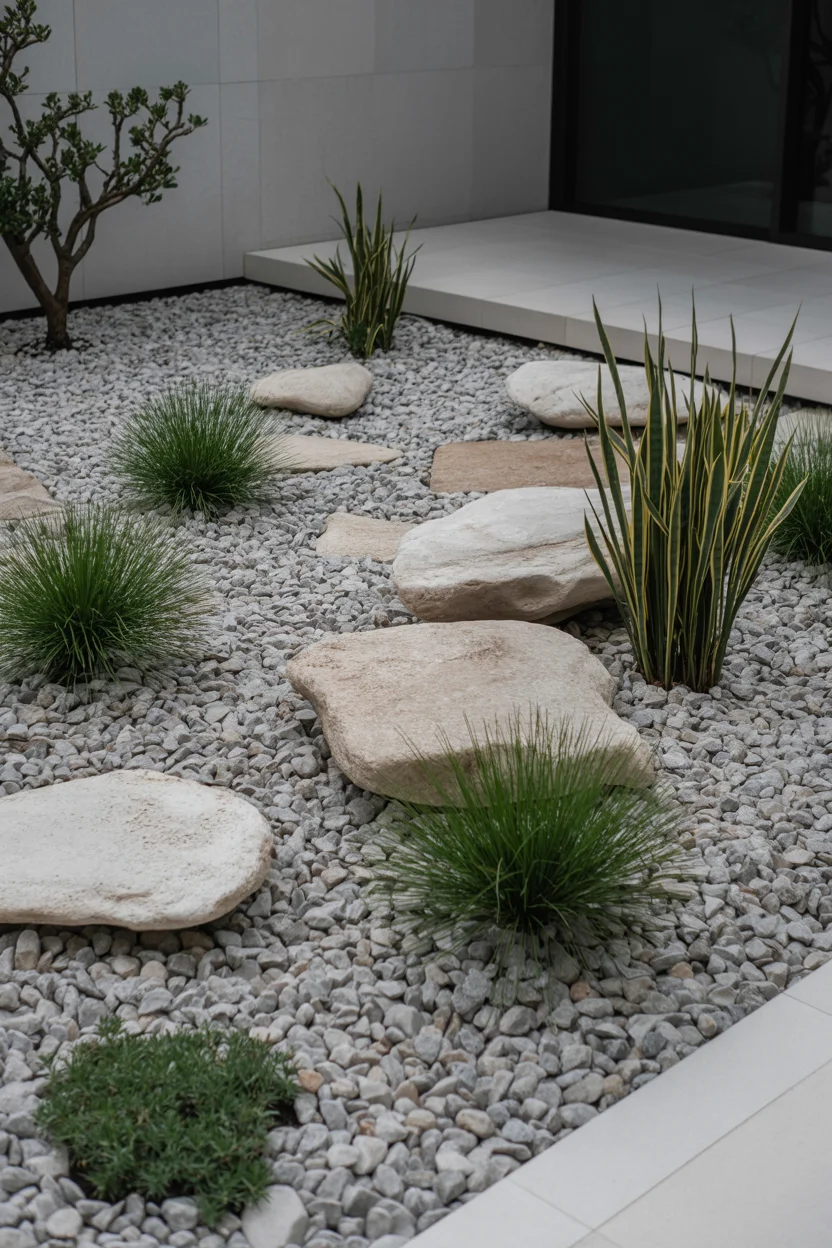
Many people assume more rocks automatically create a better landscape, but overcrowding is one of the most common mistakes in rock landscaping ideas. Too many stones packed together create visual clutter that overwhelms both the yard and the eye. Rocks need breathing room to feel intentional and sculptural. Negative space is just as important outdoors as it is in interior design because it allows each landscaping element to stand out properly.
Instead of filling every inch with stone, leave open areas of gravel, mulch, or lawn between focal points. Minimal spacing creates a cleaner and more modern appearance while reducing visual chaos. This approach also highlights the natural beauty of each rock rather than blending everything into one overwhelming texture. Landscapes with restraint often feel more luxurious because the design looks curated instead of overdecorated or accidental.
Explore morehttp://pinterest.com/Dreamgardenshome/
H2: Use Flat Stepping Stones for Natural Pathways
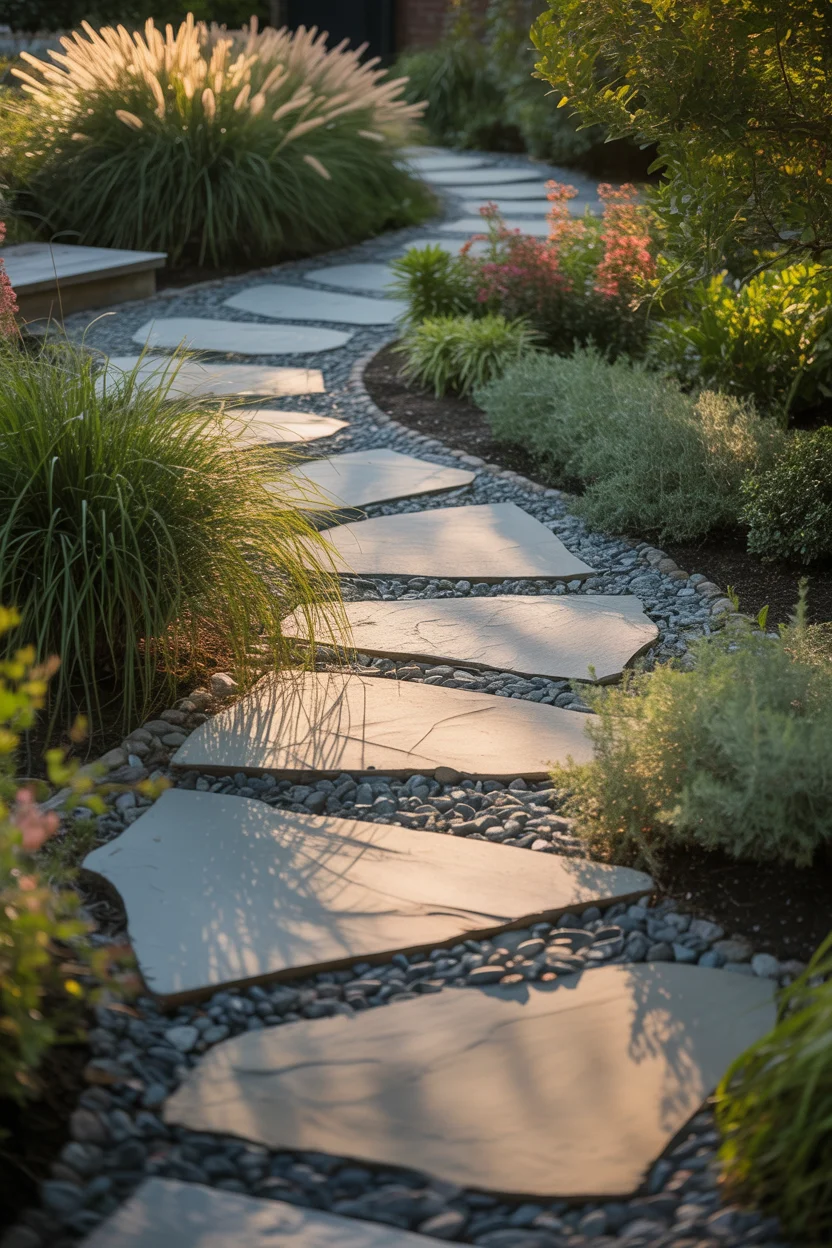
Flat stepping stones create pathways that feel natural and visually integrated into the landscape. One of the smartest rock landscaping ideas is replacing narrow concrete walkways with wider irregular stones that encourage slower movement through the garden. Stepping stone paths feel softer and more organic while allowing surrounding plants and textures to remain part of the experience rather than being separated by harsh pavement.
Spacing matters when installing stepping stones. Stones placed too far apart feel awkward, while tightly packed stones lose their relaxed garden feel. Fill gaps with gravel, moss, or creeping groundcovers to soften transitions and reduce weed growth. Choosing irregular stone shapes rather than perfectly cut squares helps the pathway blend into natural surroundings. These pathways work especially well in cottage gardens, desert landscapes, and modern organic outdoor designs.
H2: Mix Rock Colors Carefully
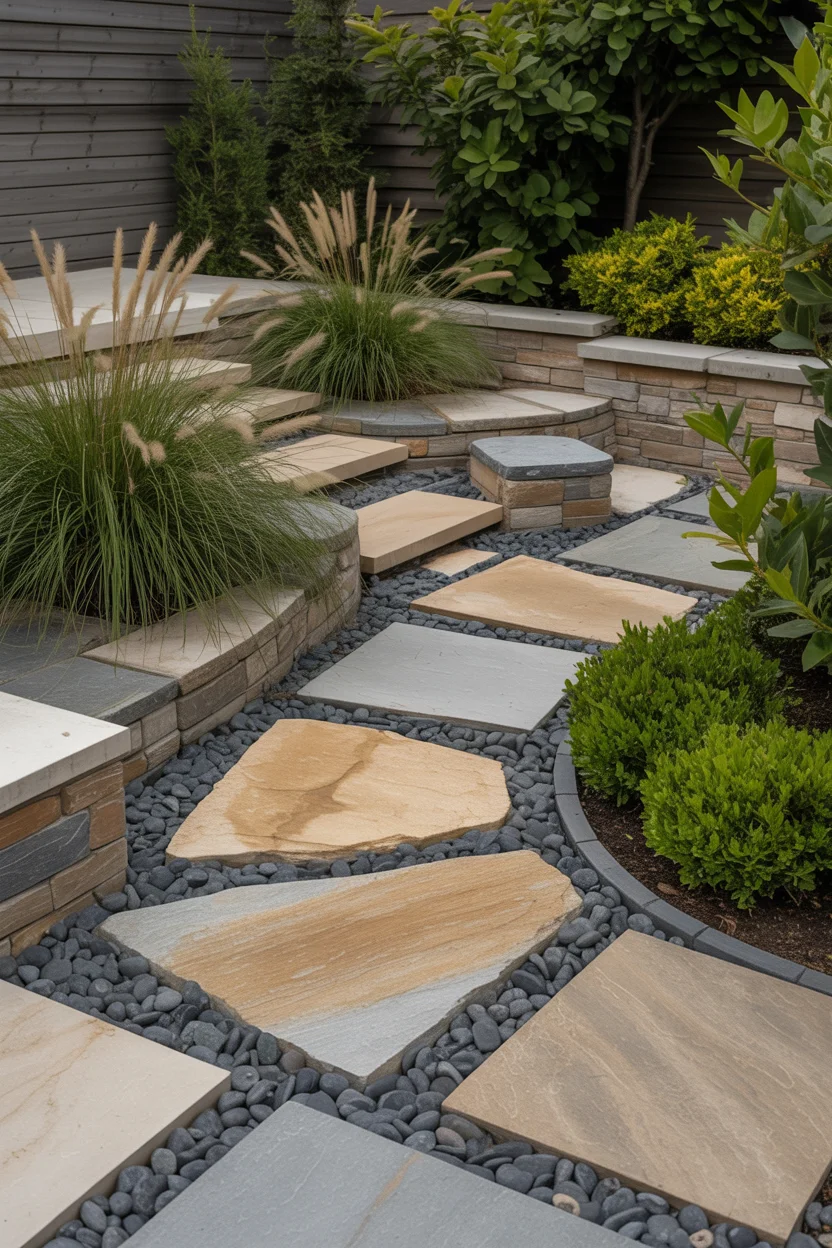
Using too many rock colors is one of the fastest ways to make a yard feel chaotic. Strong rock landscaping ideas rely on cohesive color palettes that complement both the house exterior and surrounding plants. Mixing random red, white, black, and tan stones often creates a disconnected appearance that lacks intentional design. Instead, choose two or three complementary stone shades that repeat throughout the landscape for consistency.
Natural-looking color variation is still important because completely identical stones can appear artificial. Look for rocks with blended undertones that echo your home’s materials or regional landscape. Warm beige and brown stones pair beautifully with Mediterranean or desert gardens, while gray and charcoal work better in modern landscapes. Consistency in color allows texture and shape to become the focus without overwhelming the eye with competing tones.
H2: Frame Water Features With Natural Stone
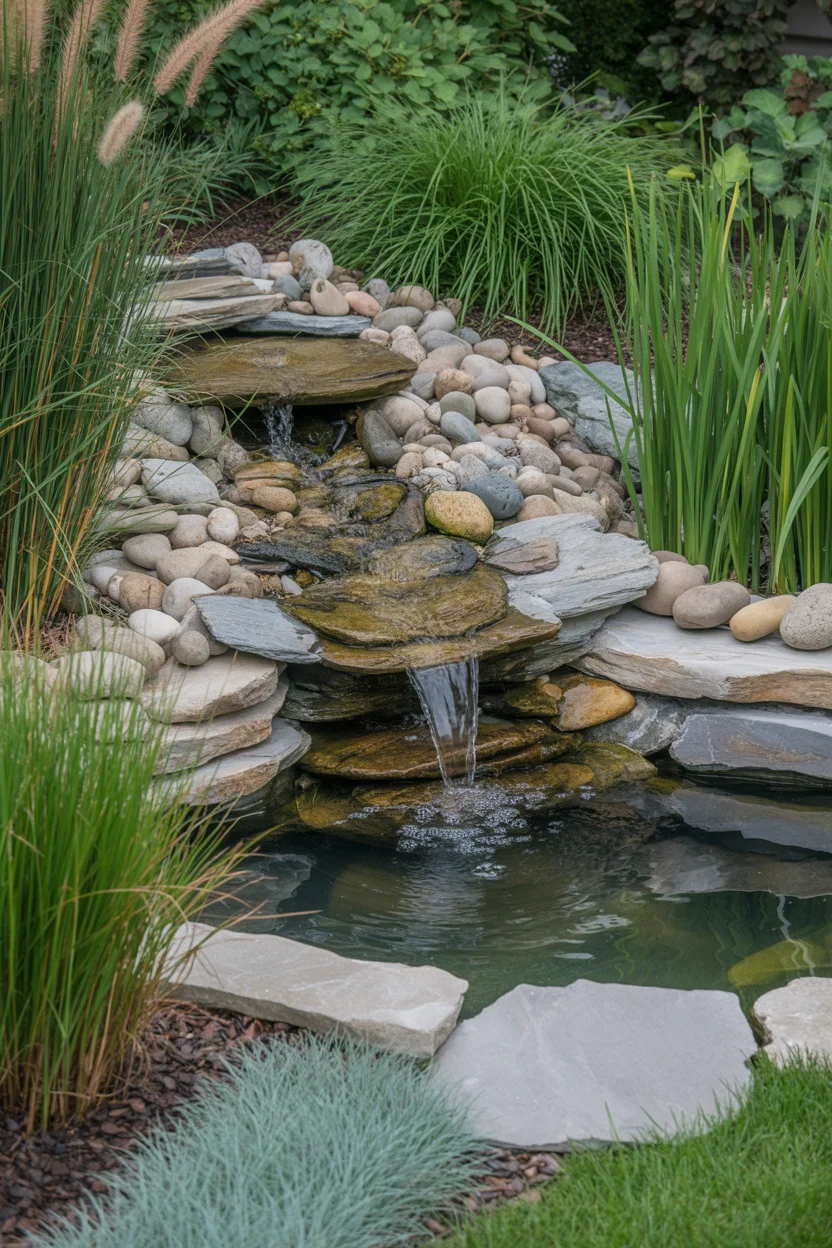
Water features surrounded by artificial edging often feel disconnected from the landscape. One of the most effective rock landscaping ideas is framing ponds, fountains, or waterfalls with natural stone to create a more realistic appearance. Rocks soften the edges of water features while helping them blend into surrounding planting beds and terrain. Without stone, many water features look too manufactured or unfinished.
Use a combination of large anchor stones and smaller river rocks to mimic the appearance of naturally occurring water edges. Allow some plants to spill slightly over the rocks to soften transitions further. Varying stone sizes and shapes prevents the design from looking overly symmetrical or staged. The combination of water movement, rugged stone, and layered greenery creates a peaceful focal point that enhances nearly any garden style.
H2: Build Elevated Rock Beds on Slopes
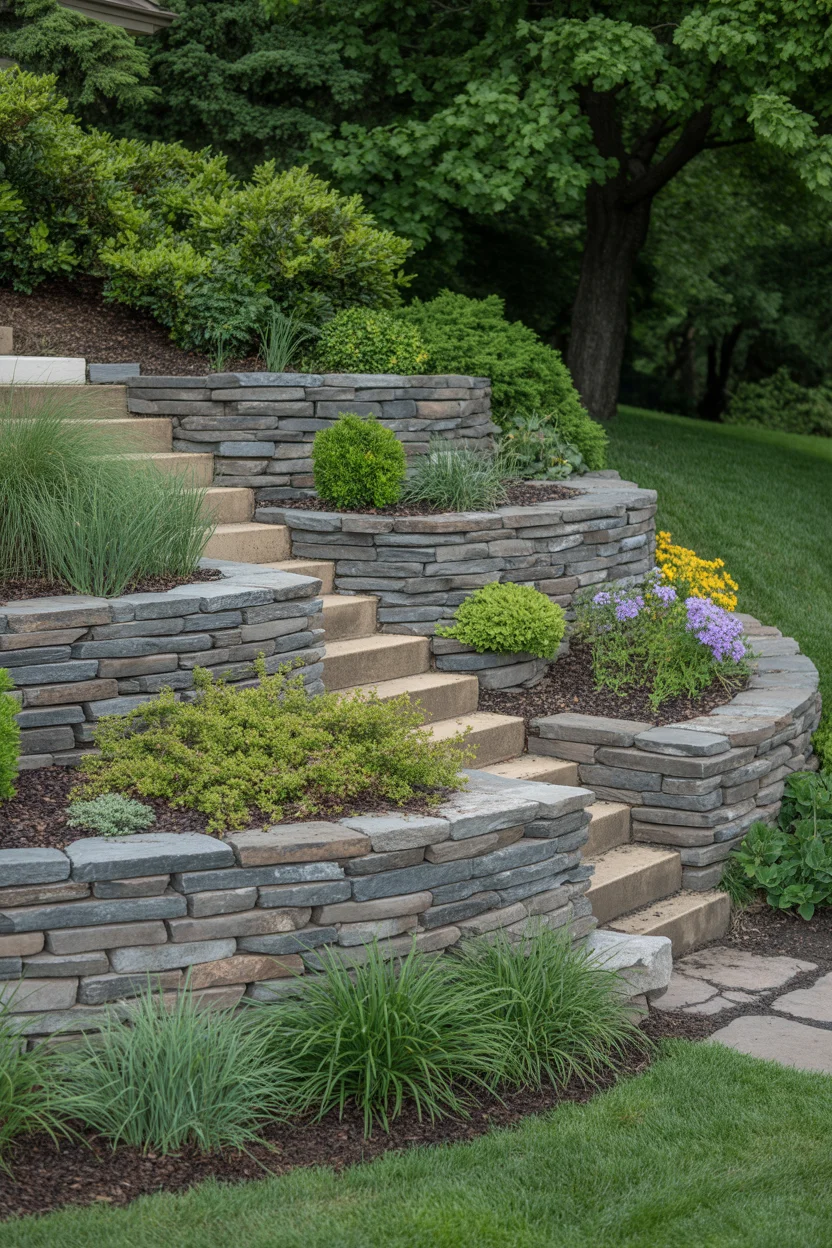
Sloped yards often become landscaping challenges, but terraced rock beds can transform difficult terrain into beautiful focal points. One of the smartest rock landscaping ideas for uneven ground is using stone retaining walls to create layered planting areas. Terracing adds structure while preventing erosion and making steep areas easier to maintain. Flat planting zones also create opportunities for varied textures and layered garden design.
Natural stone retaining walls look far more organic than plain concrete barriers because they blend into the landscape rather than dominating it. Pair terraces with cascading plants that spill slightly over the rock edges to soften the structure visually. Combining shrubs, ornamental grasses, and flowering perennials across different levels creates movement and depth. Terraced rock beds also improve drainage while turning awkward slopes into some of the most visually interesting parts of the yard.
H2: Pair Rocks With Desert Landscaping
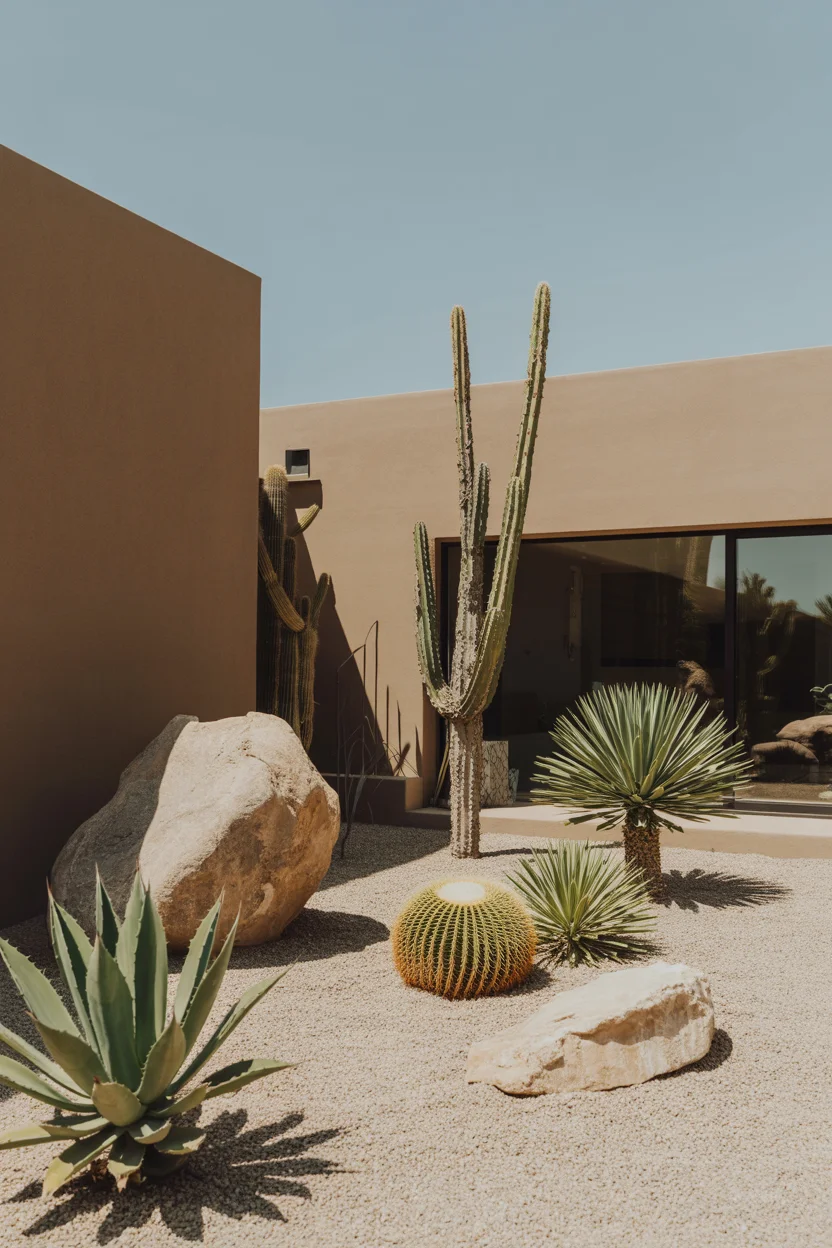
Desert landscapes showcase some of the best rock landscaping ideas because stone naturally belongs in dry environments. Rocks paired with cacti, agave, yucca, and drought-tolerant grasses create low-maintenance landscapes with strong visual impact. However, many homeowners overdo desert themes by relying on too much bare gravel and too few plants. The best designs balance open stone areas with sculptural greenery.
Use large boulders as focal points and smaller gravel as supportive texture rather than covering every surface entirely. Incorporating varied plant heights prevents the landscape from feeling empty or overly harsh. Warm-toned rocks complement desert palettes beautifully, especially alongside terracotta planters or stucco homes. This style works particularly well in sunny climates where drought-resistant landscaping reduces water use while maintaining a polished, modern appearance.
H2: Use River Rocks Around Trees Correctly
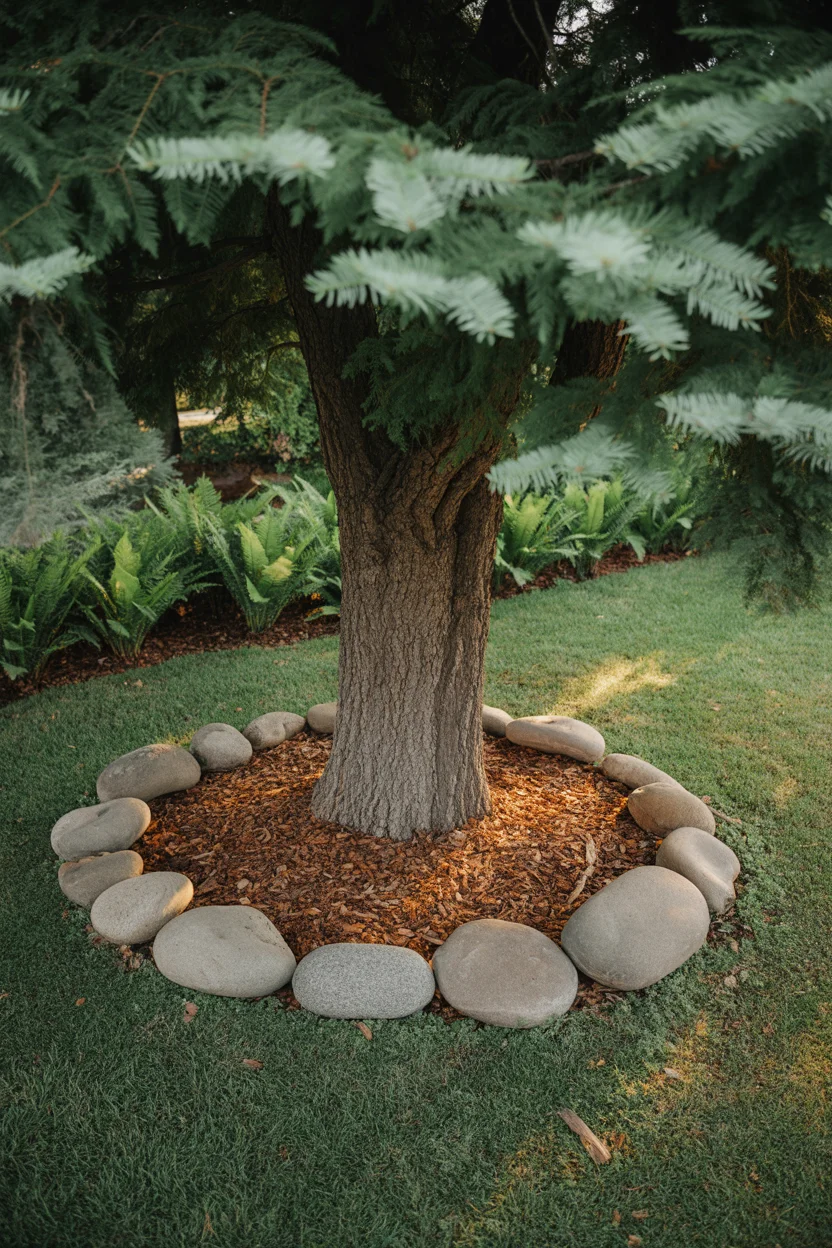
Many people pile rocks directly against tree trunks, which can trap moisture and damage roots over time. Smarter rock landscaping ideas use river rocks carefully around trees while leaving space for airflow and healthy growth. A proper rock border should sit several inches away from the trunk, often separated by mulch or exposed soil. This protects the tree while still creating a clean, decorative appearance.
River rocks work especially well because their smooth texture contrasts beautifully with bark and foliage. They also help reduce soil erosion and maintain cleaner edges around planting beds. Pair the rocks with shade-loving plants or groundcovers for a softer, more layered look. The goal is enhancing the tree’s presence in the landscape rather than suffocating it with decorative materials placed too aggressively around the base.
H2: Blend Rocks Into Modern Landscaping
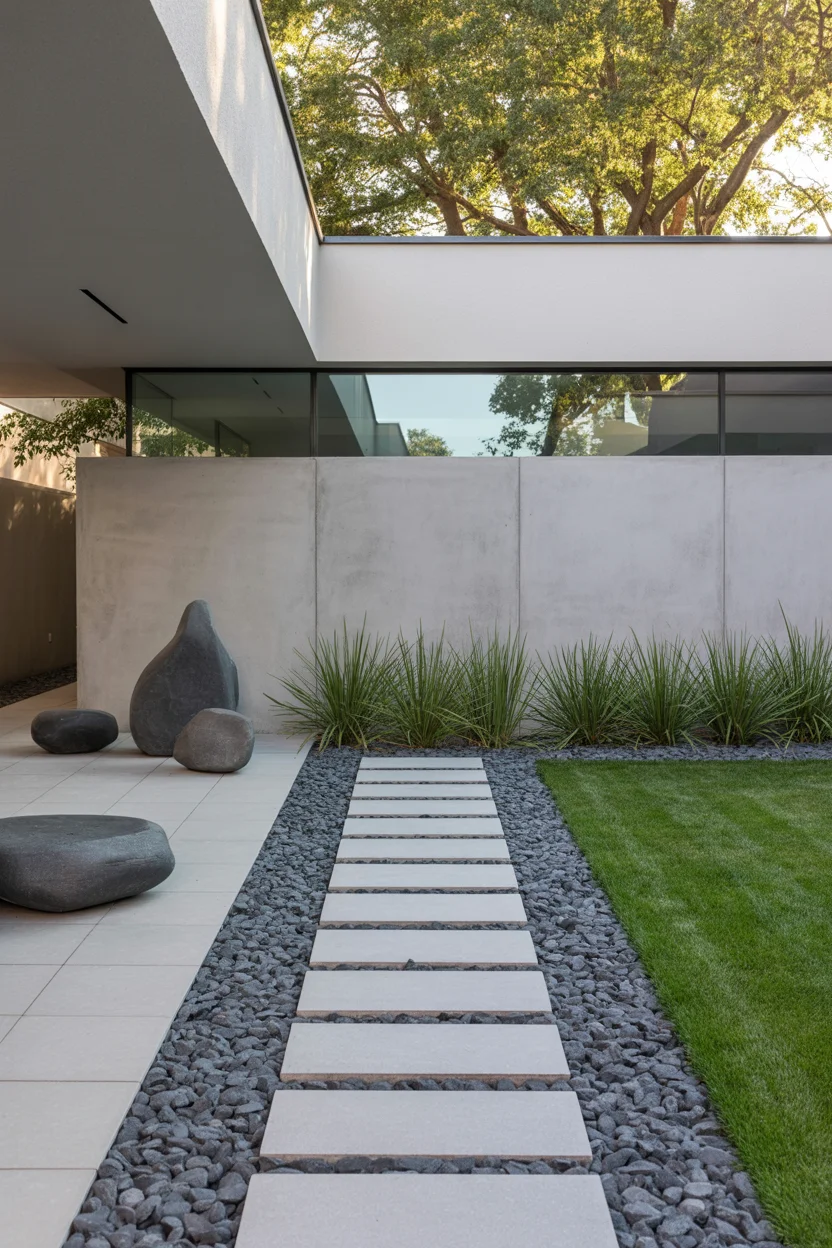
Modern landscapes require restraint, and rock landscaping ideas can easily look cluttered if overcomplicated. In contemporary outdoor spaces, rocks work best when used sparingly and intentionally. Large black stones, charcoal gravel, or smooth river rocks create clean texture without competing against minimalist architecture. Simplicity allows each material to stand out while maintaining the calm, uncluttered atmosphere modern landscaping relies on.
Stick to limited colors and geometric layouts to keep the design cohesive. Pair rocks with structured plants like boxwoods, grasses, or agave to maintain clean visual lines. Avoid overly decorative rock arrangements or excessive layering that disrupts the minimalist aesthetic. The best modern rock landscapes feel calm, balanced, and architectural rather than busy or rustic.
H2: Add Lighting Around Stone Features
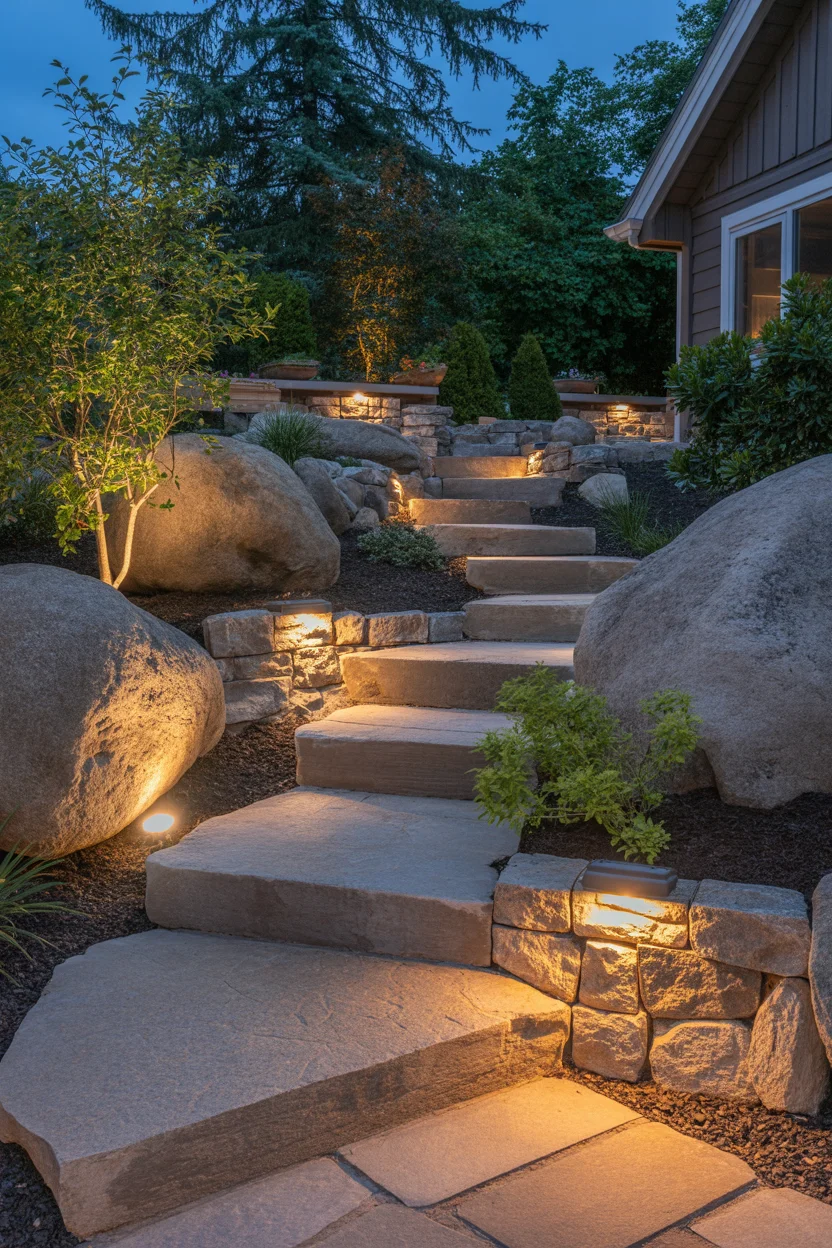
Stone landscaping often disappears visually at night without proper lighting. One of the most overlooked rock landscaping ideas is using warm outdoor lighting to highlight texture and shape after sunset. Lighting transforms rocks into sculptural elements while adding depth and atmosphere to the landscape. Even simple uplighting can dramatically change how boulders, retaining walls, or pathways look during evening hours.
Position lights carefully to avoid harsh glare or overly bright hot spots. Soft lighting angled upward emphasizes natural texture and creates dramatic shadows across rough stone surfaces. Combining pathway lights with accent lighting around larger rocks creates layered illumination that feels welcoming rather than overwhelming. Outdoor lighting also increases safety while making the landscape feel intentionally designed both day and night.
H2: Create Dry River Beds That Look Realistic
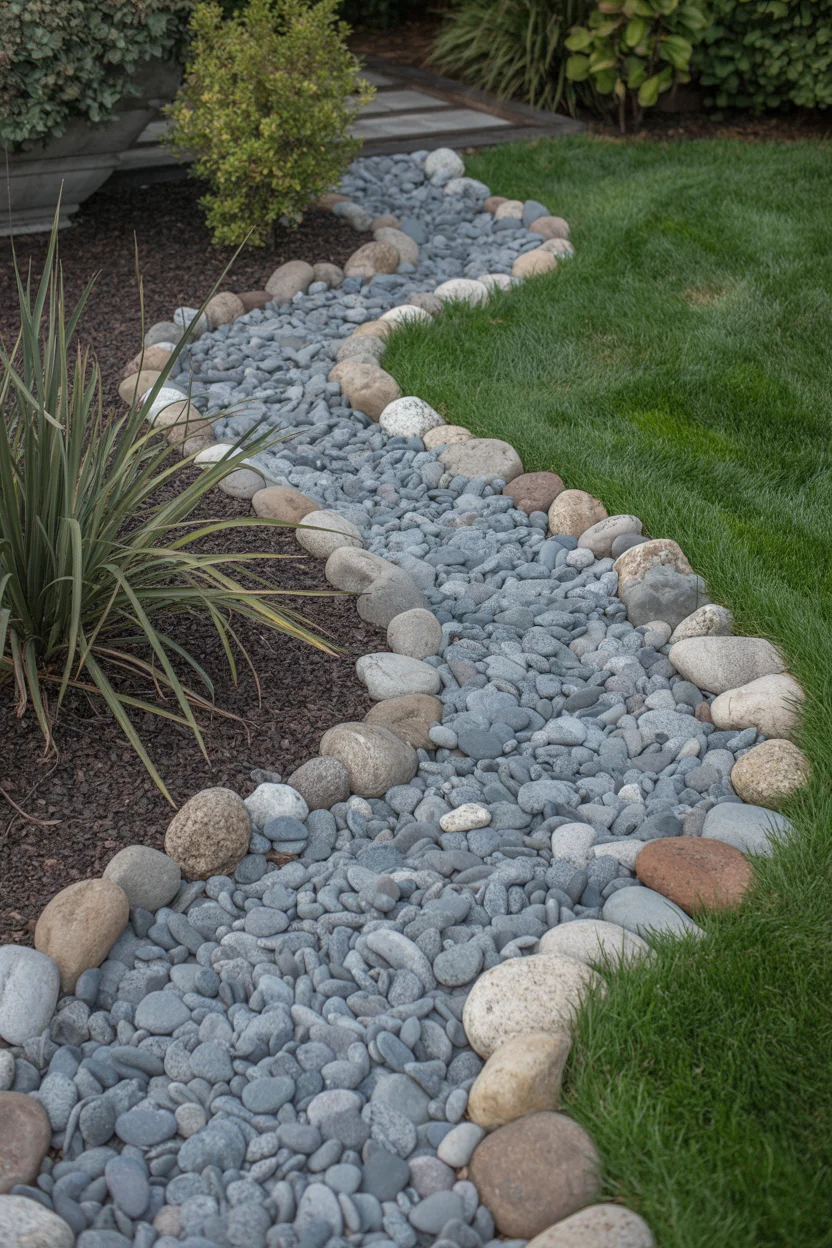
Dry river beds are popular rock landscaping ideas, but many look fake because they’re installed too symmetrically. Natural creek beds have irregular edges, varied stone sizes, and uneven flow patterns that make them feel organic. To create realism, the river bed should curve naturally through the landscape rather than forming stiff straight lines. Larger rocks should appear randomly placed, not evenly spaced like decorative borders.
Mixing different gravel sizes creates the illusion of water movement and erosion over time. Add grasses or low plants along the edges to soften transitions and mimic natural growth patterns. Dry river beds also provide practical drainage solutions for yards prone to runoff or pooling water. When designed thoughtfully, they become both functional and visually striking landscape features that look naturally integrated into the terrain.
H2: Don’t Ignore Drainage With Rock Landscaping
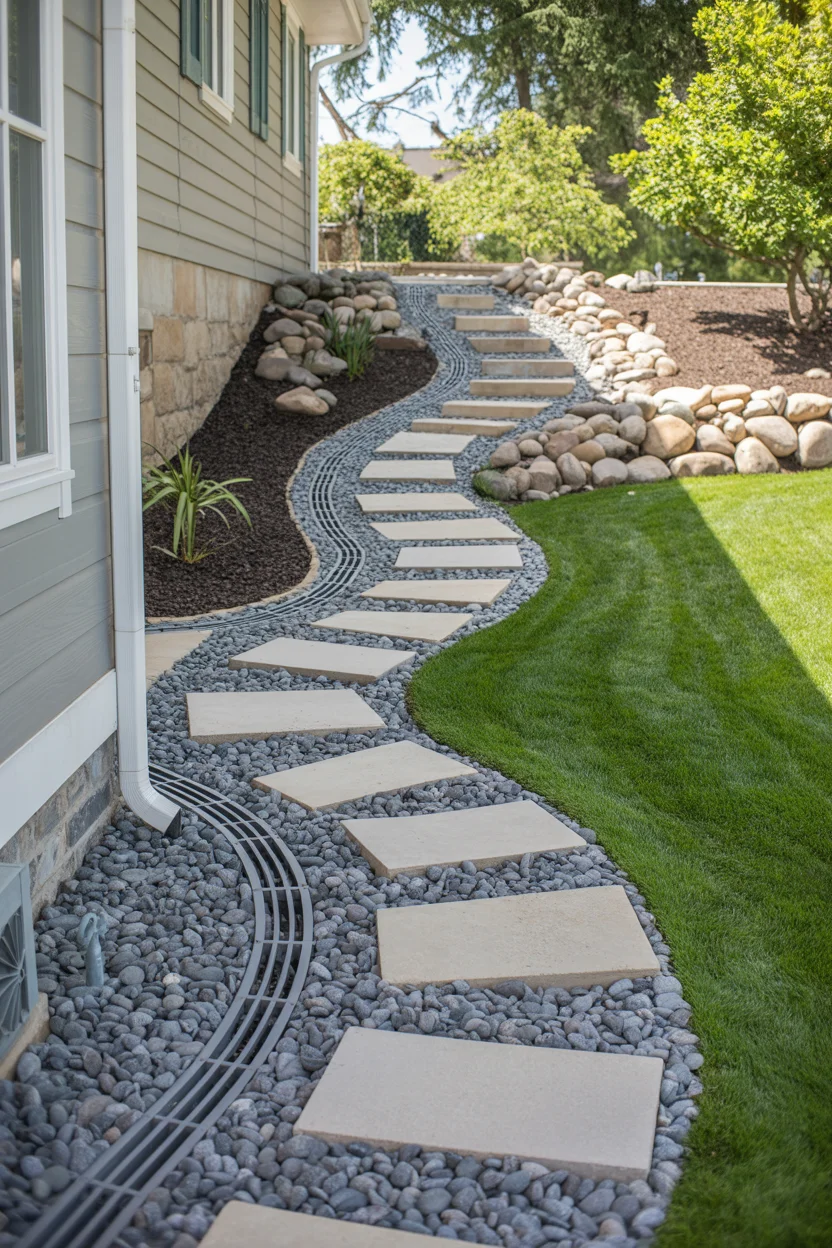
Many homeowners focus only on appearance when exploring rock landscaping ideas and completely overlook drainage. Rocks naturally affect how water moves through a yard, so planning drainage is essential to avoid erosion, pooling, or foundation issues later. Gravel pathways, dry creek beds, and sloped rock installations can all help manage water effectively while still looking beautiful.
Using landscape fabric beneath gravel prevents sinking and weed growth while maintaining cleaner drainage channels. Layering different stone sizes also improves water movement and stability. Incorporating slight slopes ensures runoff flows away from structures rather than collecting around patios or foundations. Functional rock landscaping not only looks polished but also protects the long-term health of the yard and home.
H2: Add Contrast With Dark Mulch and Stone
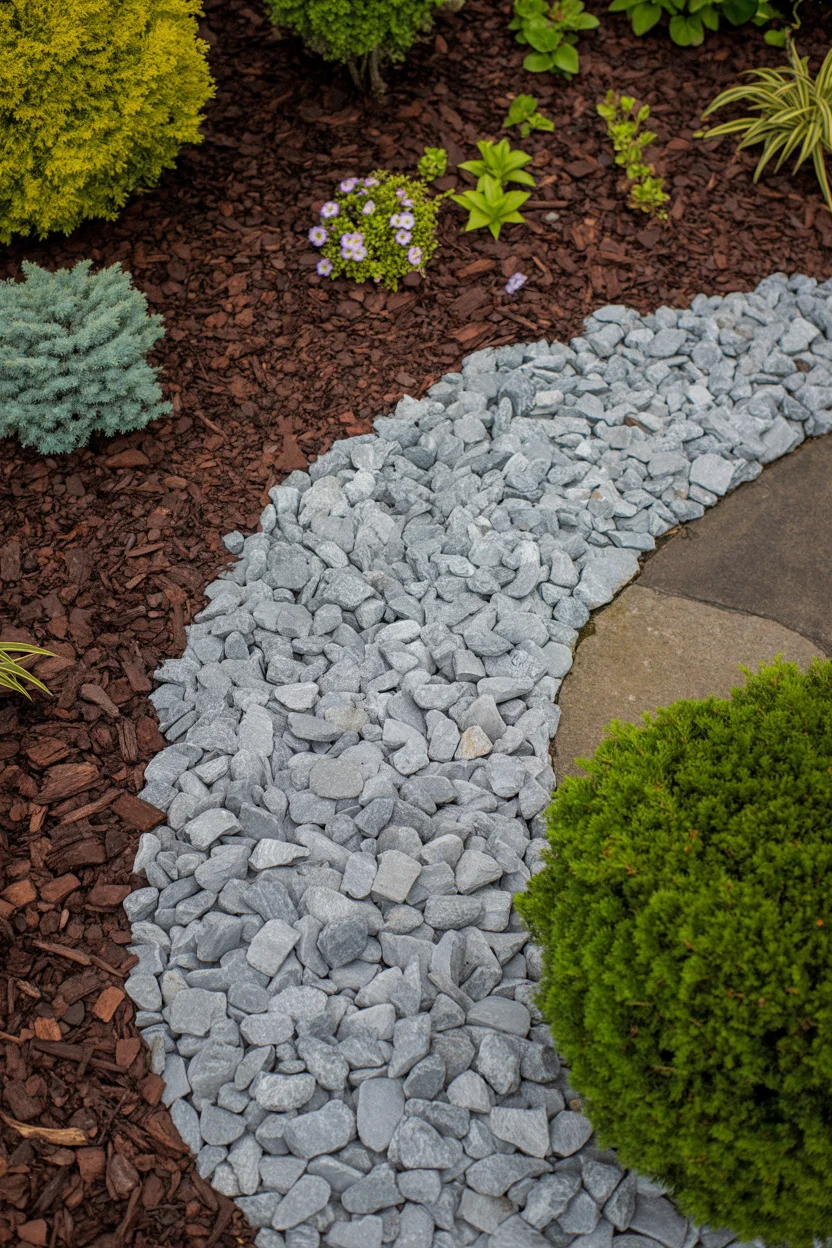
Landscapes with only one texture often feel flat, which is why combining mulch and stone is one of the most effective rock landscaping ideas. Dark mulch creates dramatic contrast against lighter rocks while helping plants stand out more clearly. This layered combination prevents the landscape from becoming overly rocky or visually cold while maintaining a clean and polished appearance.
The contrast also helps define separate zones within the garden. Use rocks for pathways, edging, or focal areas while mulch supports planting beds and moisture retention. Repeating both materials throughout the landscape creates consistency without monotony. Pairing organic mulch with rugged stone creates balance between softness and structure, which is essential for visually appealing outdoor design.
H2: Use Vertical Stone Features as Focal Points
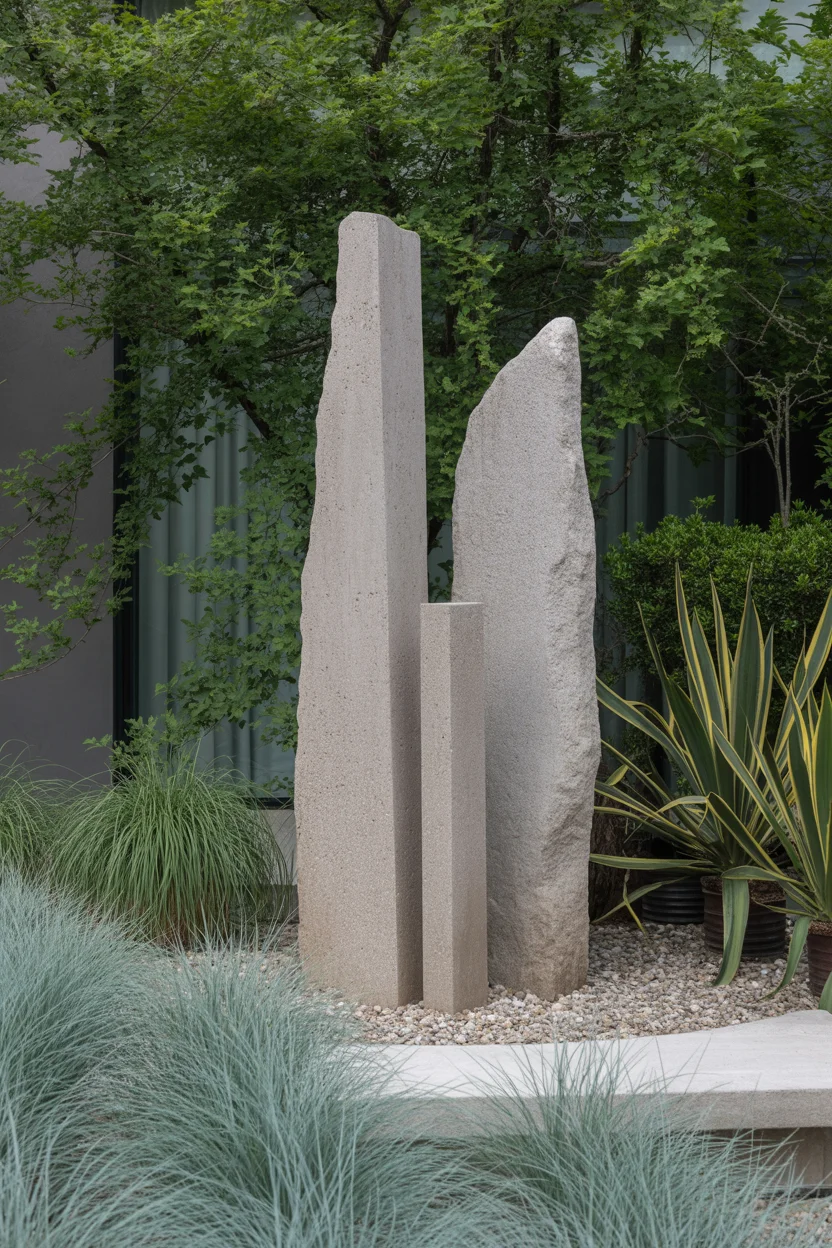
Most rock landscaping ideas focus only on ground-level elements, but vertical stone features create dramatic visual interest. Standing stones, stacked rock columns, or upright slabs add height and sculptural structure to flat landscapes. These features draw the eye upward and create strong focal points that help define outdoor spaces without relying solely on plants or furniture.
Vertical stones work especially well in modern, zen-inspired, or desert gardens where clean forms and bold shapes dominate the design. Position them asymmetrically for a more natural appearance rather than placing them in rigid rows. Surround with gravel or low greenery to emphasize the height and texture of the stone itself. These architectural rock elements instantly make outdoor spaces feel more curated and intentional.
H2: Soften Retaining Walls With Cascading Plants
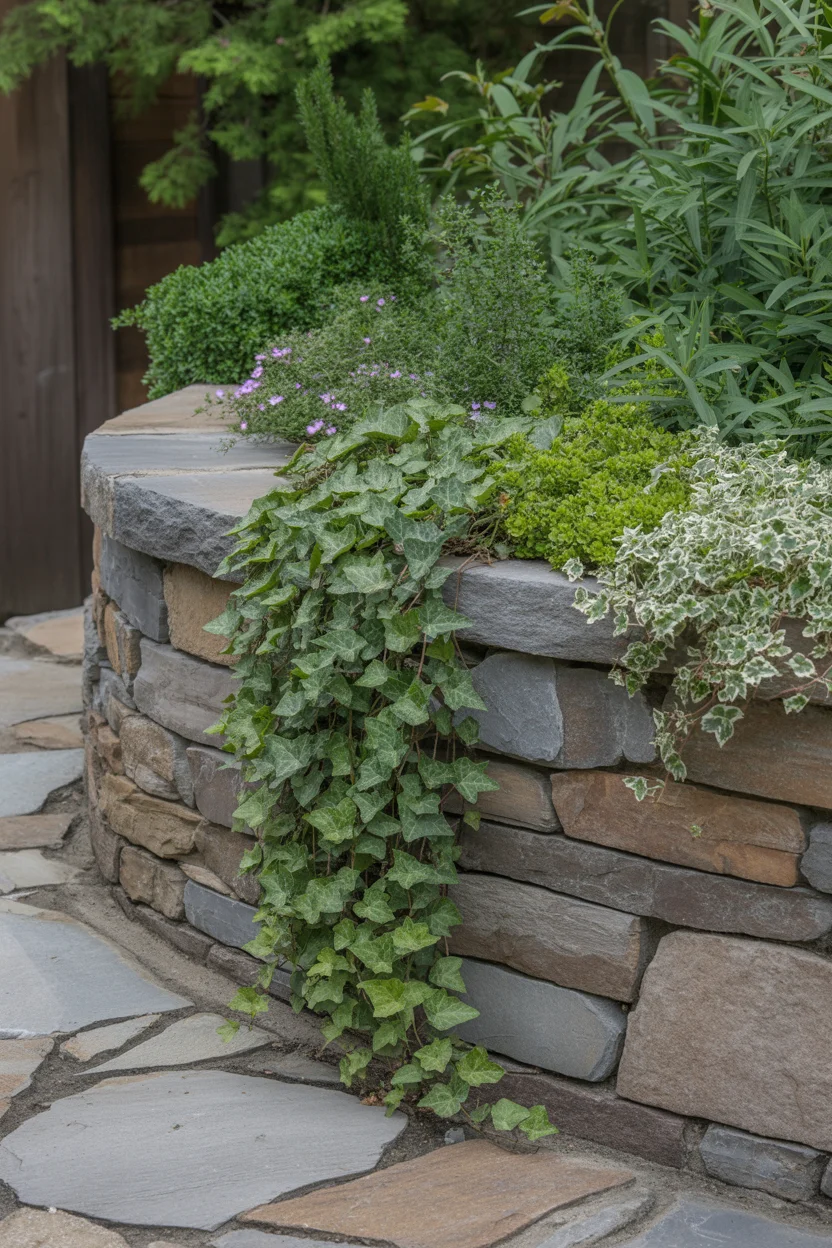
Retaining walls can easily feel heavy and harsh if left bare. One of the smartest rock landscaping ideas is softening stone walls with cascading plants that break up rigid lines and add movement. Trailing greenery creates a more natural transition between hardscape and planting beds while making the wall feel integrated into the landscape rather than purely structural.
Plants like creeping phlox, ivy, bacopa, or trailing rosemary work beautifully because they spill over stone edges naturally. The contrast between rugged rock and flowing greenery adds depth and visual softness. This approach works especially well in terraced gardens where retaining walls play a major structural role. Without plants, even expensive stonework can feel cold or unfinished.
H2: Avoid Perfectly Symmetrical Rock Placement
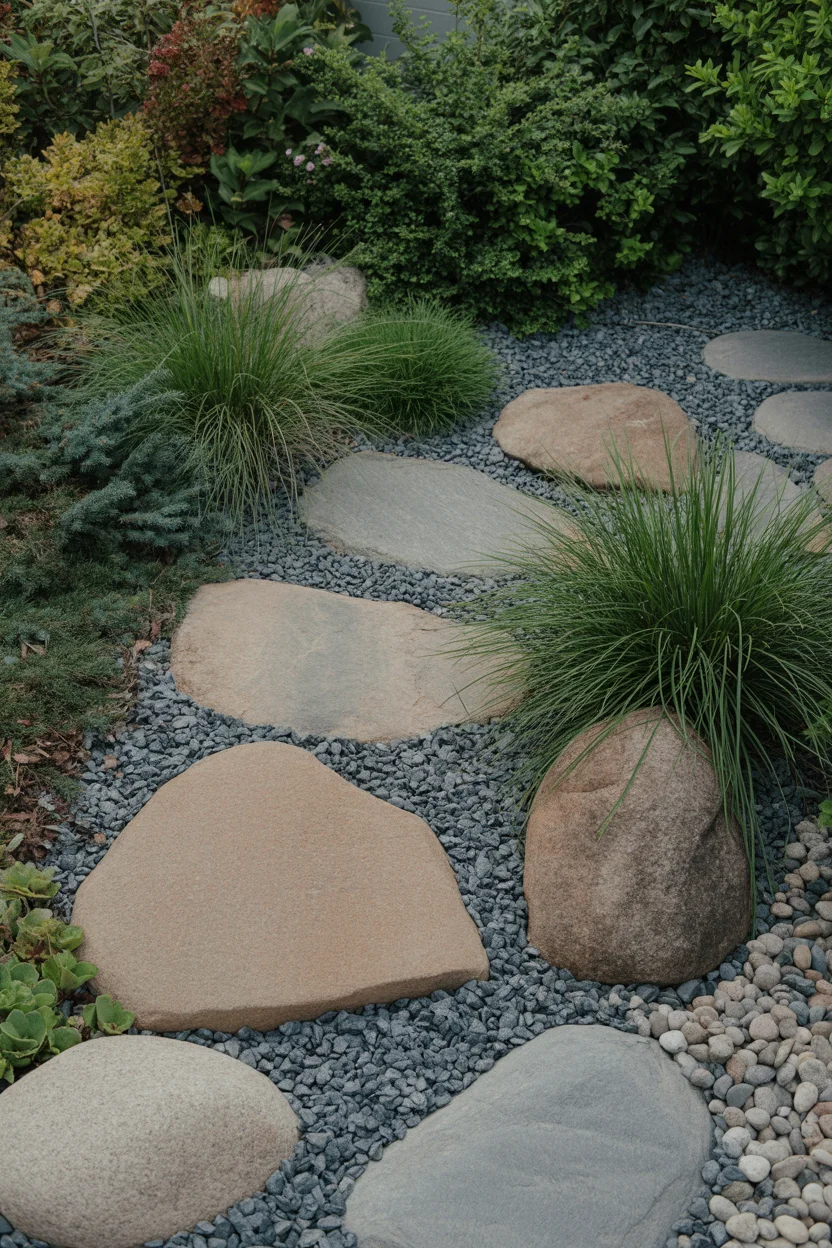
Perfect symmetry often makes rock landscaping feel artificial and overly staged. Natural environments rarely place stones in evenly spaced patterns, which is why asymmetry is one of the most important principles behind successful rock landscaping ideas. Slightly irregular spacing, varied angles, and uneven groupings help landscapes feel more realistic and visually relaxed.
Balance still matters, but it should come from overall composition rather than mirrored placement. Group rocks in clusters of different sizes and avoid creating repetitive patterns. This organic approach allows the eye to move naturally through the landscape without feeling trapped by rigid design rules. Asymmetry creates landscapes that feel effortless, even when carefully planned.
H2: Use Rocks to Define Outdoor Seating Areas
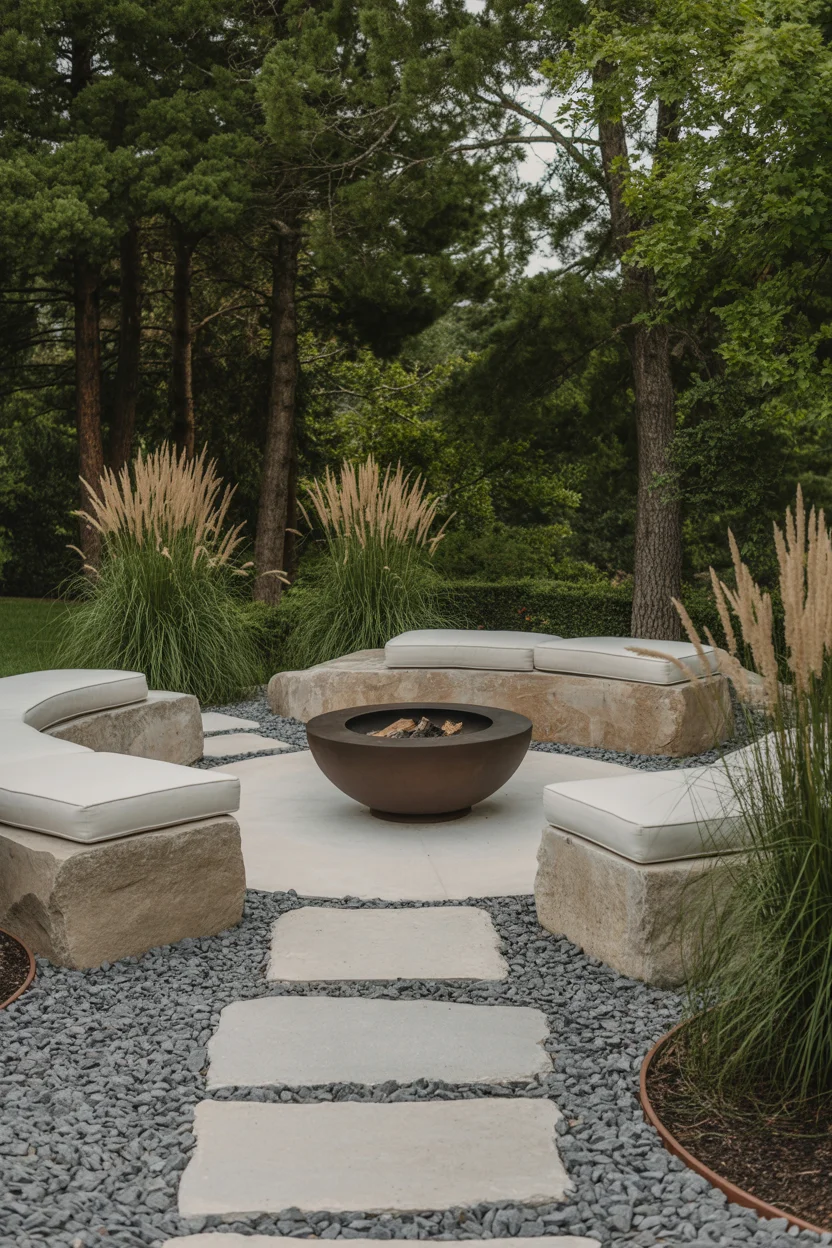
Rock landscaping ideas work beautifully for defining outdoor living spaces without building bulky walls or fences. Large stones, gravel borders, or stacked rock edging can visually separate seating areas, patios, or fire pit zones while maintaining a natural flow throughout the yard. Stone boundaries feel softer and more integrated than rigid hardscape structures.
Using rocks around seating areas also creates texture and contrast against furniture and flooring materials. Pair stone borders with grasses or low shrubs to soften transitions and make the area feel connected to the surrounding landscape. This approach works particularly well in modern rustic, desert, and naturalistic garden designs where outdoor spaces should feel relaxed rather than heavily enclosed.
H2: Incorporate Moss and Weathered Stone
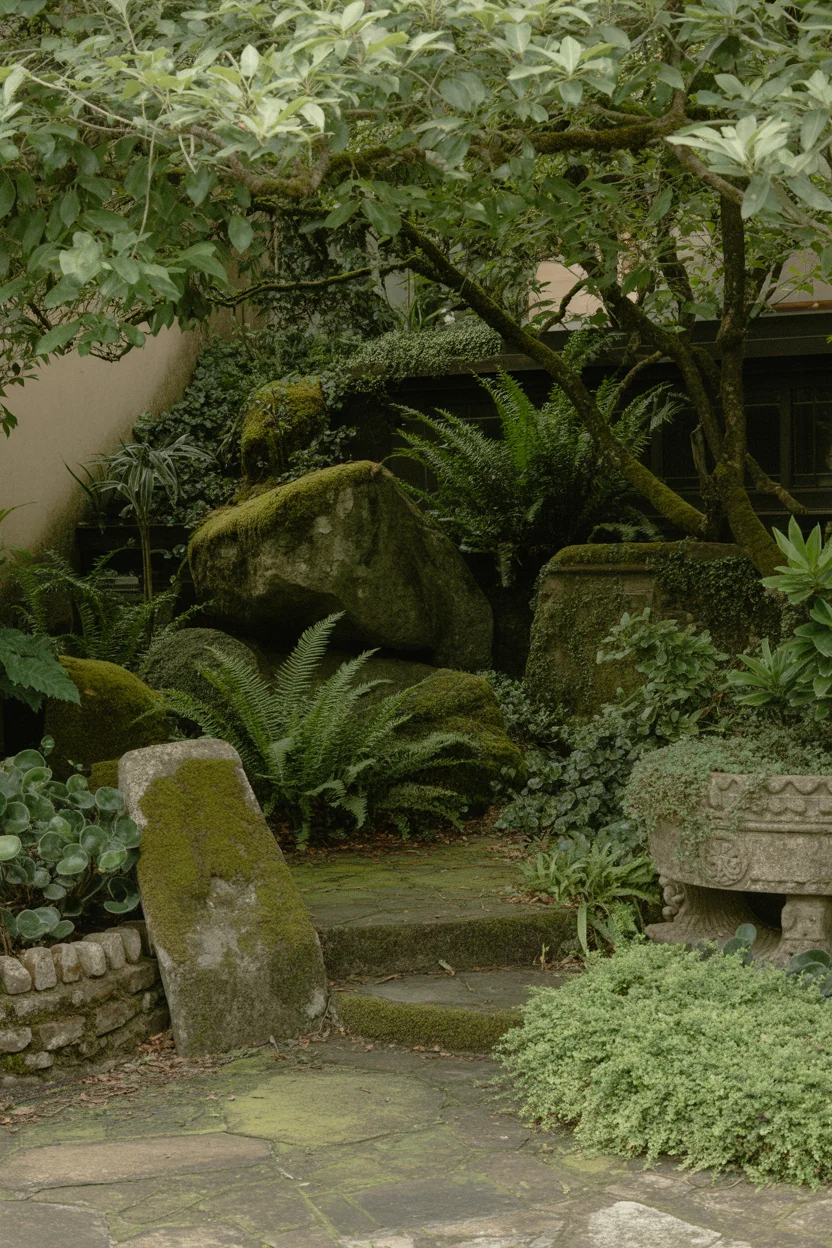
Freshly installed stone can sometimes look too harsh or newly constructed. One of the most beautiful rock landscaping ideas is embracing weathered stone and natural moss growth for a more aged appearance. Moss softens rough textures while adding rich green tones that make landscapes feel mature and naturally established.
Shaded areas with moisture are perfect for encouraging moss growth around rocks and pathways. Weathered stones with irregular texture also blend more naturally into gardens than perfectly polished materials. Pair these elements with ferns, hostas, or woodland plants to enhance the soft, organic atmosphere. The goal is creating a landscape that feels timeless rather than freshly installed.
H2: Combine Wood and Stone for Warmth
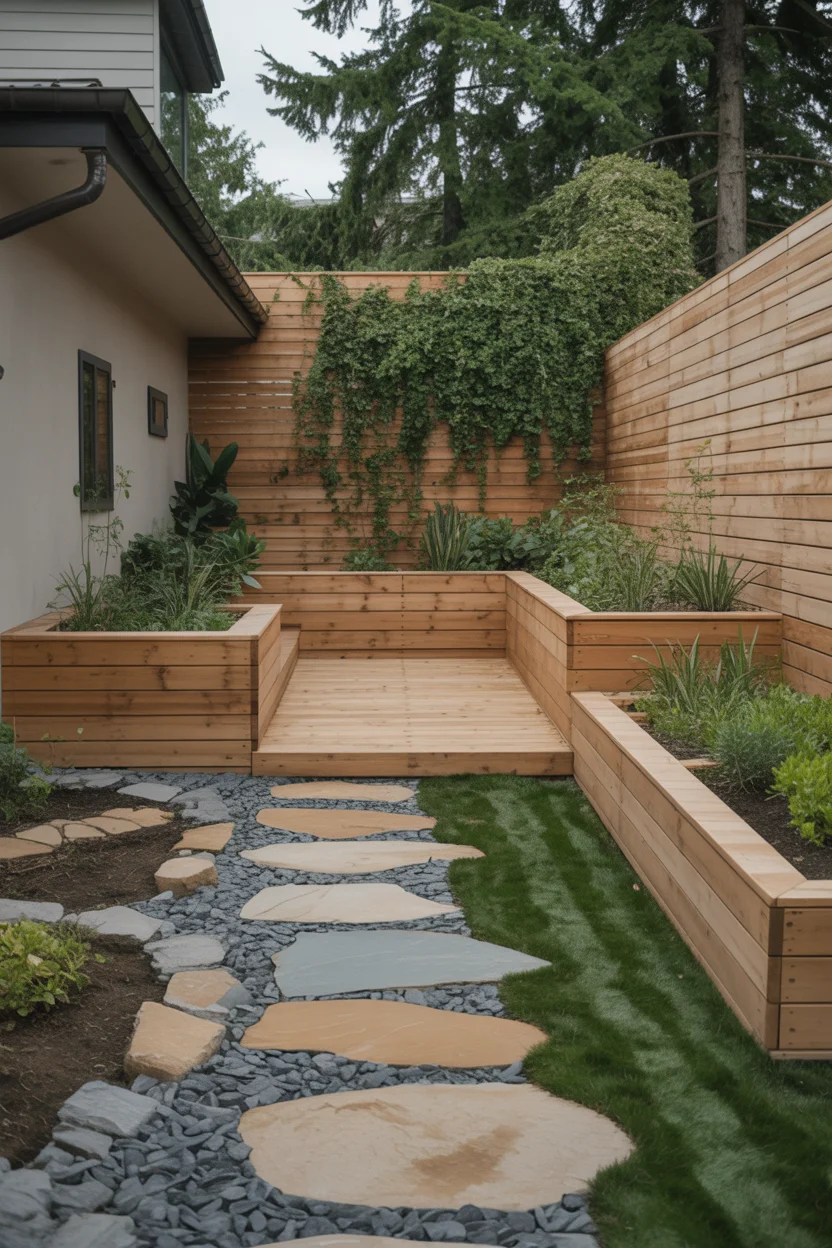
Landscapes made entirely of stone can feel cold without balancing materials. One of the smartest rock landscaping ideas is combining wood and stone to introduce warmth and contrast. Natural wood softens rugged stone textures while making outdoor spaces feel more inviting and comfortable. This combination works across many styles, from modern rustic to Scandinavian-inspired gardens.
Wood decking, benches, pergolas, or planter boxes pair beautifully with gravel, flagstone, or boulders because the materials complement rather than compete with each other. Warm wood tones also help soften gray or dark stone palettes. The balance between rough and smooth textures creates outdoor spaces that feel layered, comfortable, and visually complete.
H2: Keep Maintenance in Mind When Choosing Stone
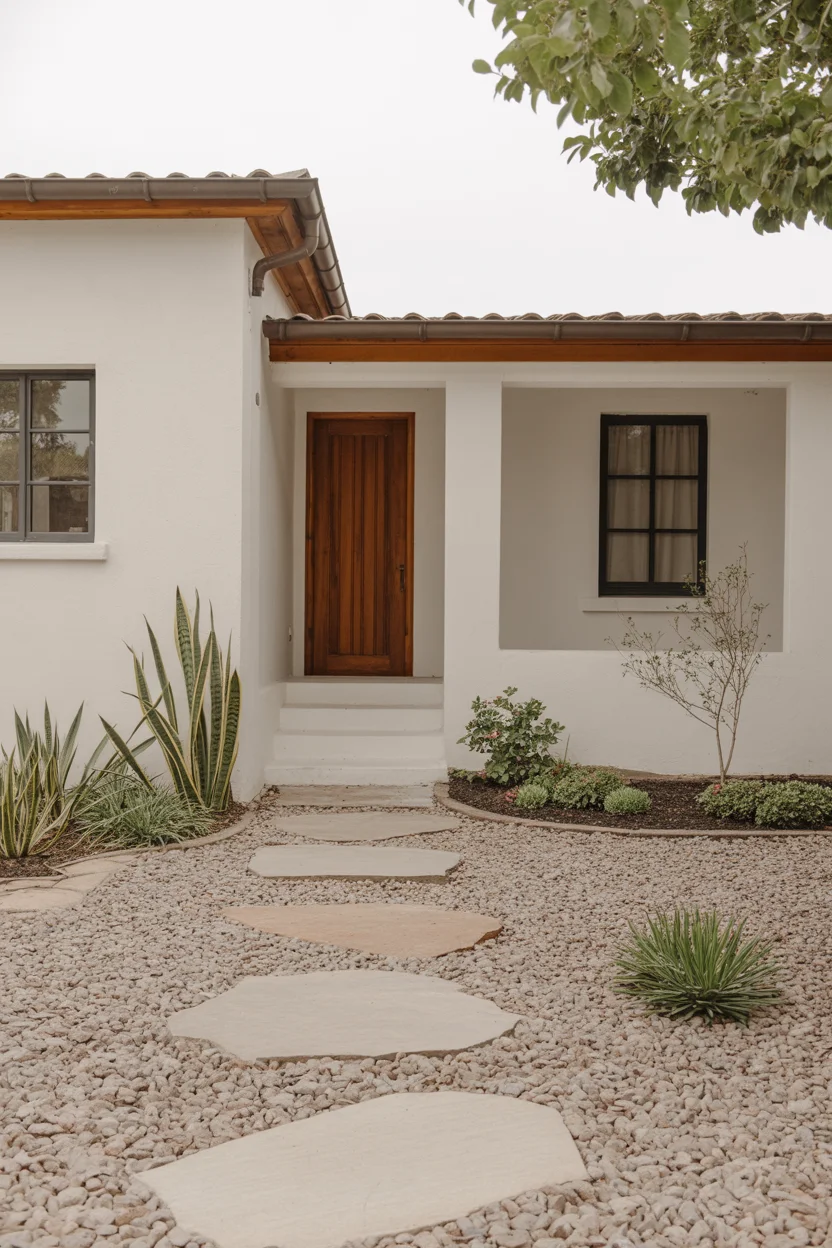
Beautiful landscapes become frustrating quickly if maintenance is ignored during planning. Practical rock landscaping ideas consider weed control, drainage, cleaning, and long-term upkeep before installation begins. Tiny gravel spreads easily, white rocks stain over time, and poorly installed stone can shift or sink after heavy rain. Choosing the right materials from the start prevents expensive corrections later.
Larger stones generally require less maintenance than loose gravel because they stay in place and collect less debris. Installing proper edging and landscape fabric also helps keep the design looking clean over time. Selecting drought-tolerant plants reduces watering needs while preventing overgrowth around stone features. The best rock landscapes are not only attractive but also realistic to maintain long term.
Conclusion
The best rock landscaping ideas balance texture, scale, greenery, and open space to create outdoor designs that feel intentional rather than overwhelming. Rocks should support the landscape, not completely dominate it. By layering stone sizes, incorporating plants, improving drainage, and avoiding overly rigid layouts, you can create a yard that feels natural, polished, and timeless. Thoughtful rock landscaping transforms ordinary outdoor spaces into visually rich environments that stay beautiful year after year.

Join The Discussion