
Introduction
Not all deck stains work the same way on every wood, since each species has its own natural color, grain, and porosity that affects how a finish looks and lasts. Softwoods like pine and spruce soak up pigment differently than dense hardwoods like ipe and teak, which means the “right” stain color depends heavily on what your deck is actually built from. These 24 deck stain color pairings take the guesswork out of the process, matching specific tones and finishes to the wood types that suit them best.
1. Cedar Wood with Natural Honey Stain
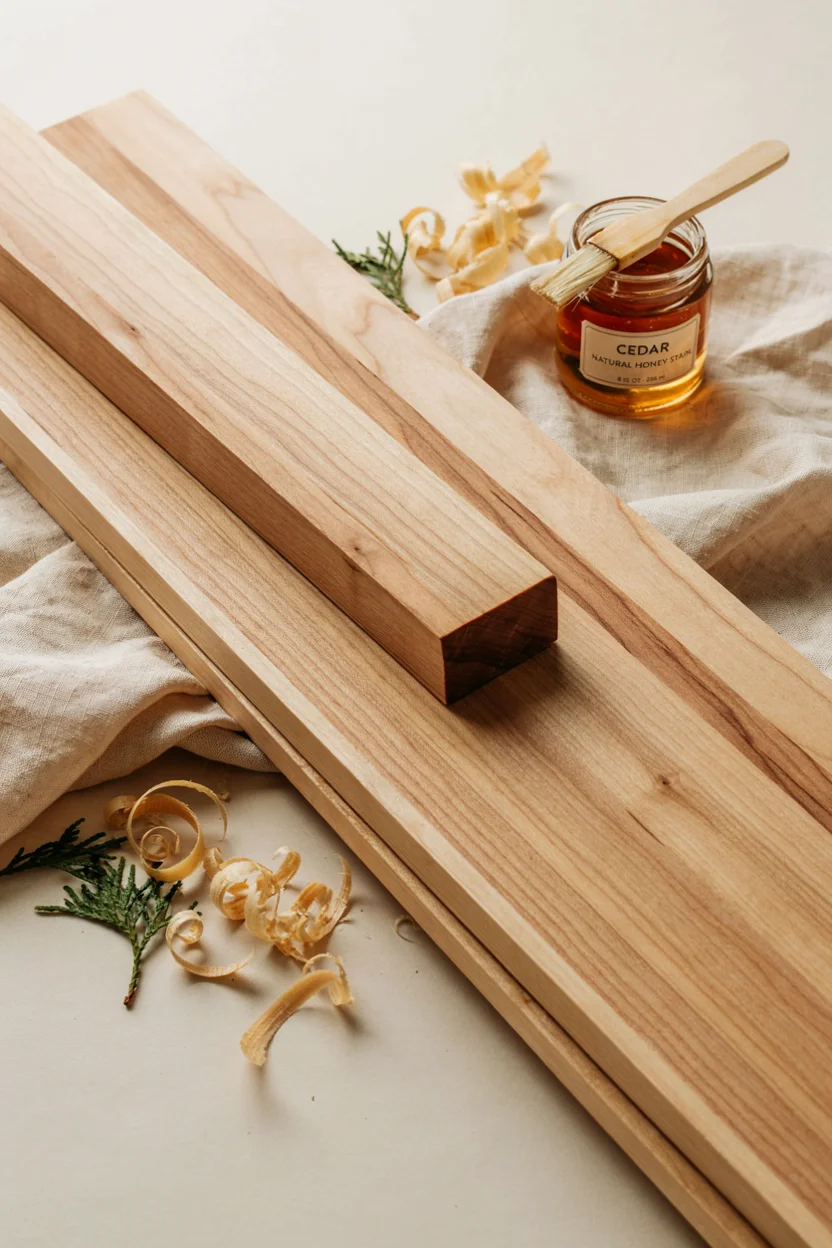
Cedar is prized for its naturally warm, golden undertones, and a honey-toned stain enhances rather than masks that inherent color. This shade allows the wood grain to remain visible while adding a protective layer against UV rays and moisture, keeping the deck looking freshly finished for years without becoming overly dark or opaque.
Because cedar is naturally resistant to rot and insects, it doesn’t need a heavily pigmented stain for protection, making a translucent honey finish an ideal, low-maintenance choice. This pairing works especially well for decks surrounded by greenery, where the warm wood tone complements the natural landscape beautifully.
2. Pressure-Treated Pine with Cedar-Tone Stain
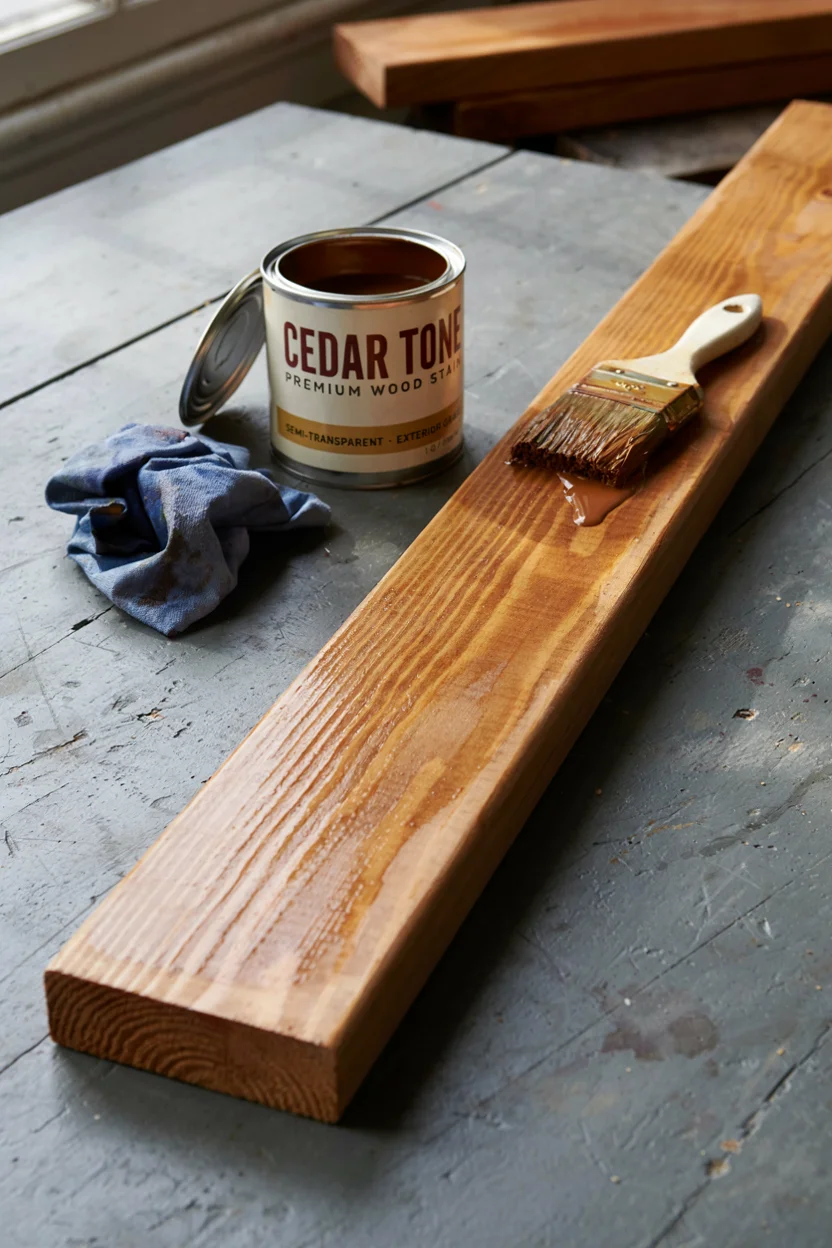
Pressure-treated pine often has a greenish or yellowish cast from the chemical treatment process, which a cedar-tone stain effectively neutralizes and warms up. This reddish-brown shade mimics the appearance of naturally more expensive cedar wood, giving budget-friendly pine decking a richer, more upscale look without the higher material cost.
Because pressure-treated pine is more porous than cedar, it tends to absorb stain unevenly if not properly prepped, so a light sanding and cleaning beforehand helps the cedar-tone finish go on smoothly. This combination is a popular, cost-effective way to achieve a warm, cohesive deck appearance.
3. Redwood with Semi-Transparent Redwood Stain
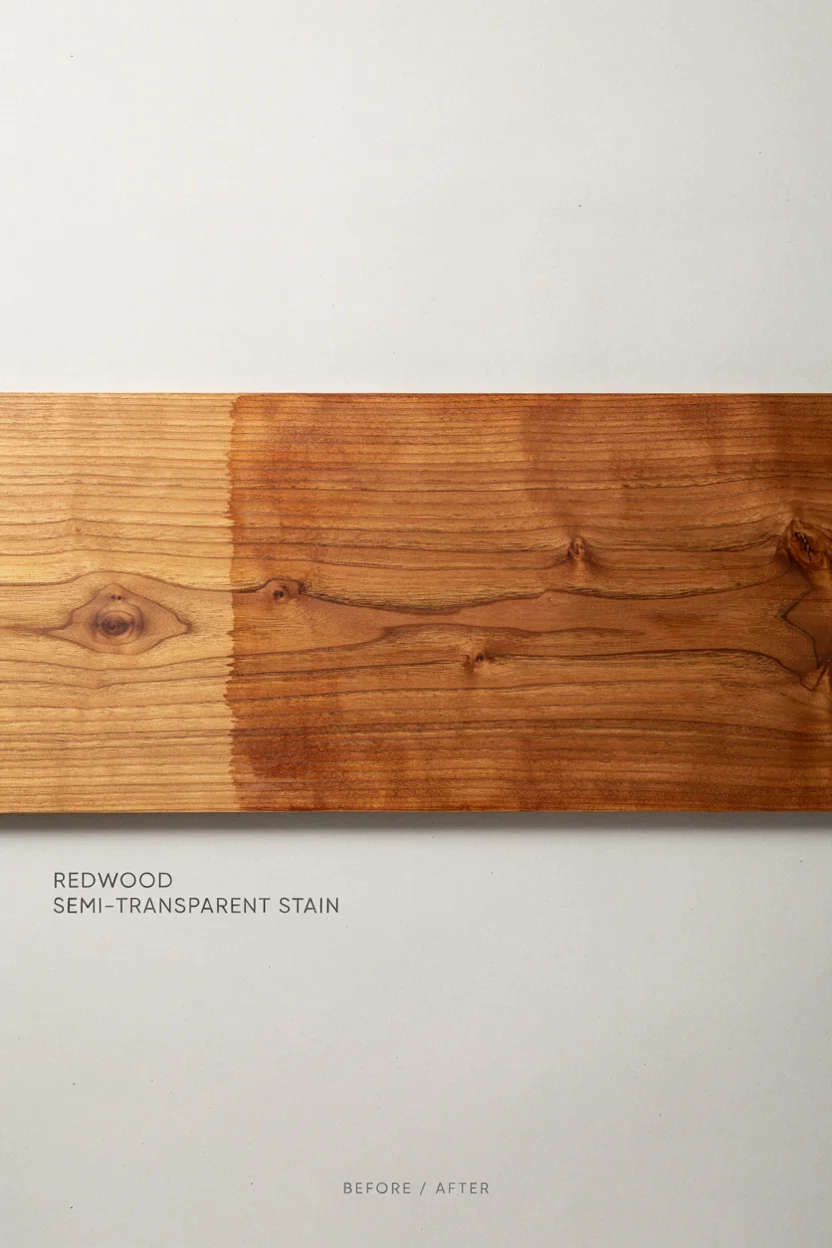
Redwood already carries a naturally deep reddish hue, and a semi-transparent stain in a matching redwood tone enhances that color while still allowing the grain pattern to show through. This approach protects the wood from sun fading and moisture damage without covering up the very characteristics that make redwood so desirable.
Semi-transparent stains also require less frequent reapplication than solid stains because they allow the wood to breathe and age gracefully. For redwood decks in particular, this finish keeps the wood looking vibrant and rich for several years, especially with periodic light maintenance and reapplication as needed.
4. Ipe Hardwood with Clear UV-Protective Stain
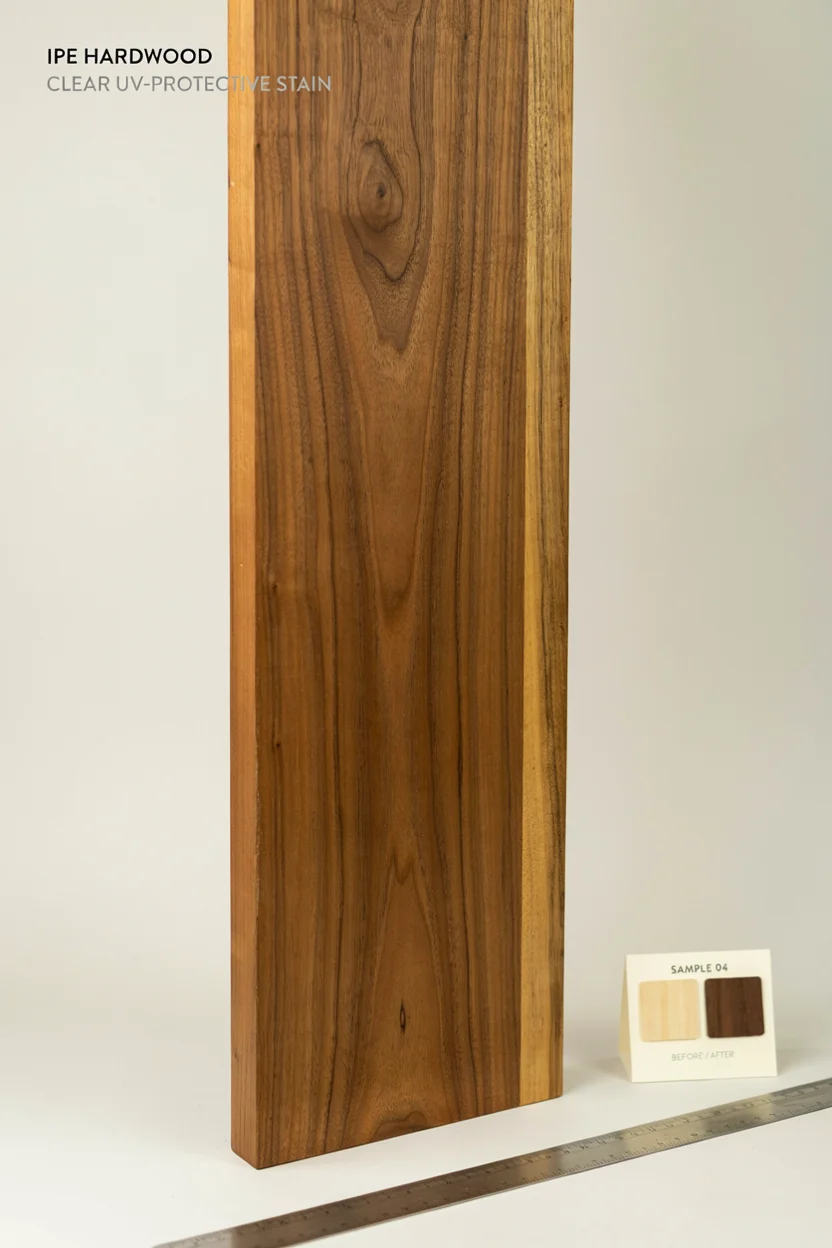
Ipe is an incredibly dense, naturally durable hardwood with a striking deep brown color that needs little more than protection from UV graying, making a clear stain the ideal choice. This finish preserves ipe’s rich, natural tone while adding a layer of defense against sun exposure, which can otherwise fade the wood to silver-gray over time.
Because ipe is so dense, it absorbs stain more slowly than softer woods, so a penetrating oil-based clear finish tends to perform best. Reapplying this clear coat every year or two keeps the wood’s natural chocolate tones vibrant, preserving the high-end look that makes ipe decking so sought after.
5. Mahogany with Rich Chestnut Stain
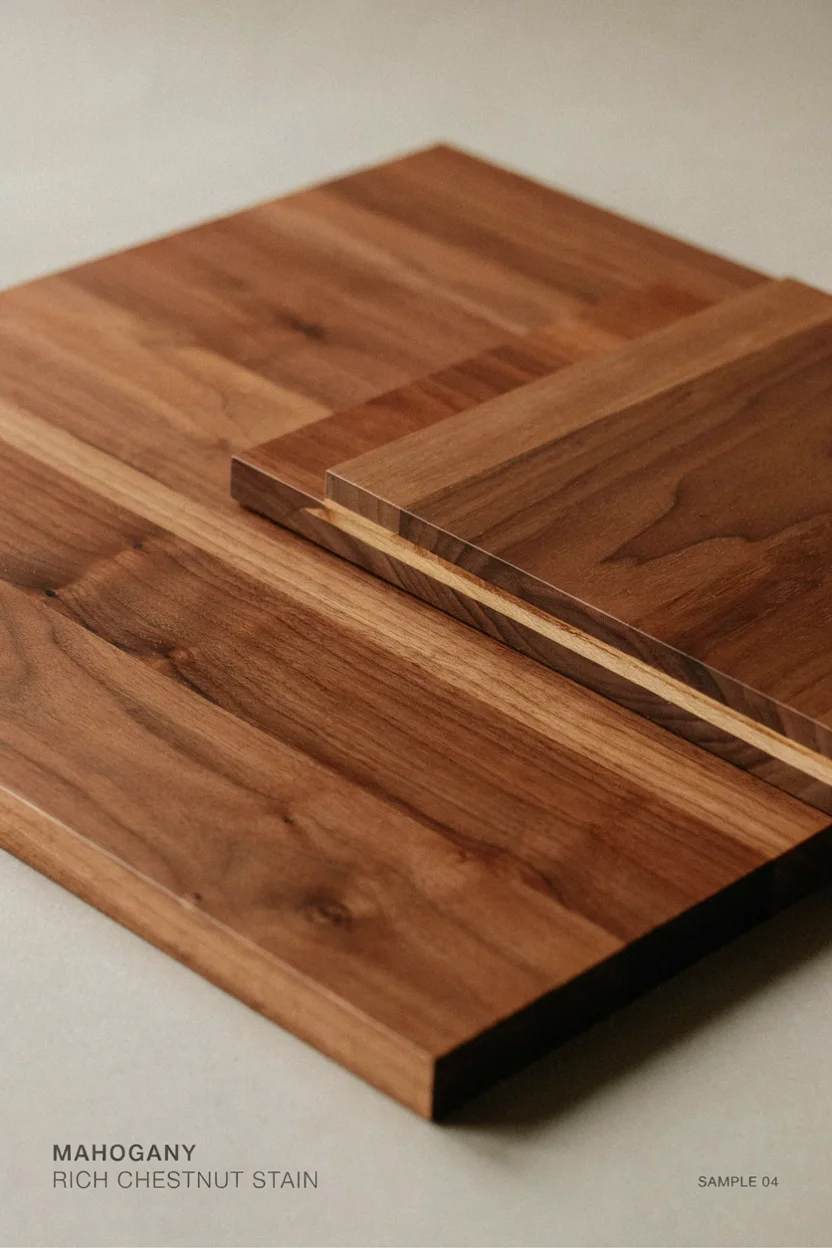
Mahogany’s naturally reddish-brown color pairs beautifully with a rich chestnut stain, which deepens the existing tone while adding warmth and dimension to the wood grain. This combination creates a luxurious, polished look that suits upscale outdoor spaces, particularly decks styled with elegant furniture and refined landscaping.
Because mahogany is a dense hardwood similar to ipe, it holds stain well and typically requires less frequent reapplication than softer wood types. A chestnut finish also helps mask minor scratches or wear over time, keeping the deck looking freshly finished with minimal upkeep between staining seasons.
6. Teak with Golden Amber Stain
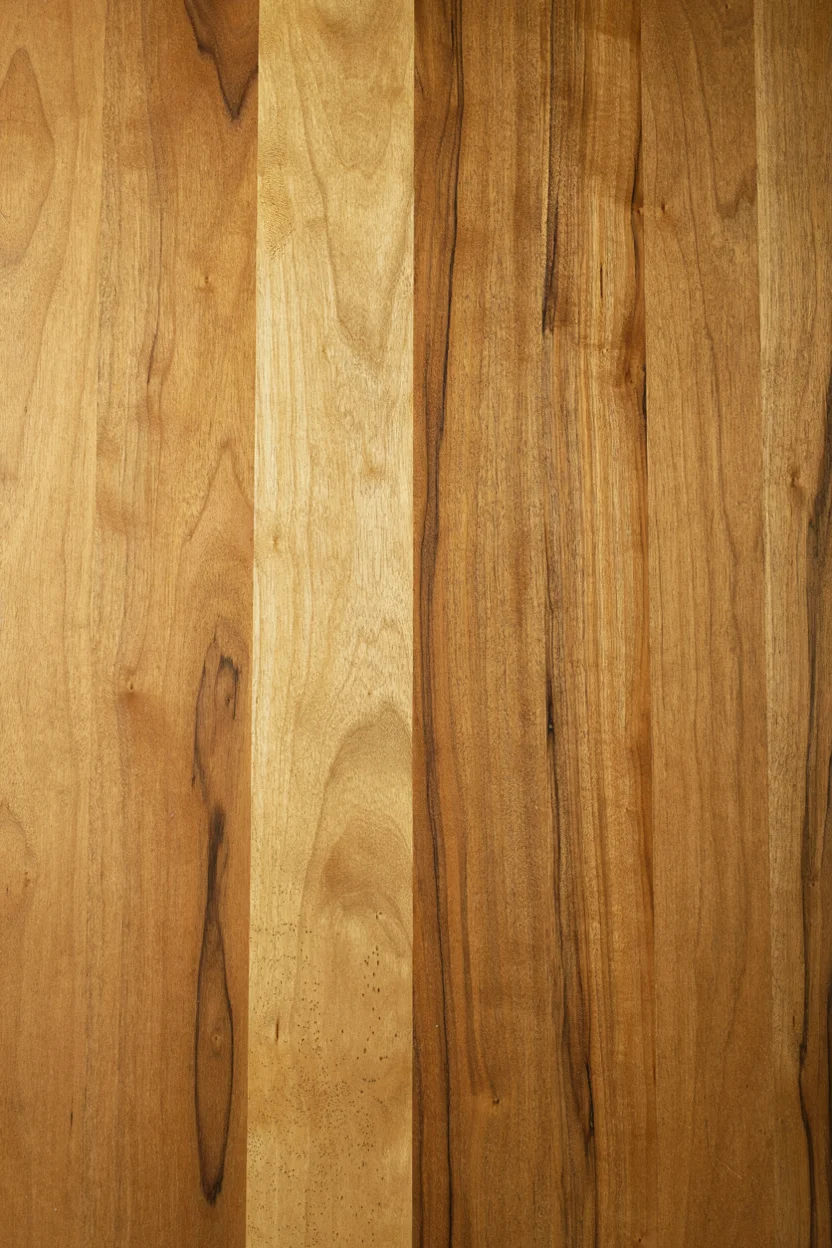
Teak is naturally rich in oils that give it excellent weather resistance, and a golden amber stain works with those natural properties rather than against them, enhancing the wood’s inherent warmth. This finish keeps teak looking sun-kissed and vibrant, ideal for decks that see a lot of direct sunlight throughout the year.
Because teak’s natural oils can sometimes resist stain absorption, light cleaning and prep work help the amber tone penetrate evenly across the surface. Once applied, this finish requires relatively infrequent touch-ups, making it a popular low-maintenance option for teak decking and matching outdoor furniture sets.
7. Douglas Fir with Warm Walnut Stain
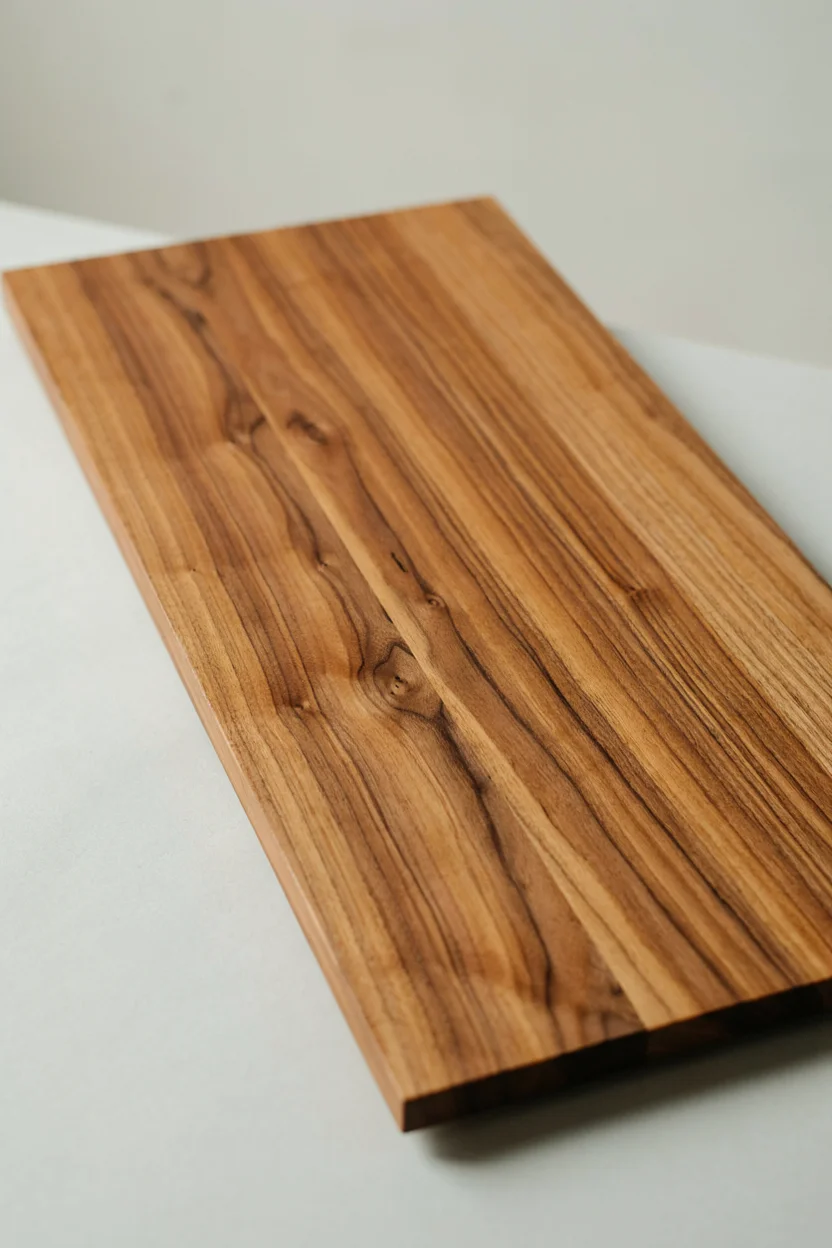
Douglas fir has a naturally light, straight grain that can appear somewhat plain in its raw state, but a warm walnut stain adds depth and richness that elevates the wood’s overall appearance. This deeper tone works especially well for decks intended to feel cozy and inviting, such as those built around fire pits or lounge areas.
Fir is a softer wood than hardwoods like teak or ipe, so it tends to absorb stain quickly and evenly, resulting in a smooth, consistent walnut finish. Because of its softness, more frequent maintenance and reapplication help protect the wood from wear, especially in high-traffic deck areas.
8. Spruce with Driftwood Gray Stain
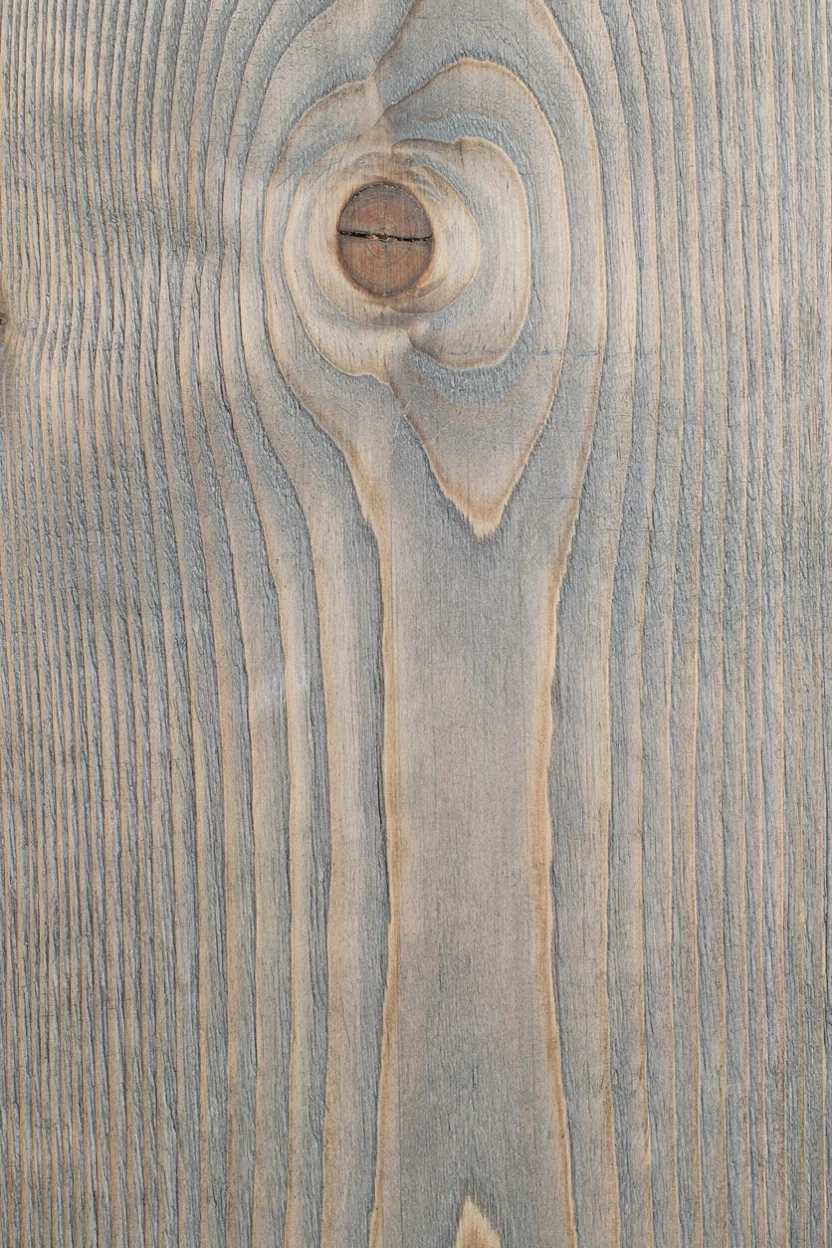
Spruce has a naturally pale, light-toned grain that takes on a beautifully weathered look when finished with a driftwood gray stain. This muted, cool-toned finish mimics the appearance of sun-bleached beach wood, making it a popular choice for coastal-style decks and outdoor spaces designed around a relaxed, breezy aesthetic.
Because spruce is a softer, more absorbent wood, the gray stain tends to penetrate evenly and requires less product to achieve full coverage compared to denser hardwoods. This finish pairs particularly well with white or light-colored outdoor furniture, reinforcing the airy, coastal vibe throughout the space.
9. Pine with Weathered Barnwood Stain
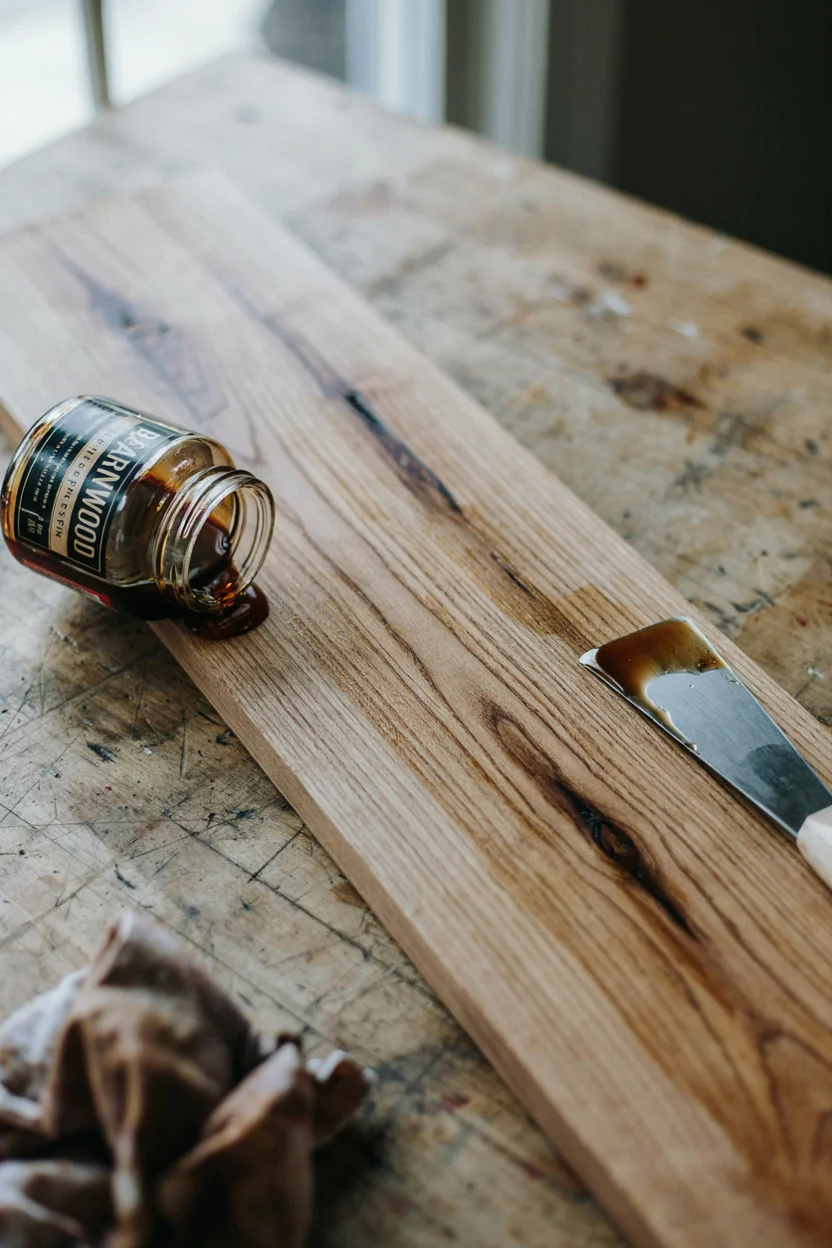
Pine’s naturally light color and prominent grain pattern make it an excellent candidate for a weathered barnwood stain, which mimics the aged, sun-worn look of reclaimed wood. This rustic finish is especially popular for farmhouse-style outdoor spaces, adding character and a sense of history to newly built decking.
Because pine is soft and porous, it readily absorbs the layered gray-brown tones typical of barnwood stains, creating convincing texture and depth. This finish pairs beautifully with vintage-inspired furniture and accessories, reinforcing a cozy, lived-in feel that suits country and farmhouse aesthetic decks particularly well.
10. Cedar with Charcoal Black Stain
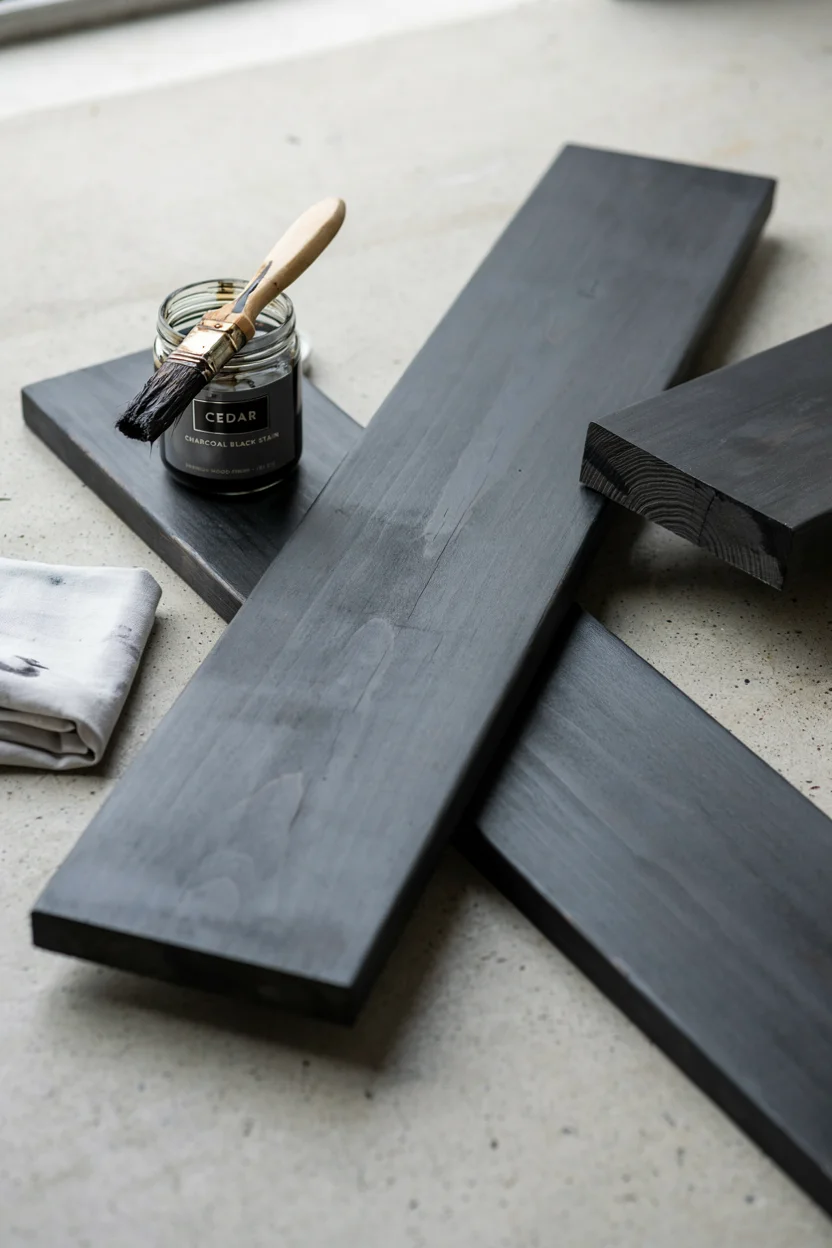
While cedar is often paired with warm, natural stain tones, a charcoal black finish offers a bold, modern alternative that highlights the wood’s grain through dramatic contrast rather than warmth. This striking color choice suits contemporary outdoor spaces designed around clean lines, minimalist furniture, and a moody, sophisticated color palette.
Because cedar accepts stain evenly thanks to its naturally porous structure, achieving a deep, consistent charcoal tone is relatively straightforward with proper application. This finish works especially well at night, when ambient lighting creates striking contrast against the deep black surface, making the deck feel like a true architectural statement.
11. Redwood with Deep Mahogany Stain
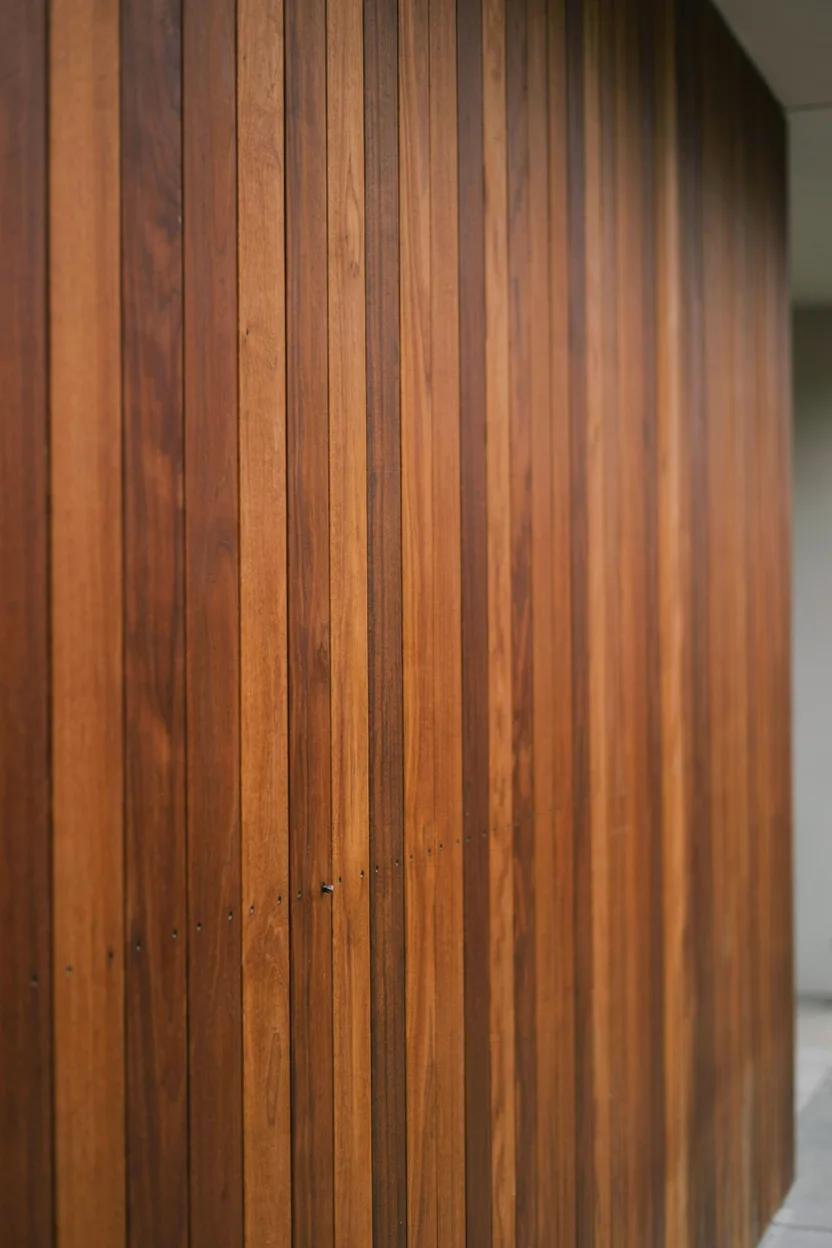
Redwood’s naturally reddish undertones make it an ideal match for a deep mahogany stain, which intensifies the existing color into a rich, luxurious finish. This combination creates a dramatic, saturated look that stands out against greenery and works particularly well for decks styled with warm, earthy outdoor decor elements.
Because redwood is naturally resistant to decay, it doesn’t require heavy pigmentation for protection, but the mahogany tone adds a layer of UV defense while deepening the wood’s visual richness. This finish tends to age gracefully, developing subtle patina over time that only enhances its warm, sophisticated appearance.
12. Pressure-Treated Pine with Solid Forest Green Stain
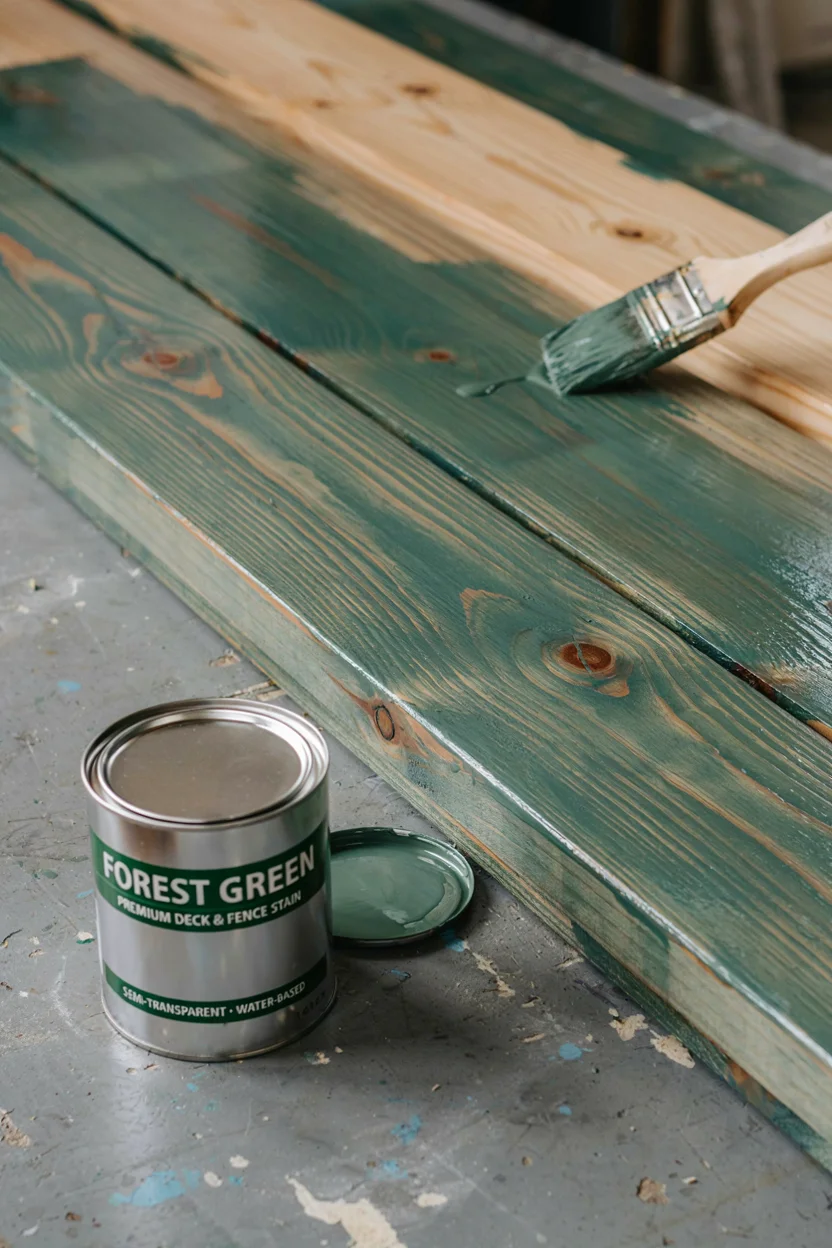
Pressure-treated pine’s uneven coloring and visible knots make it a great candidate for a solid, opaque stain like forest green, which fully covers imperfections rather than highlighting the natural grain. This bold color choice creates a garden-inspired aesthetic that blends seamlessly into lush, plant-filled outdoor spaces.
Solid stains sit on top of the wood rather than penetrating deeply, offering strong protection against moisture and UV damage for less naturally durable woods like pine. This forest green finish requires periodic touch-ups but delivers long-lasting, vibrant color that complements greenery-heavy landscaping beautifully.
13. Teak with Natural Clear Sealant
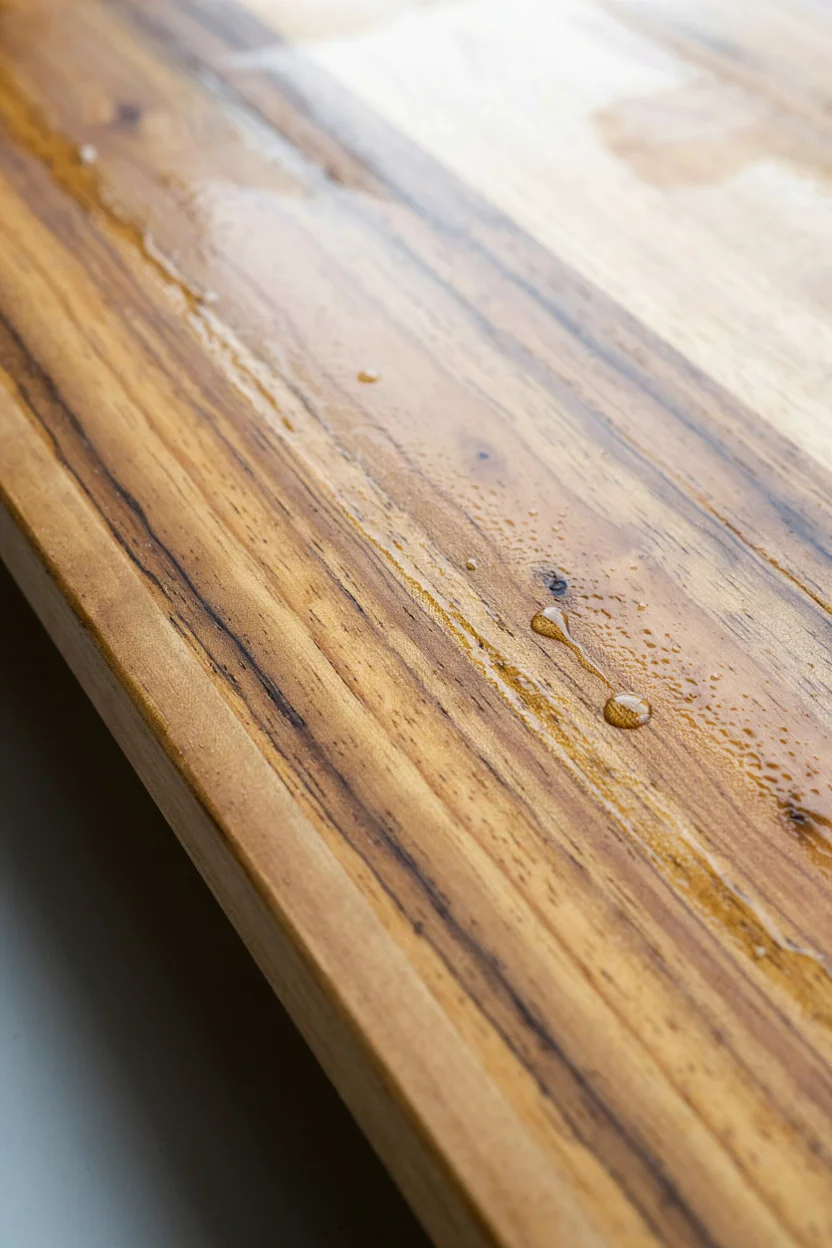
Teak’s naturally rich color and oil content mean it often looks best with minimal intervention, and a clear sealant preserves its signature golden-brown tone without adding any additional pigment. This approach lets the wood’s natural beauty take center stage while still offering protection against sun exposure and moisture over time.
Because teak naturally weathers to a silvery gray if left untreated, a clear UV-protective sealant helps maintain its original warm color for much longer. This finish requires more frequent reapplication than pigmented stains, typically once a year, but rewards that maintenance with an unmatched, natural wood appearance.
14. Mahogany with Espresso Brown Stain
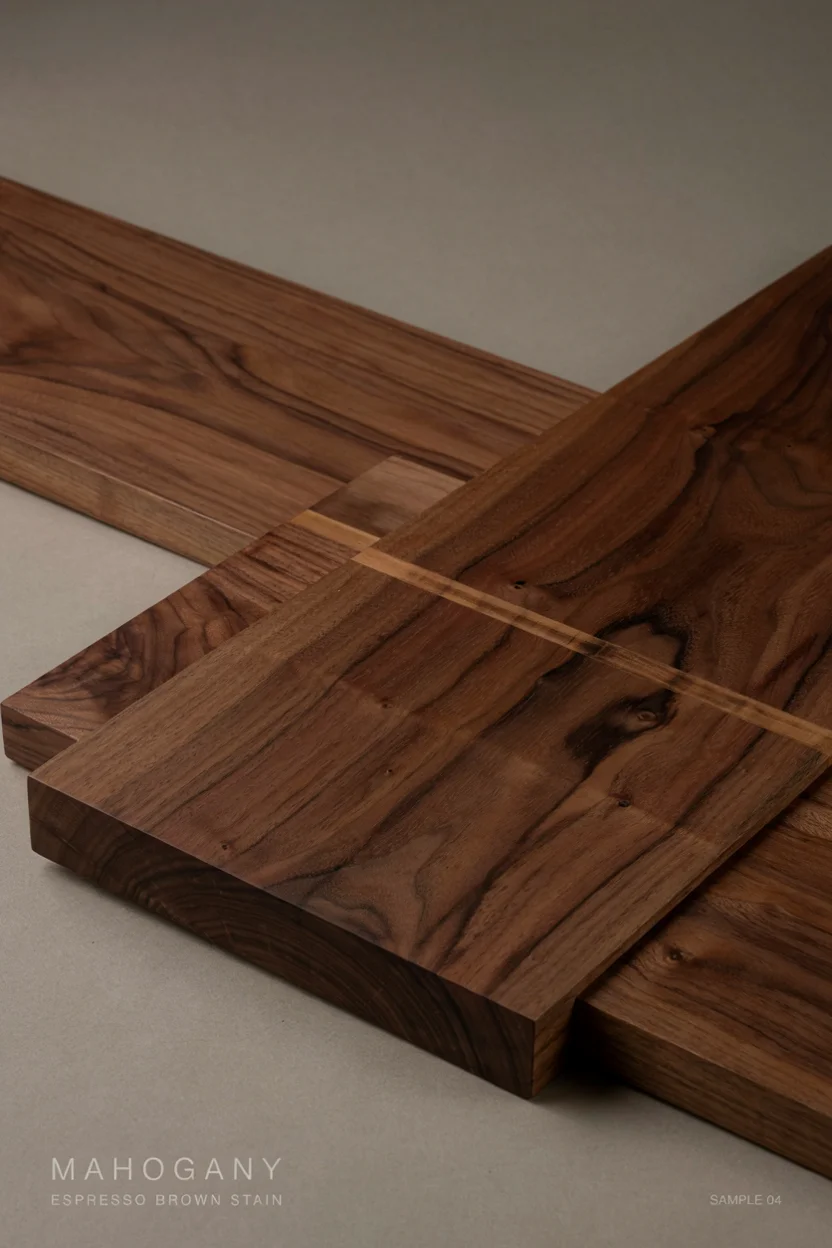
An espresso brown stain takes mahogany’s naturally reddish tones and deepens them into a near-black, sophisticated finish that reads as modern and upscale. This dramatic color choice creates striking contrast against lighter outdoor furniture and landscaping, making it a popular choice for contemporary patio and deck designs.
Because mahogany is a dense hardwood, it holds pigmented stains exceptionally well, resulting in rich, even coverage that resists fading over time. This espresso finish pairs particularly well with metal or cream-toned furniture accents, creating a refined, high-contrast outdoor space that feels intentionally designed.
15. Cedar with Whitewash Stain
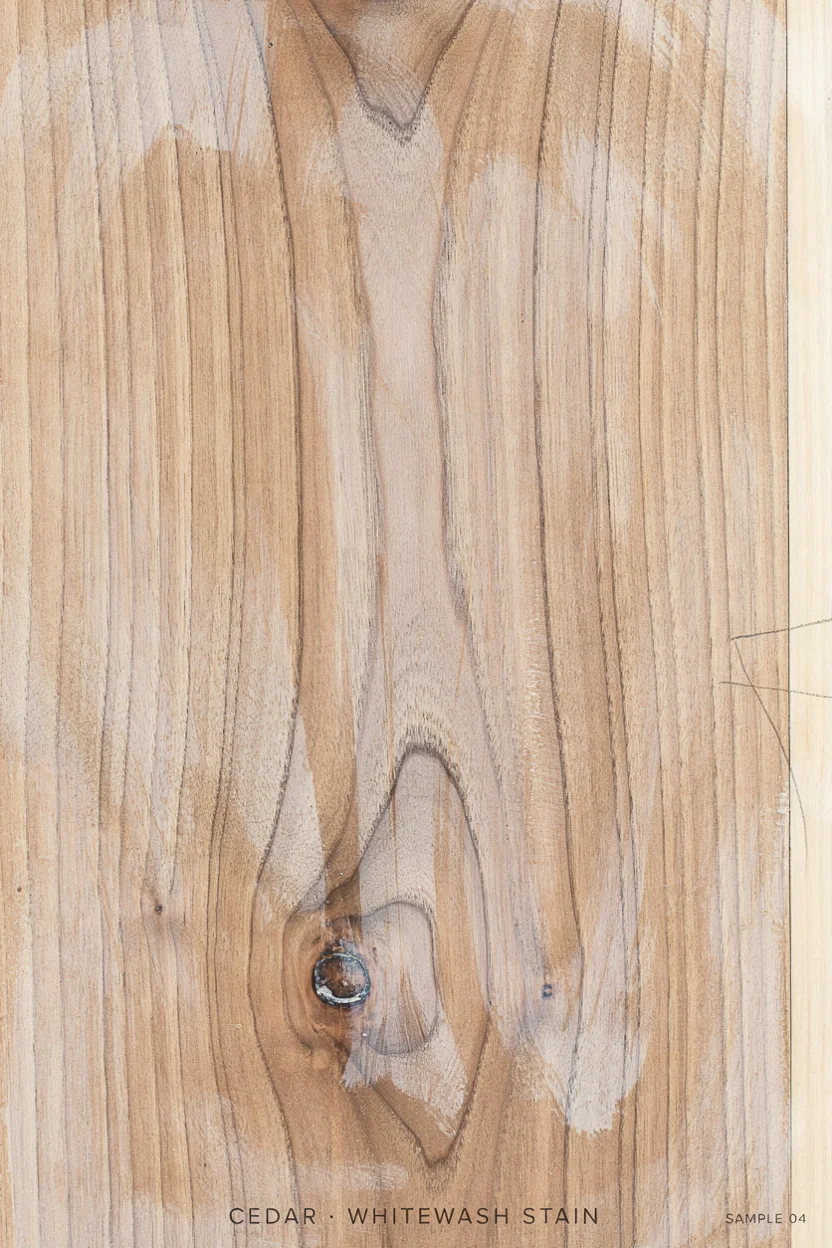
A whitewash stain lightens cedar’s naturally warm tones into a soft, pale finish that feels breezy and coastal rather than rustic. This treatment allows the wood grain to remain subtly visible while dramatically brightening the overall look of the deck, making it especially popular for beach house and cottage-style outdoor spaces.
Because cedar absorbs stain evenly, achieving a consistent whitewash finish is relatively straightforward, though multiple thin coats often work better than one heavy application. This light, airy stain pairs beautifully with blue and white furniture accents, reinforcing a relaxed, seaside aesthetic throughout the deck space.
16. Fir with Golden Oak Stain
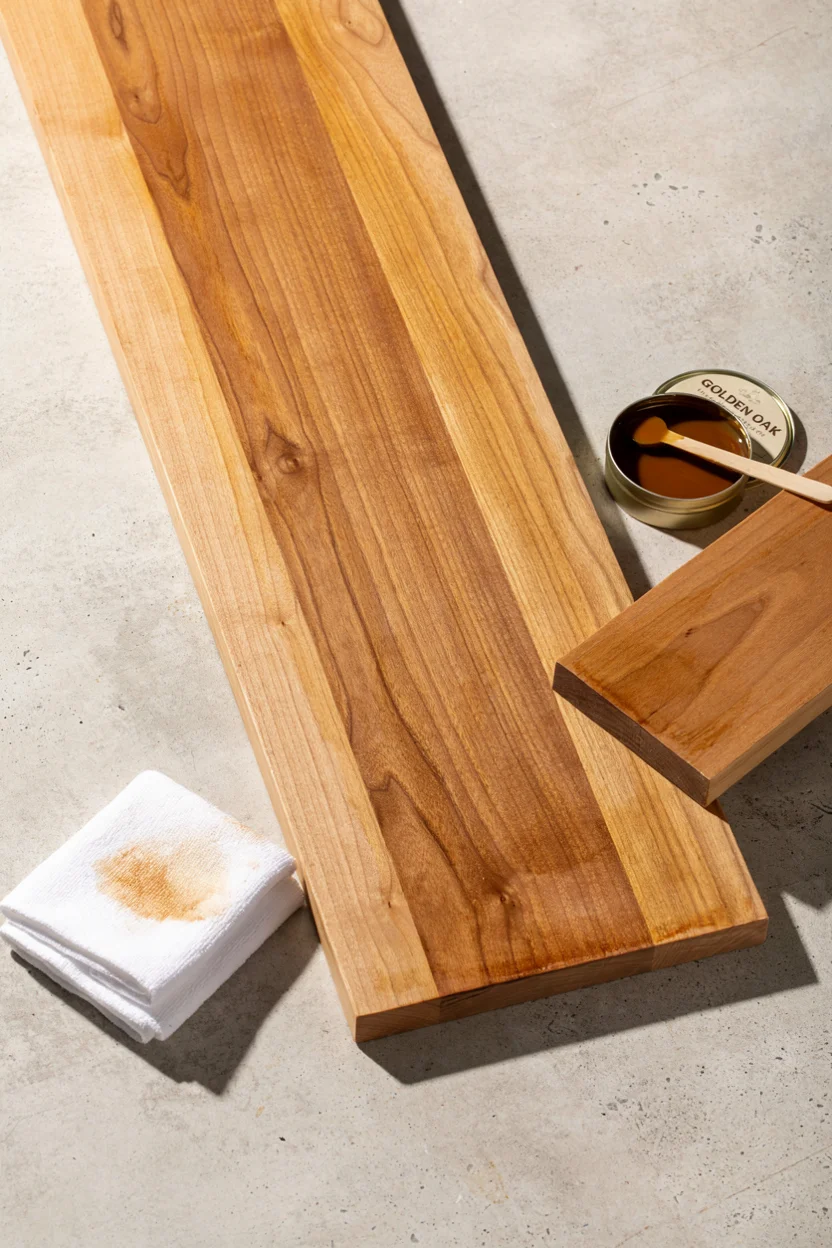
Fir’s light, straight grain takes on a warm, honeyed glow when finished with a golden oak stain, a shade that enhances the wood’s natural characteristics without overwhelming them. This finish creates an inviting, sun-warmed appearance that works particularly well for decks designed around outdoor dining and entertaining spaces.
Because fir is a softer wood, it absorbs stain quickly, so even coverage typically requires careful, consistent application to avoid blotching. Once finished, this golden oak tone pairs beautifully with natural wood furniture and greenery, creating a cohesive, warm outdoor environment that feels welcoming year-round.
17. Pine with Slate Gray Stain
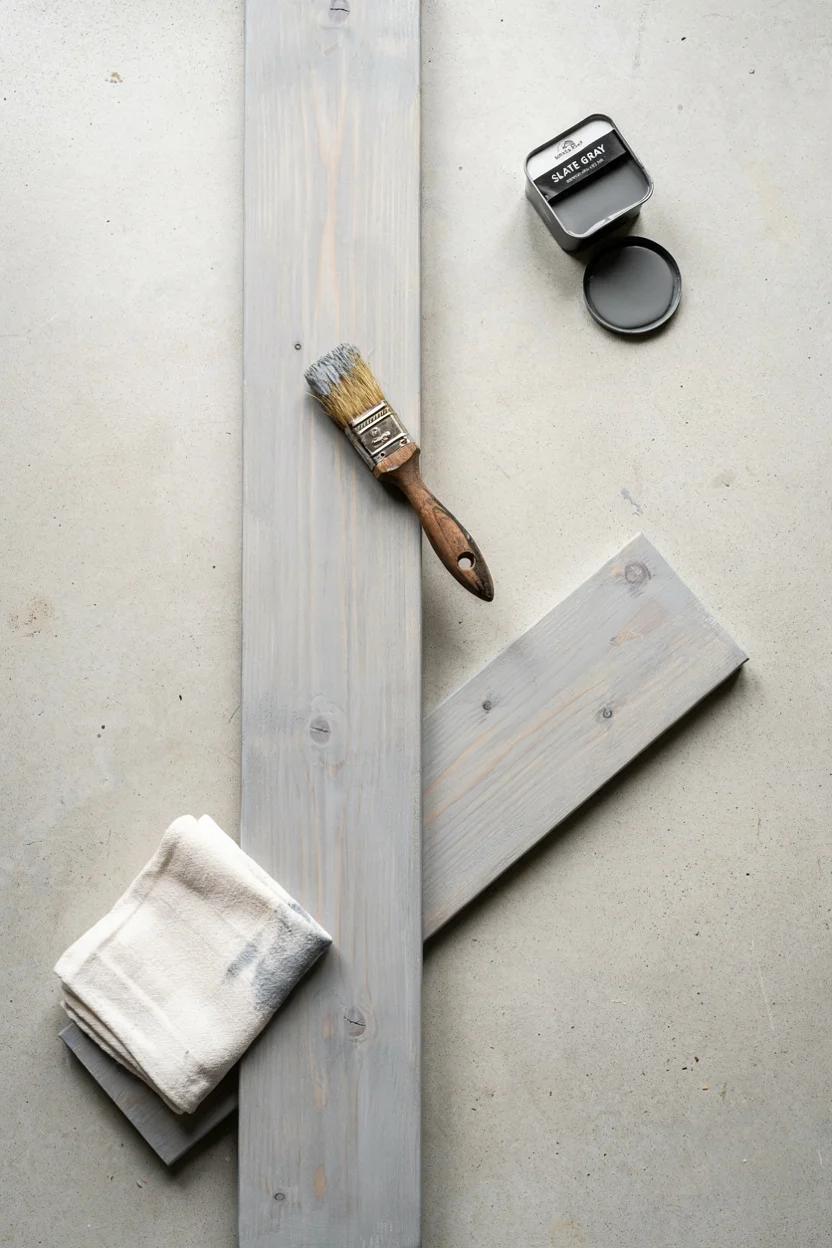
Slate gray stain gives naturally light-toned pine a cool, contemporary finish that feels modern and understated rather than rustic or traditional. This muted color choice works especially well for decks attached to contemporary or minimalist homes, where a neutral, low-key wood tone complements sleek architectural lines.
Because pine is porous and absorbs stain readily, achieving even gray coverage is relatively easy, though a quality semi-transparent formula helps maintain some visible wood texture. This finish pairs well with black or charcoal furniture accents, reinforcing a clean, modern aesthetic throughout the outdoor living space.
18. Redwood with Cinnamon Stain
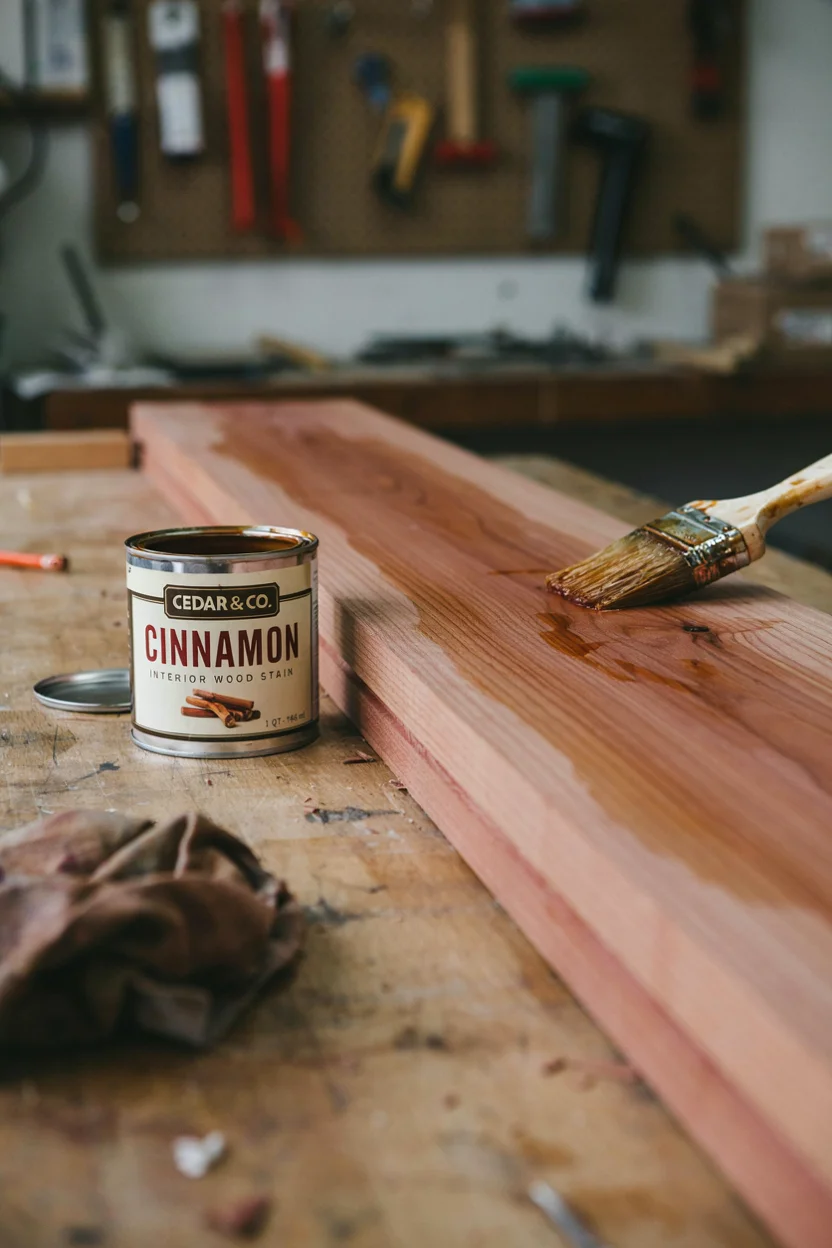
A cinnamon-toned stain enhances redwood’s naturally reddish color with a warm, spiced undertone that feels cozy and inviting rather than overly bold. This finish is particularly popular for decks styled around autumn entertaining or warm, earthy color palettes, pairing beautifully with woven textures and natural fiber furniture.
Because redwood is naturally durable and doesn’t require heavy pigmentation for protection, a semi-transparent cinnamon stain allows the wood’s grain to remain visible while still deepening its overall tone. This finish ages gracefully over time, developing a rich patina that only enhances its warm, welcoming character.
19. Ipe with Teak Oil Finish
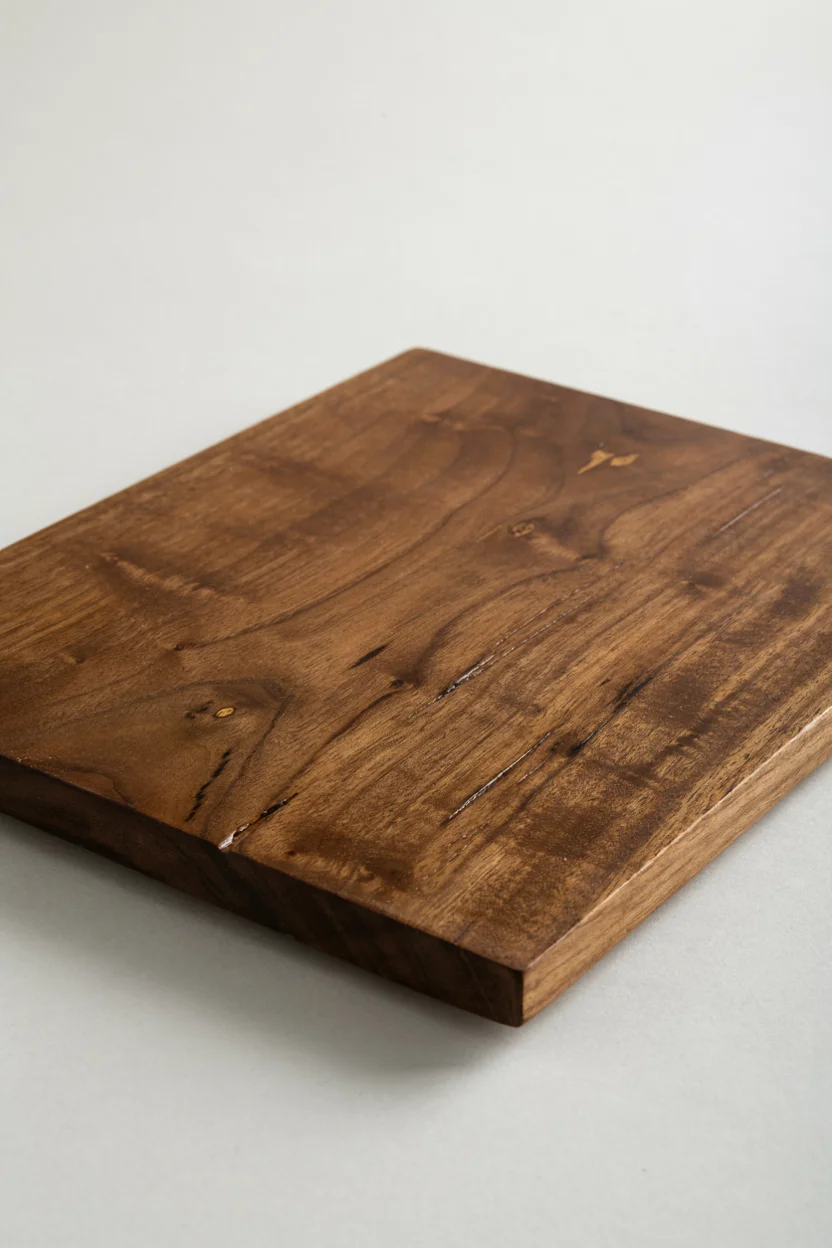
Teak oil is a popular finishing choice for ipe because it deepens the wood’s naturally dark brown color while adding a subtle, low-luster sheen that highlights its density and fine grain. This treatment enhances ipe’s already premium appearance, making it a favorite for high-end decks designed around sophisticated outdoor entertaining.
Because ipe is extremely dense, teak oil penetrates slowly but effectively, requiring patience during application for even coverage across the surface. Reapplying this oil finish annually helps maintain ipe’s rich, dark tone and glossy appearance, preventing the wood from fading to its natural silver-gray over time.
20. Spruce with Cedar-Tone Semi-Transparent Stain
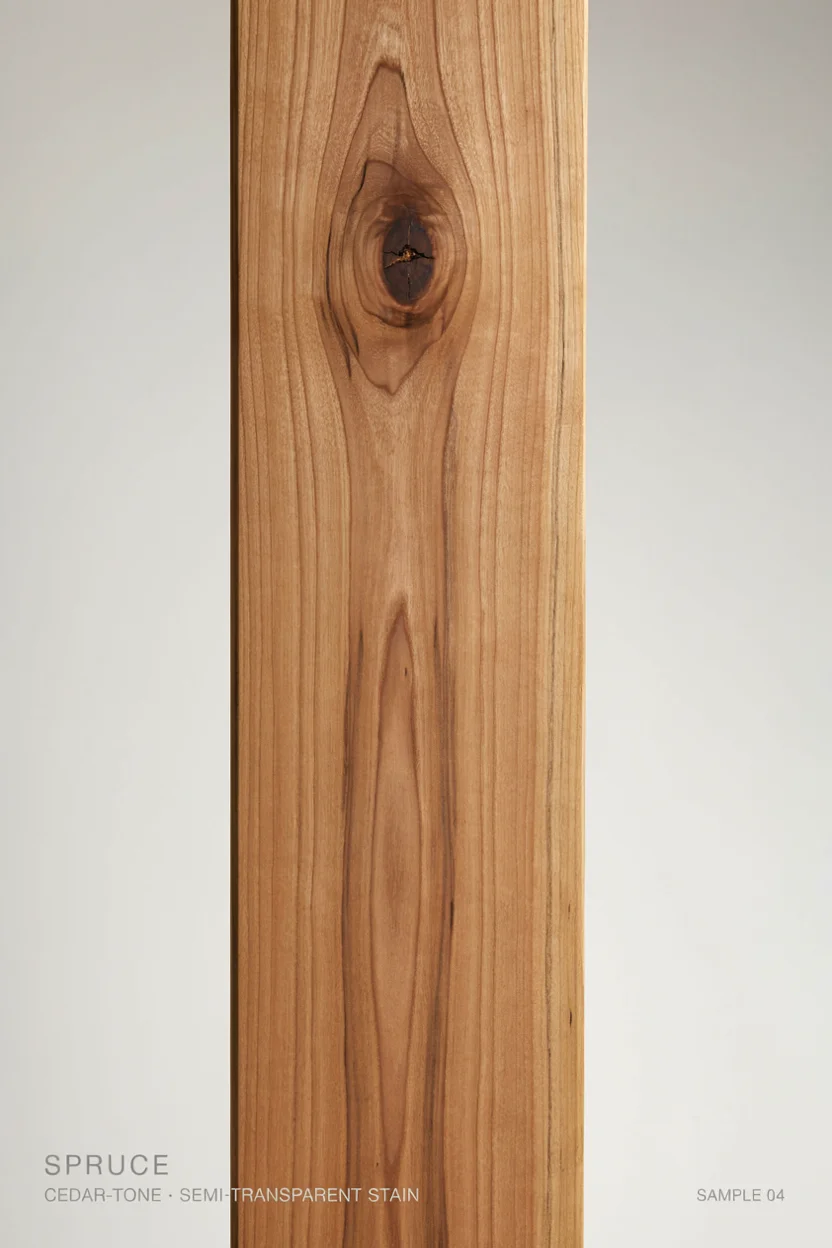
Spruce’s naturally pale tone can appear somewhat flat without treatment, but a cedar-tone semi-transparent stain warms the wood considerably, giving it a richer, more dimensional appearance similar to true cedar decking. This budget-friendly pairing allows spruce to mimic pricier wood species while still showing off its natural grain pattern.
Because spruce is relatively soft and porous, it absorbs semi-transparent stains quickly and evenly, making this an accessible DIY-friendly finish for most deck owners. The warm cedar tone pairs particularly well with relaxed, boho-inspired outdoor furniture, creating an inviting space that feels cohesive and intentional.
21. Cedar with Coastal Blue-Gray Stain
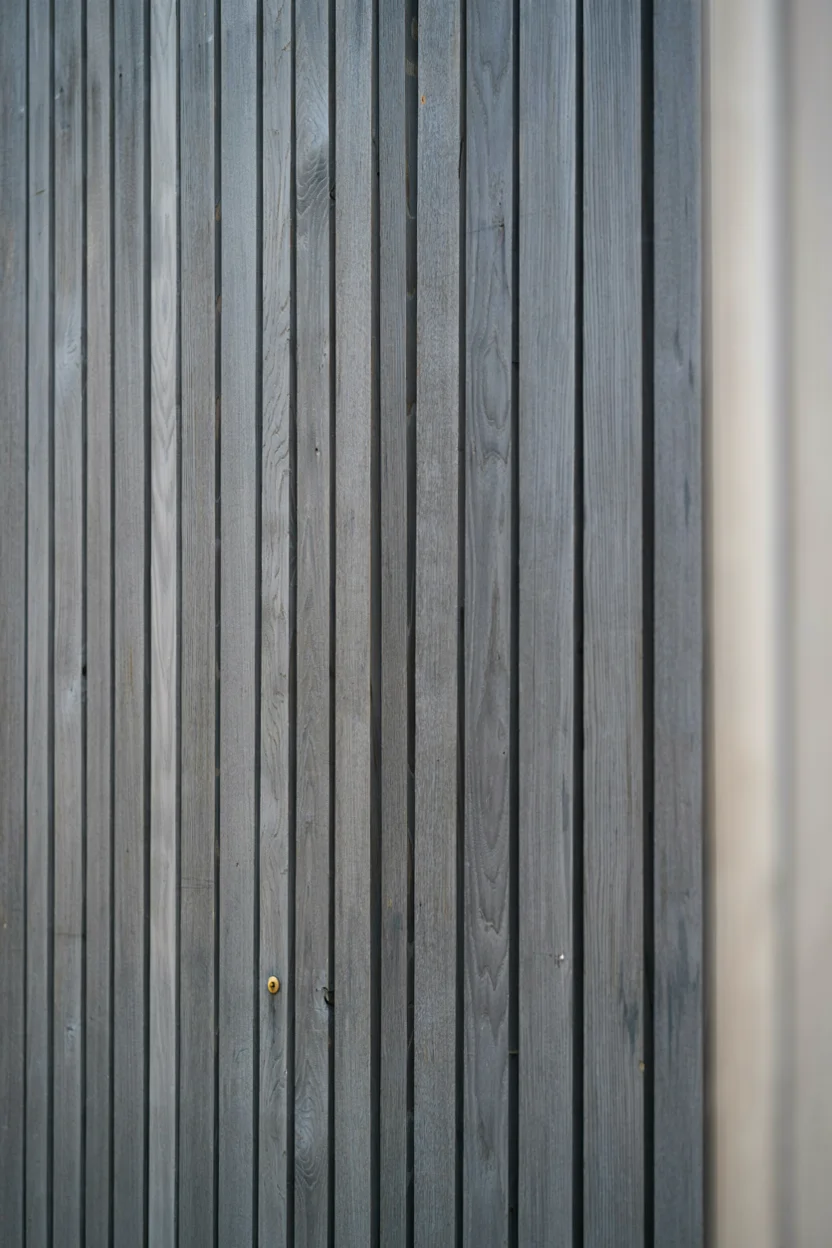
A coastal blue-gray stain transforms cedar’s warm natural tones into a cool, weathered finish that evokes classic seaside architecture and shingle-style homes. This distinctive color choice stands out from more traditional wood-tone stains, making it a popular pick for decks designed around a nautical or New England coastal aesthetic.
Because cedar absorbs stain evenly, achieving a consistent blue-gray finish is straightforward, and the tone tends to weather beautifully over time, developing subtle variation that enhances its coastal character. This stain pairs particularly well with white and navy furniture accents, reinforcing the deck’s breezy, seaside-inspired atmosphere.
22. Mahogany with Natural Reddish-Brown Stain
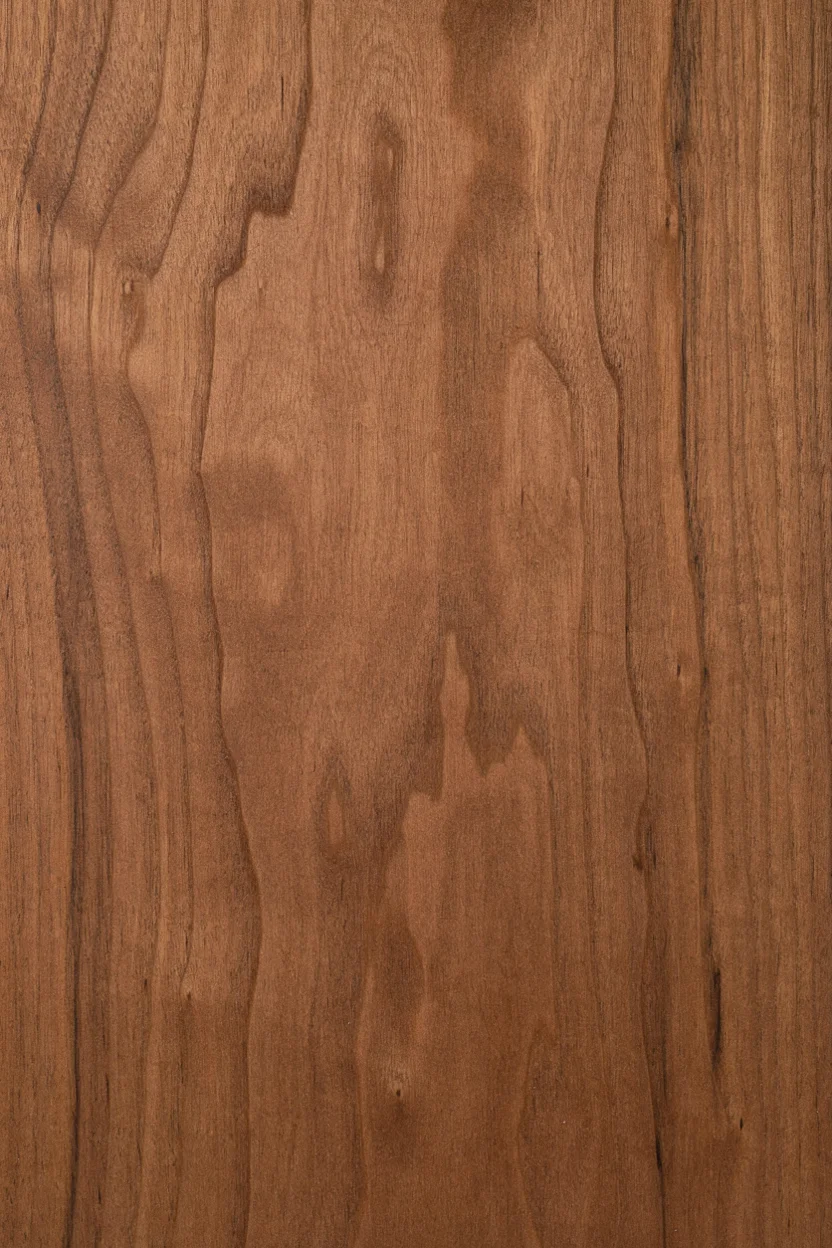
A natural reddish-brown stain works with mahogany’s inherent color rather than dramatically altering it, offering protection while preserving the wood’s signature warm, sophisticated tone. This understated approach allows mahogany’s natural beauty and fine grain to remain the star of the deck, without introducing an artificial or overly processed look.
Because mahogany is naturally dense and rot-resistant, this lighter-pigment stain still provides ample UV and moisture protection without requiring heavy reapplication. This finish suits decks designed for elegant outdoor entertaining, where the wood’s natural richness complements refined furniture and warm ambient lighting beautifully.
23. Pressure-Treated Pine with Tudor Brown Stain
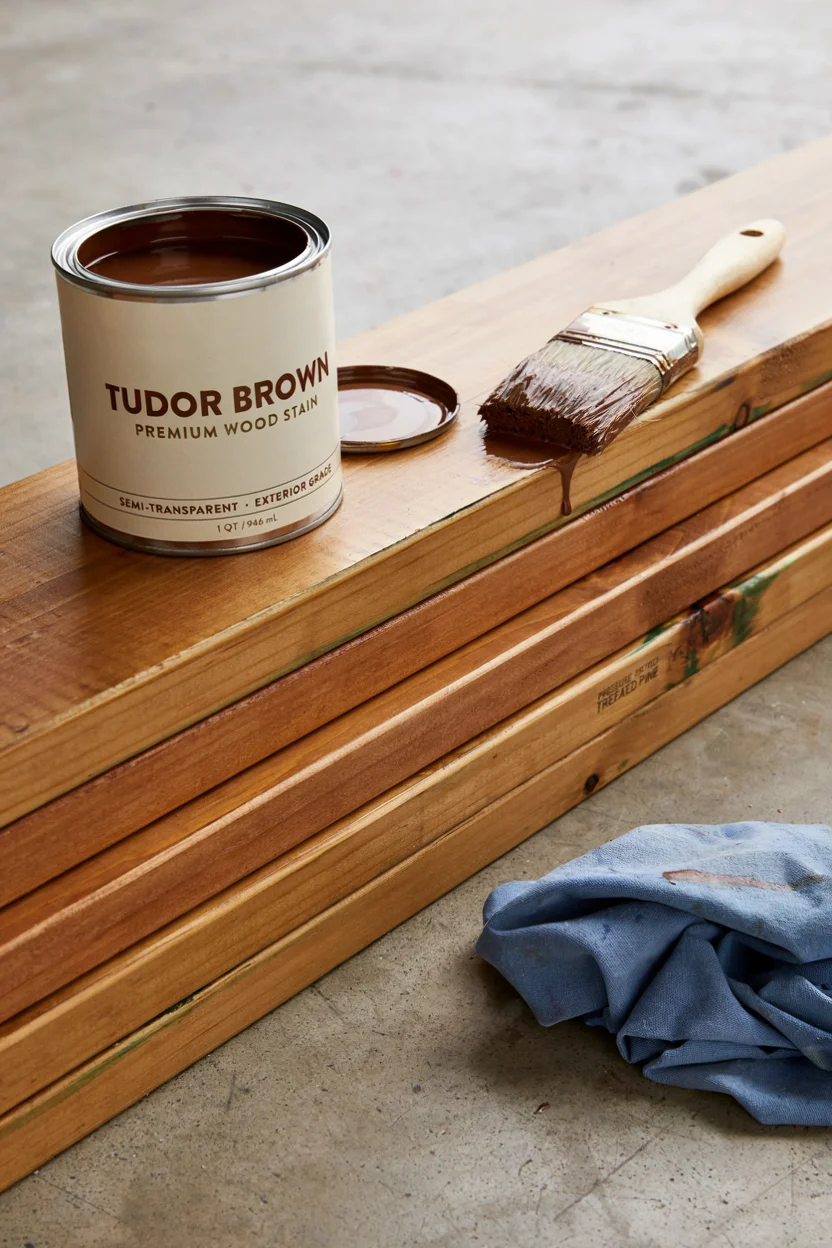
Tudor brown stain offers pressure-treated pine a deep, traditional wood tone that effectively conceals knots, stains, and the greenish cast common to treated lumber. This rich, classic color choice suits traditional outdoor spaces styled with stone features, Adirondack furniture, and other timeless design elements that call for warm, substantial wood tones.
Because pressure-treated pine is prone to uneven stain absorption, a semi-solid Tudor brown formula provides more consistent coverage than a fully transparent option while still showing subtle wood texture. This finish holds up well over time, offering both durability and a classic, traditional deck appearance.
24. Teak with Weathered Silver-Gray Stain
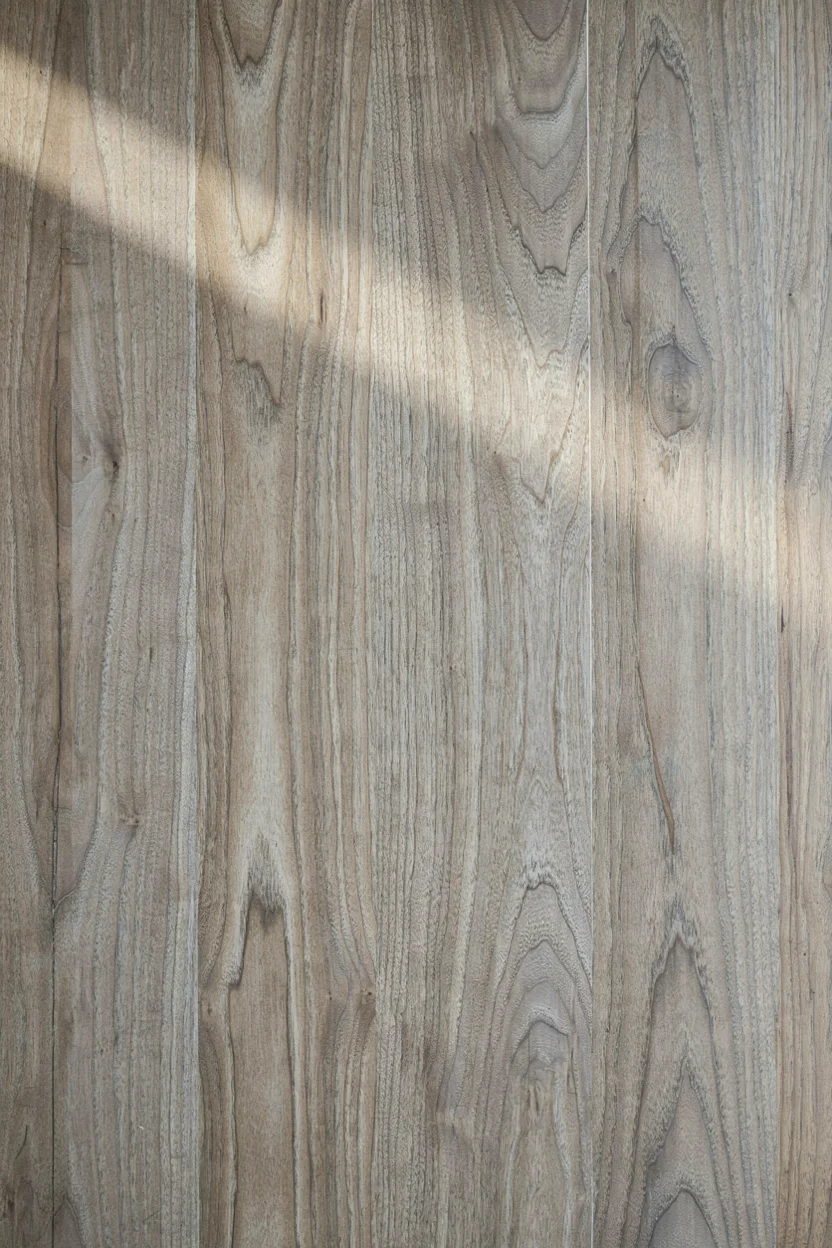
Teak naturally weathers to a silvery gray over time when left untreated, and a specially formulated silver-gray stain replicates that aged patina in a more even, controlled way from the start. This finish appeals to homeowners who love the look of weathered teak but want consistent, predictable coverage across the entire deck.
Because this stain mimics teak’s natural aging process, it tends to require less frequent touch-ups than color-restoring finishes, since any additional weathering blends naturally with the existing gray tone. This understated, Scandinavian-inspired finish pairs beautifully with minimalist furniture and simple greenery for a calm, cohesive outdoor space.
Conclusion
Choosing a deck stain color isn’t just about picking a shade you love, it’s about understanding how your specific wood type will take that color and hold up over time. Whether you’re warming up pressure-treated pine, preserving teak’s natural glow, or going bold with charcoal on cedar, these 24 pairings offer a starting point for a finish that looks intentional and lasts. Save this guide before your next staining project.

Join The Discussion