
Introduction
The future of home design isn’t cold or robotic — it’s warm, calm, and quietly intelligent. Today’s smartest homes blend natural textures, soft lighting, and thoughtful technology to create spaces that feel like a retreat, not a control panel. From adaptive lighting to biophilic corners and voice-controlled comfort, these future home ideas prove that innovation and coziness can coexist beautifully. Whether you’re planning a full renovation or just dreaming for your next Pinterest board, these 20 ideas will inspire a home that feels as good as it functions
1. Smart Lighting That Adapts to Your Mood
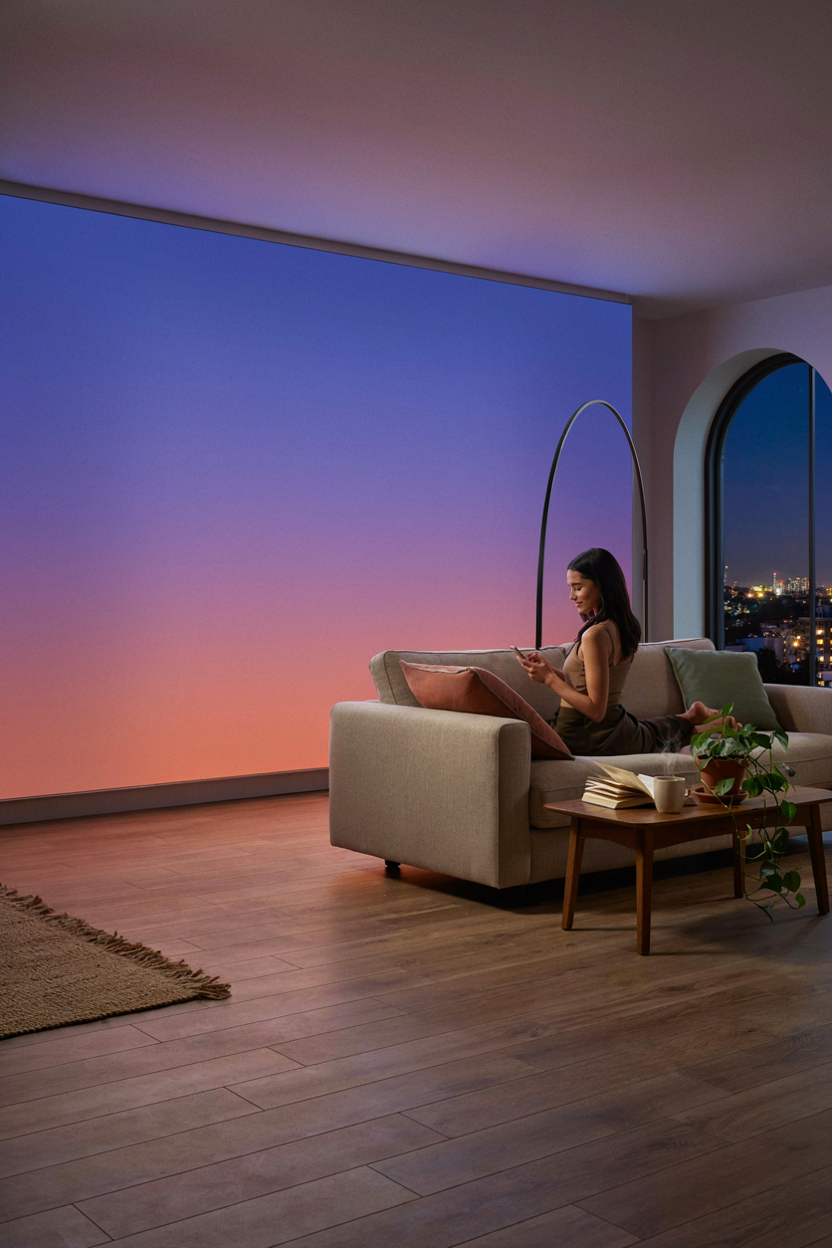
Future home ideas often start with lighting, since it shapes how a room feels before anything else is noticed. Smart bulbs that shift from cool white in the morning to warm amber at night help the body settle into a natural rhythm. Instead of a single switch, homeowners now control brightness, color, and timing through simple apps or voice commands.
This kind of lighting turns an ordinary room into a calm retreat without extra effort. A gentle glow during dinner, brighter light for focused work, and dim warmth before bed all happen automatically. It’s a small upgrade that makes a home feel more intentional, more responsive, and genuinely more comfortable to live in every single day.
2. Voice-Controlled Kitchens for Effortless Living

Kitchens are becoming quieter and more efficient thanks to voice technology. A simple request can preheat the oven, start a timer, or read out a recipe while hands stay busy chopping vegetables. This hands-free approach removes small frustrations that used to interrupt cooking and makes the whole experience feel smoother.
Beyond convenience, voice-controlled kitchens support a calmer household rhythm. Families can set reminders, check grocery lists, or play soft background music without reaching for a phone. As future home ideas continue evolving, this kind of seamless assistance turns meal prep into something relaxed rather than rushed, blending warmth with genuine everyday practicality.
3. Cozy Reading Nooks with Smart Temperature Control
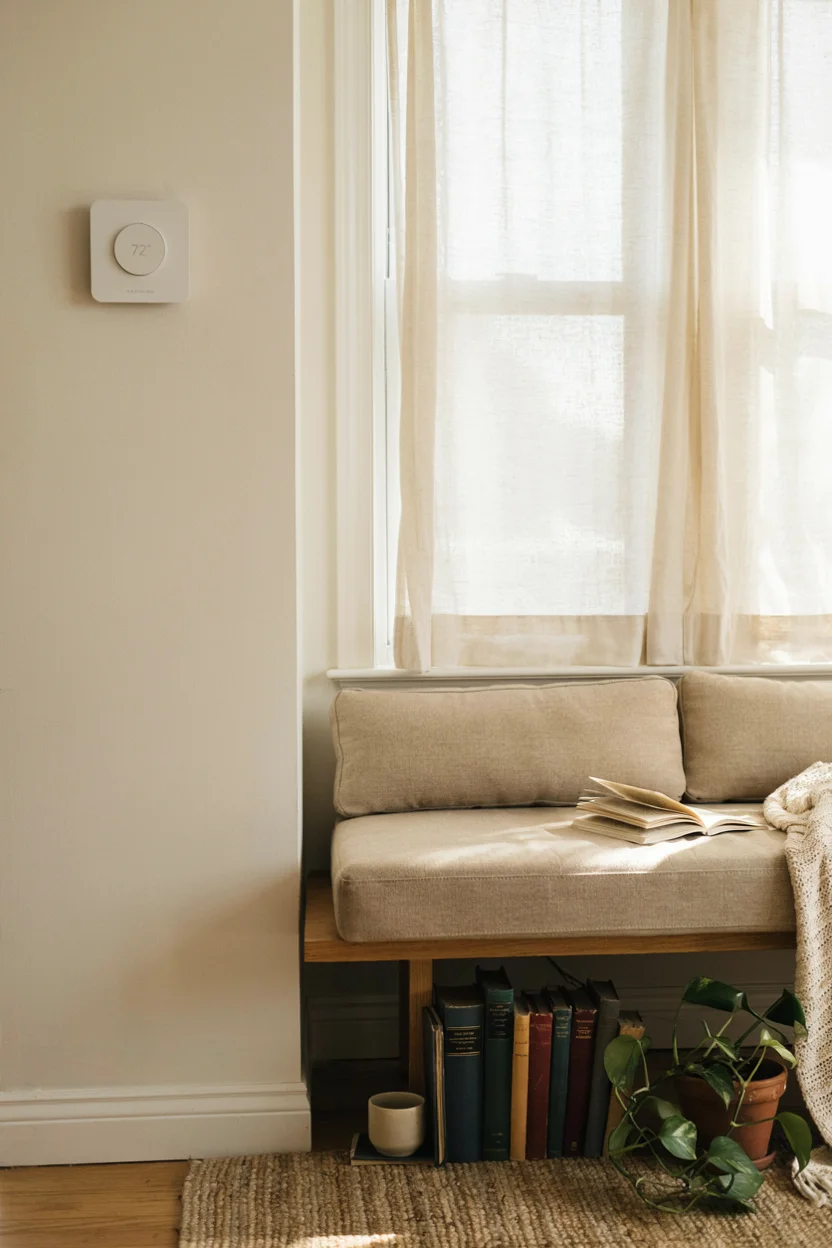
A dedicated reading nook is one of the simplest future home ideas that still feels deeply personal. Paired with smart climate sensors, the space stays perfectly warm in winter and cool in summer without constant adjusting. This creates a spot that always feels inviting, no matter the season outside.
The comfort goes beyond temperature. Soft textures, good natural light, and a quiet corner away from noise give the mind room to slow down. Smart sensors learn preferences over time, adjusting airflow subtly so the nook always feels right. It becomes a small sanctuary built around comfort, quiet, and thoughtful technology.
4. Biophilic Living Rooms That Bring Nature Indoors
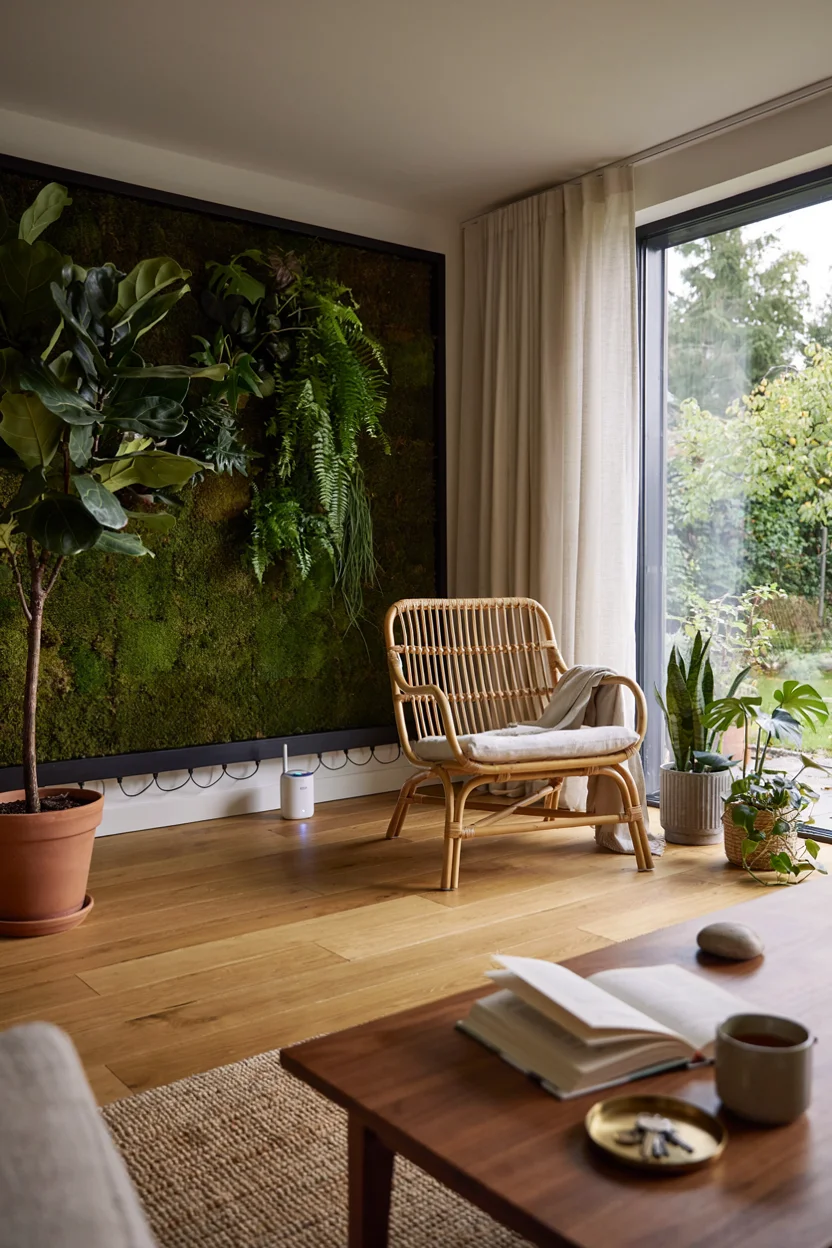
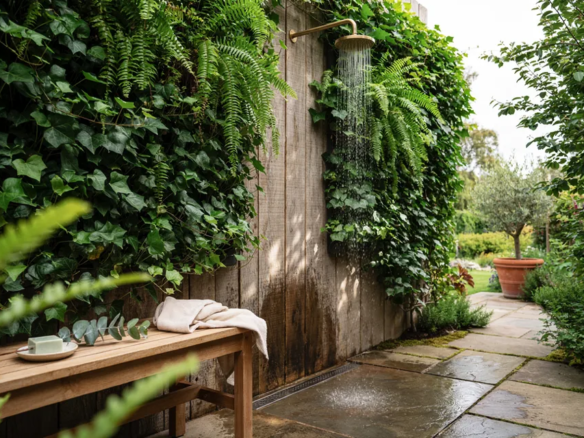
Bringing nature indoors is a timeless idea now enhanced by smart technology. Living walls, potted greenery, and natural materials soften a space instantly, while automated watering systems keep plants healthy without daily attention. This blend of organic texture and quiet automation defines many modern future home ideas.
The result is a living room that feels alive rather than sterile. Greenery improves air quality and mood, while smart sensors monitor soil moisture and light exposure behind the scenes. Homeowners get the calming benefits of nature without the guesswork, creating a space that feels both grounded in the earth and quietly intelligent.
5. Minimalist Bedrooms with Sleep-Tracking Technology
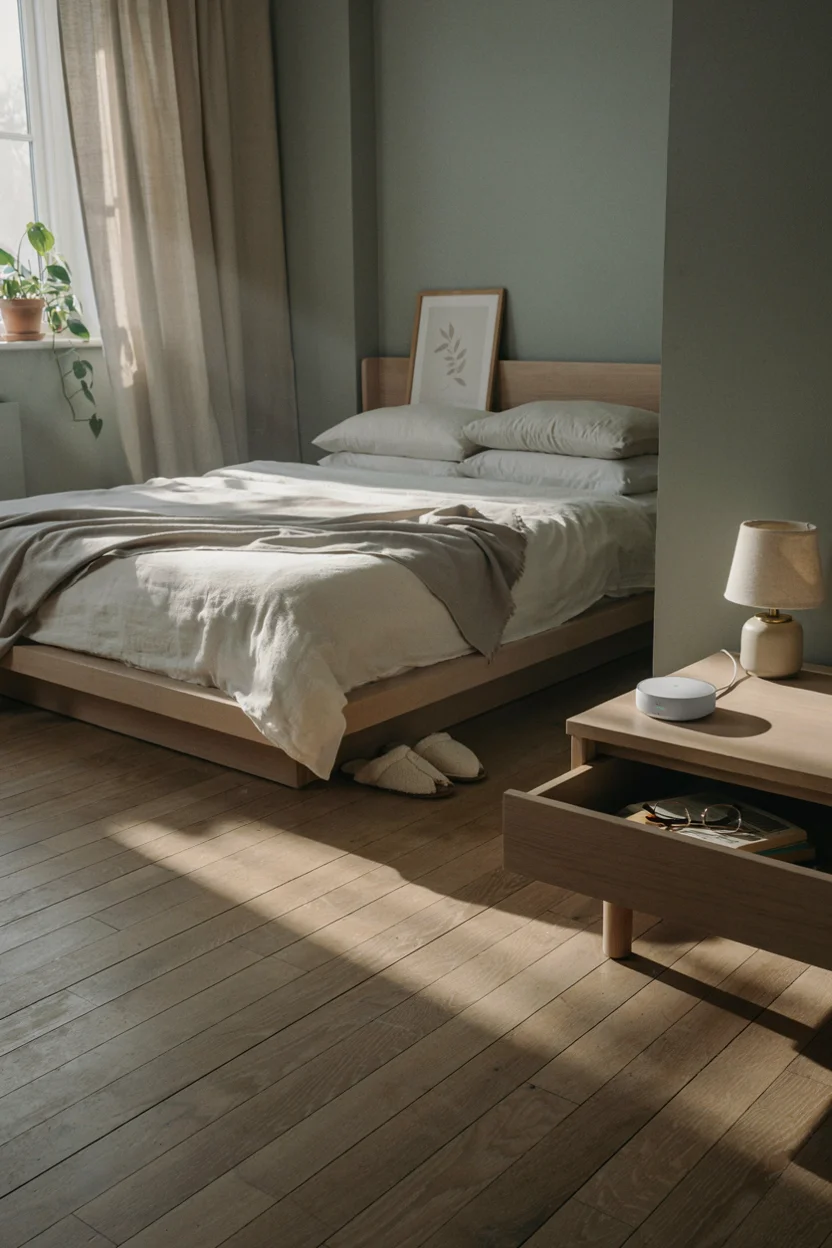
Minimalist bedrooms are built around calm, and sleep-tracking technology adds a smart layer to that peace. Devices placed under the mattress or on the nightstand quietly monitor sleep cycles, room temperature, and even noise levels, offering insights each morning without disrupting the simplicity of the space.
Instead of clutter, these rooms rely on a few thoughtful, functional pieces. The technology stays hidden, syncing with an app rather than sitting visibly on display. This approach reflects where future home ideas are heading: fewer objects, more intention, and rooms designed to genuinely support rest rather than distract from it.
6. Warm Wood Accents in High-Tech Spaces
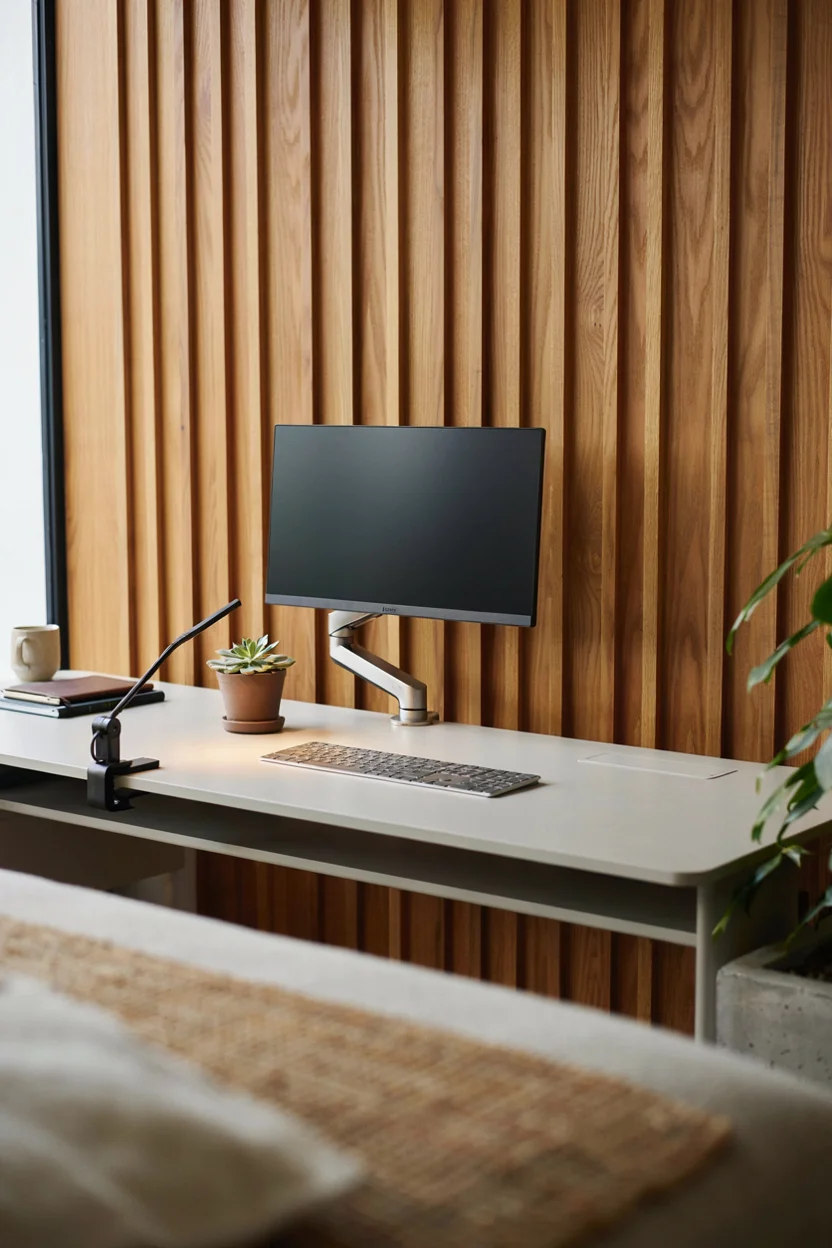
Technology often feels cold, but wood accents bring warmth back into high-tech rooms. Oak shelving, walnut desks, and timber ceiling beams soften the presence of screens, sensors, and smart panels. This pairing has become a defining trait among future home ideas, balancing innovation with a natural, grounded feeling.
Designers increasingly favor this contrast because it keeps smart spaces from feeling sterile or impersonal. A wood-framed smart mirror or a walnut-cased speaker still performs its function while contributing texture and character to the room. The result is a home that feels advanced yet familiar, efficient yet genuinely comfortable to spend time in.
7. Smart Thermostats for Year-Round Comfort
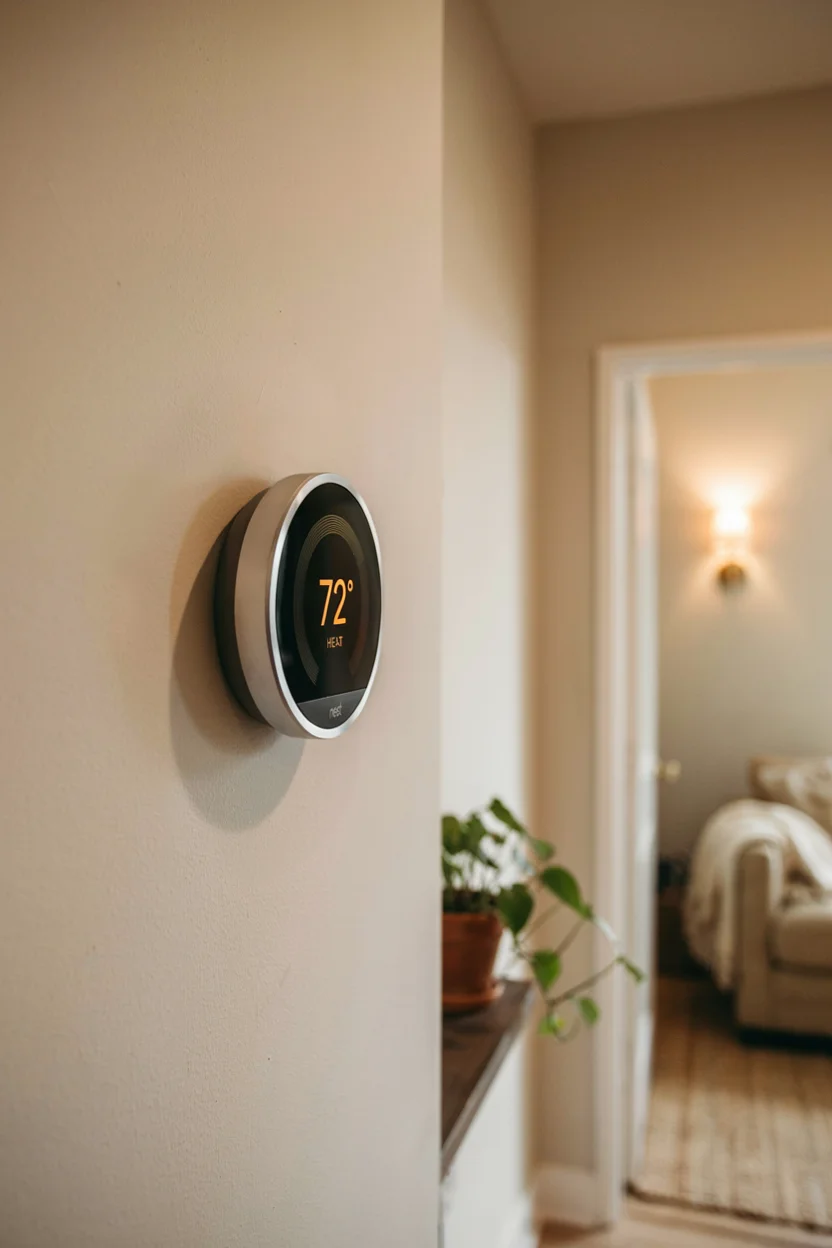
Smart thermostats have quietly become one of the most practical future home ideas available today. They learn daily routines, adjusting temperature automatically based on when people wake up, leave for work, or settle in for the evening. This removes the need for constant manual changes throughout the day.
Beyond convenience, these devices help lower energy use by avoiding unnecessary heating or cooling when rooms are empty. Many sync with phone locations, so the home warms up right before someone arrives back. It’s a subtle upgrade that keeps every room feeling consistently comfortable while quietly supporting a more efficient household.
8. Calming Color Palettes for Modern Homes
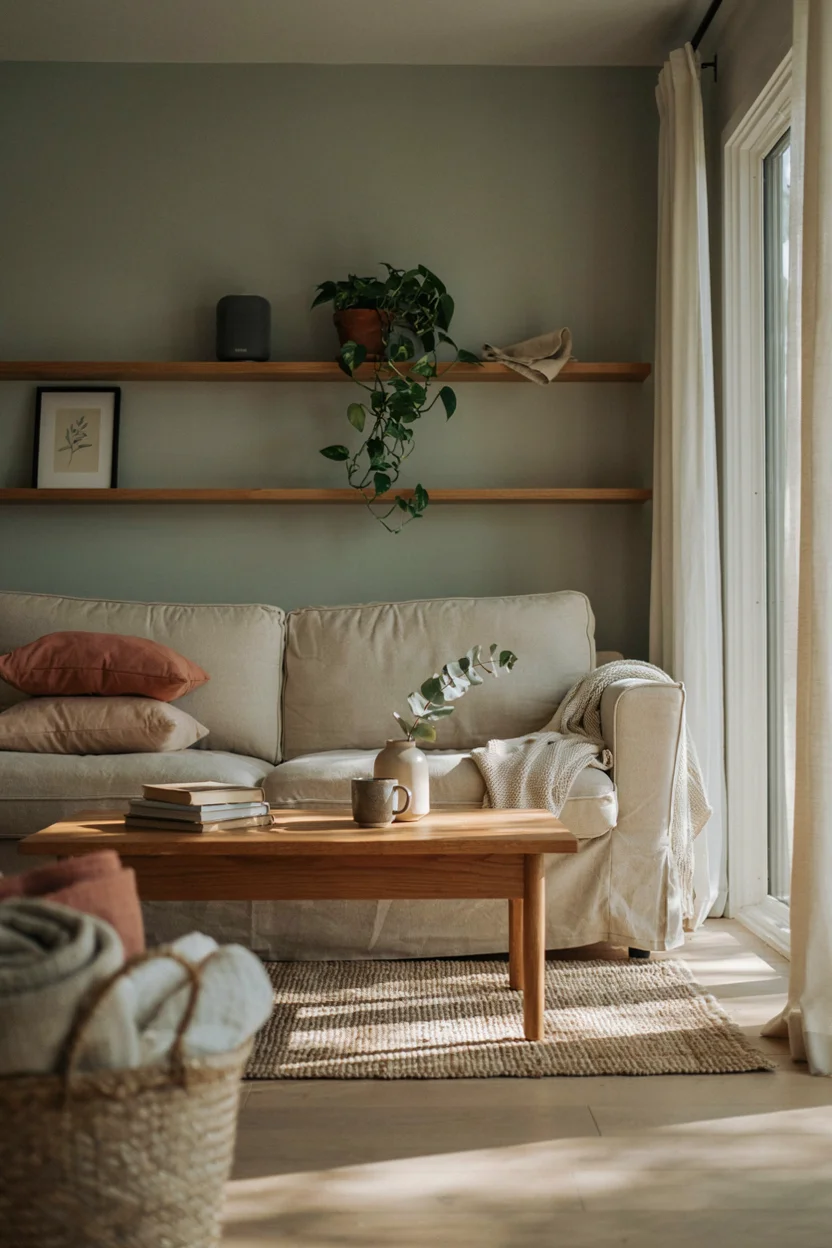
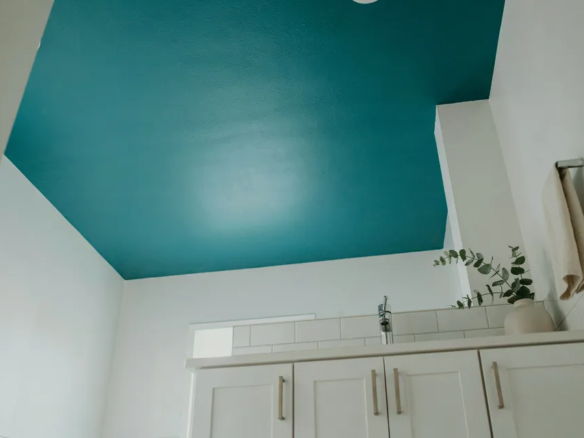
Color plays a major role in how a home feels day to day. Soft sage, warm cream, muted terracotta, and gentle greys create a sense of calm that busier, brighter palettes can’t offer. These tones pair naturally with smart technology, since neutral backgrounds let sleek devices blend in rather than stand out.
Many future home ideas now start with palette planning before any technology is added. A calming color scheme sets an emotional tone that smart features then support, whether through adjustable lighting or climate control. Together, they create rooms that feel peaceful first, with intelligence working quietly in the background.
9. Automated Blinds That Follow the Sunlight
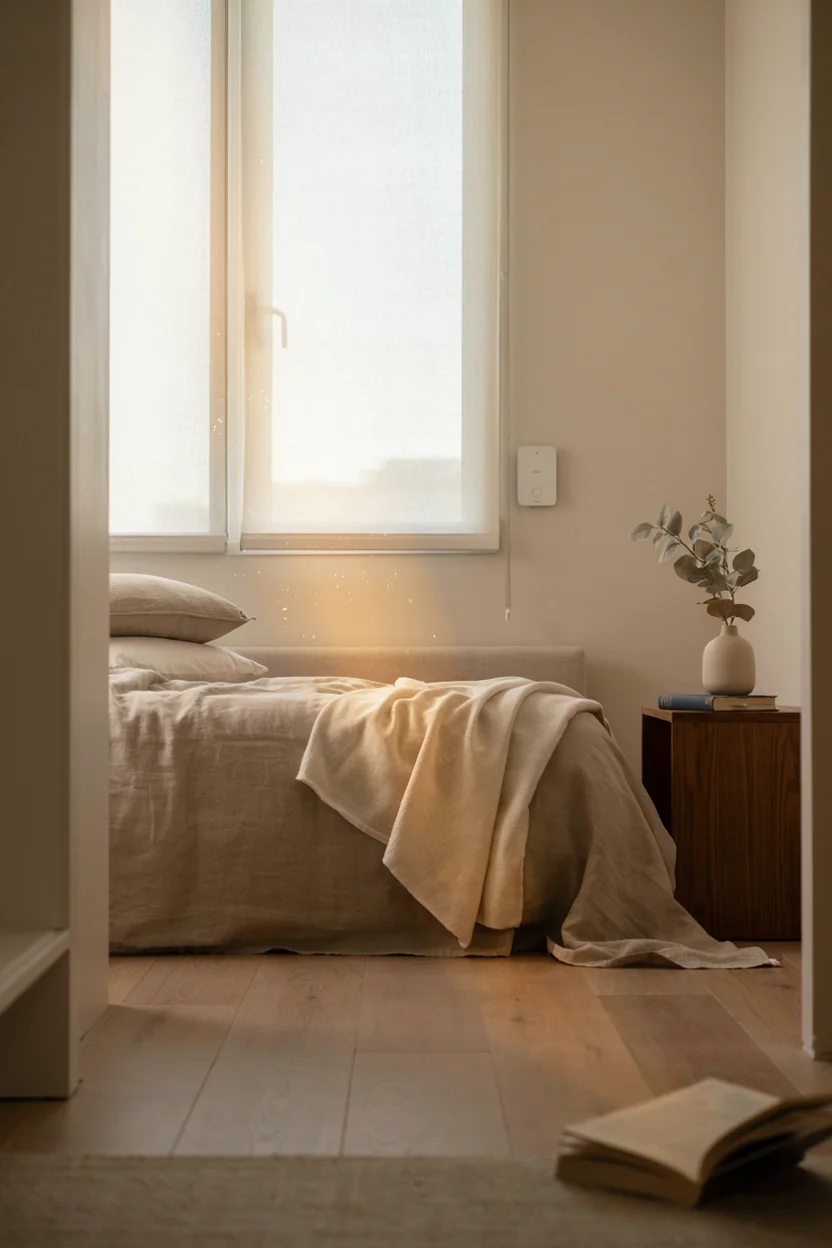
Automated blinds represent a small but meaningful shift in how homes respond to their environment. Instead of manually adjusting curtains throughout the day, sensors track sunlight and gradually open or close blinds to maintain comfortable brightness and temperature. This kind of responsiveness is central to many future home ideas.
The benefit extends beyond convenience alone. Consistent natural light exposure supports better mood and sleep patterns, while reduced glare protects furniture and flooring from sun damage over time. Paired with a timer, blinds can even simulate presence while away, adding a quiet layer of both comfort and everyday security.
10. Home Offices Designed for Focus and Comfort
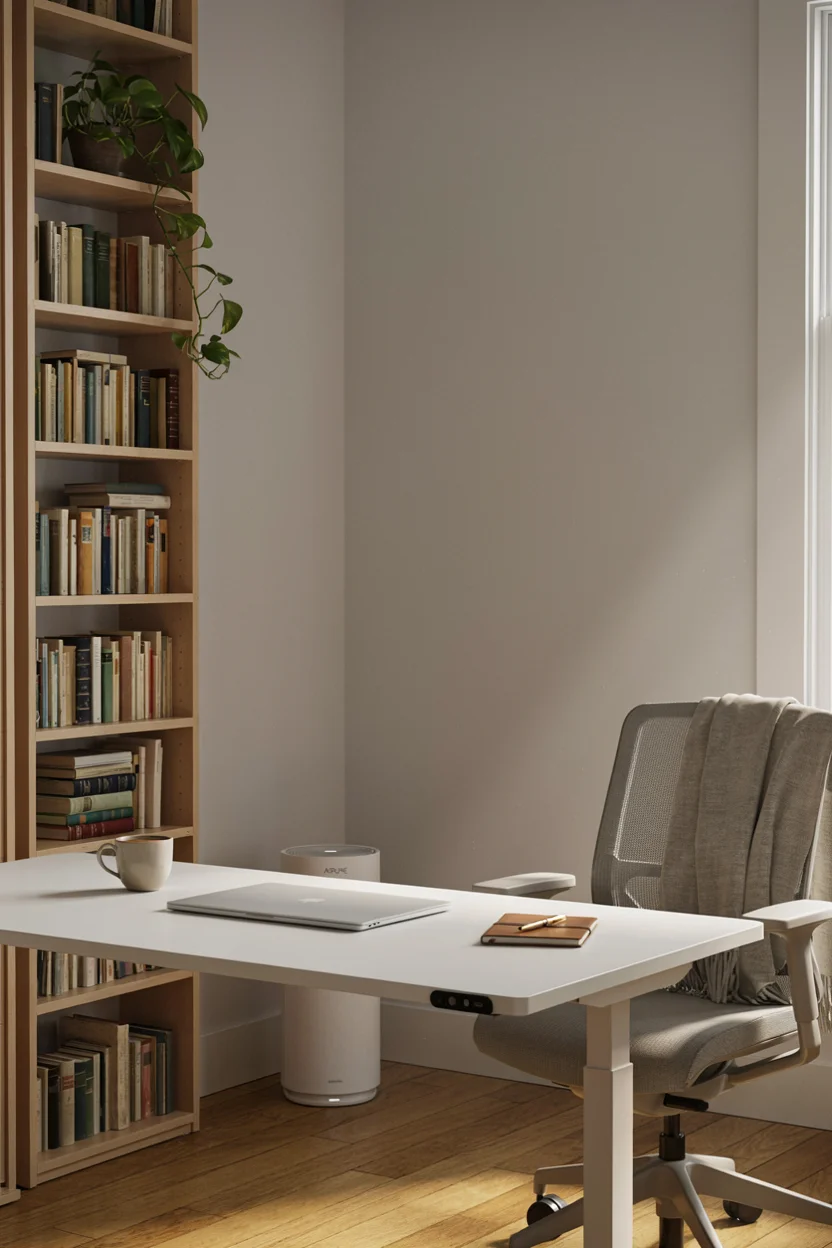
As remote work continues, home offices are being redesigned around genuine comfort rather than just function. Height-adjustable desks, ergonomic seating, and warm natural materials help reduce physical strain during long work hours. This shift reflects how future home ideas increasingly prioritize wellbeing alongside productivity in everyday work spaces.
Smart features quietly support this balance. Desks that remember preferred sitting and standing heights, air purifiers that maintain fresh air, and adjustable lighting that reduces eye strain all work together. The goal isn’t a flashy tech showcase, but a space that feels calm, supportive, and genuinely easier to focus in daily.
11. Smart Mirrors in Serene Bathrooms
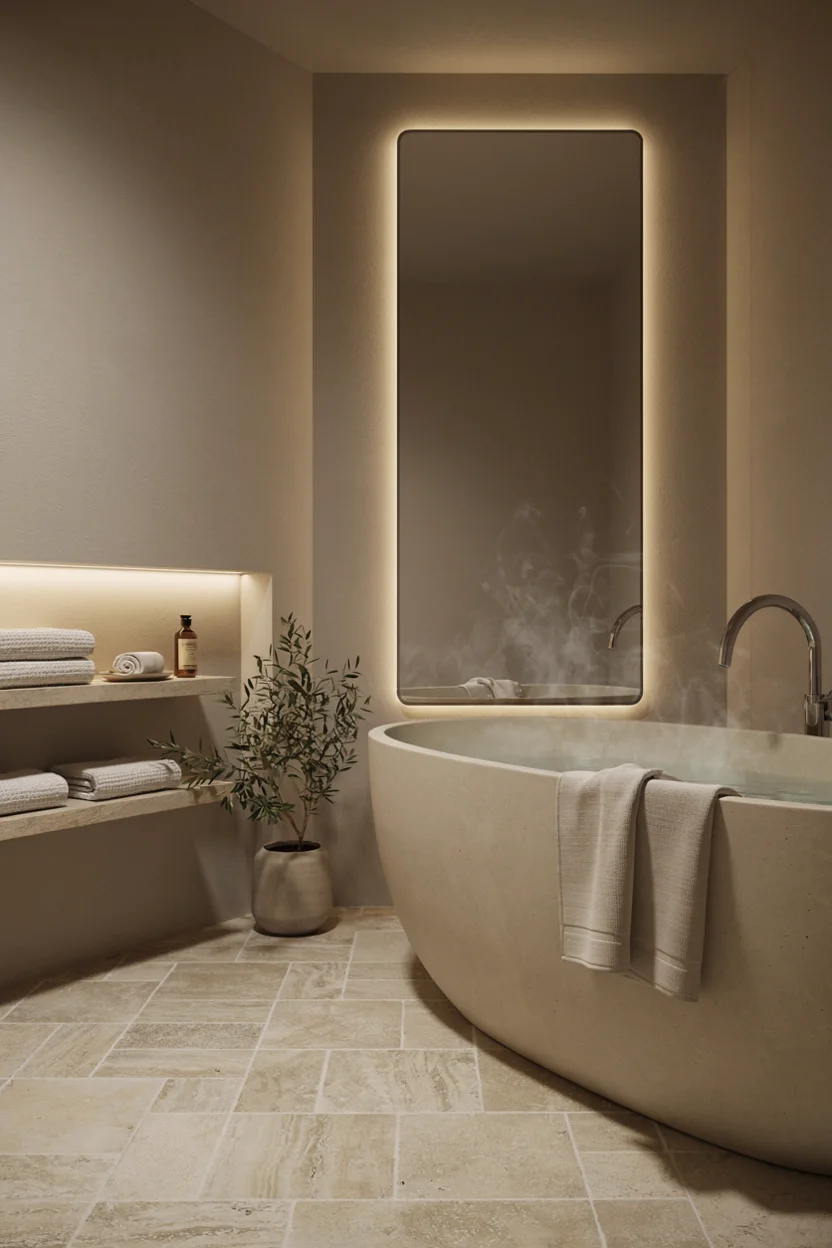
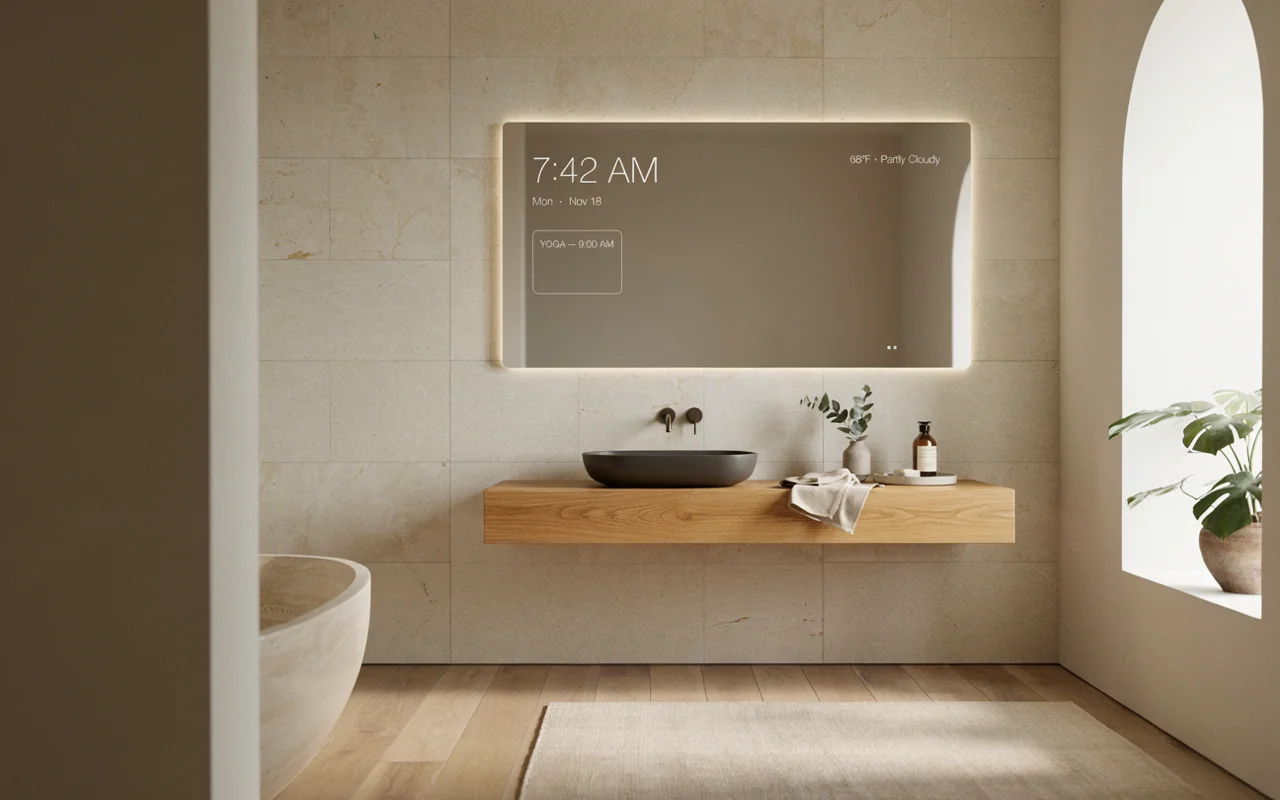
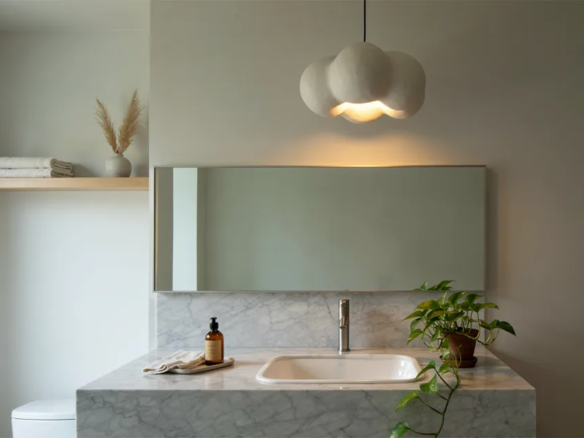
Smart mirrors are transforming bathrooms into calmer, more functional spaces. Beyond reflection, they can display time, weather, or gentle lighting adjustments that mimic natural daylight. This subtle integration keeps morning and evening routines simple while adding a touch of quiet sophistication to an everyday space.
What makes this idea stand out among future home ideas is its restraint. The technology doesn’t dominate the room visually; it enhances the experience without adding clutter. Paired with warm stone tiles and soft lighting, a smart mirror helps turn a simple bathroom into a small, spa-like escape at home.
12. Sustainable Materials for Eco-Friendly Living
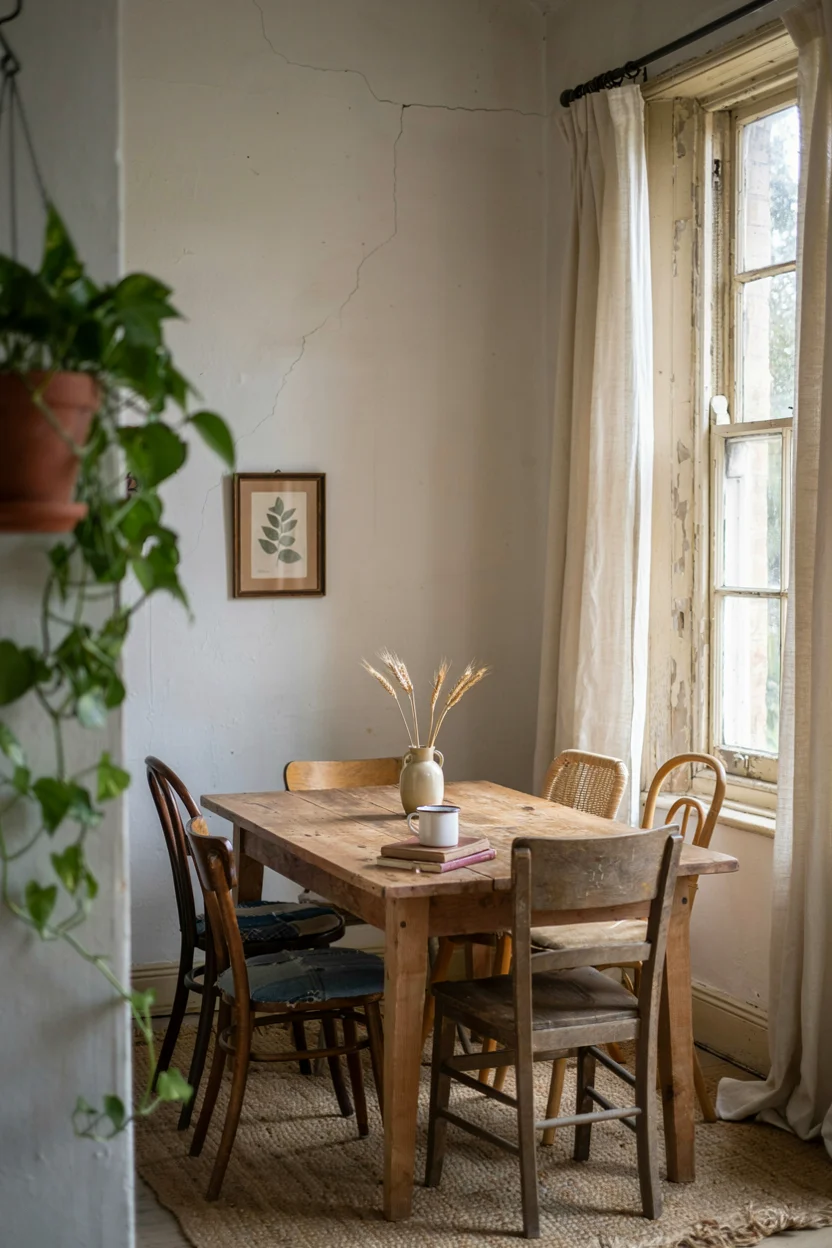
Sustainability has become a core part of modern design thinking. Reclaimed wood, recycled textiles, and low-impact materials bring warmth and character while reducing environmental footprint. These choices align naturally with future home ideas that value both aesthetic comfort and long-term responsibility toward the planet and its resources.
Choosing sustainable materials doesn’t mean sacrificing style. Textured jute rugs, natural linen curtains, and reclaimed wood furniture all add depth and coziness to a space. This approach shows that eco-conscious living and beautiful design can coexist, creating homes that feel good ethically as much as they do visually.
13. Ambient Sound Systems for Peaceful Evenings
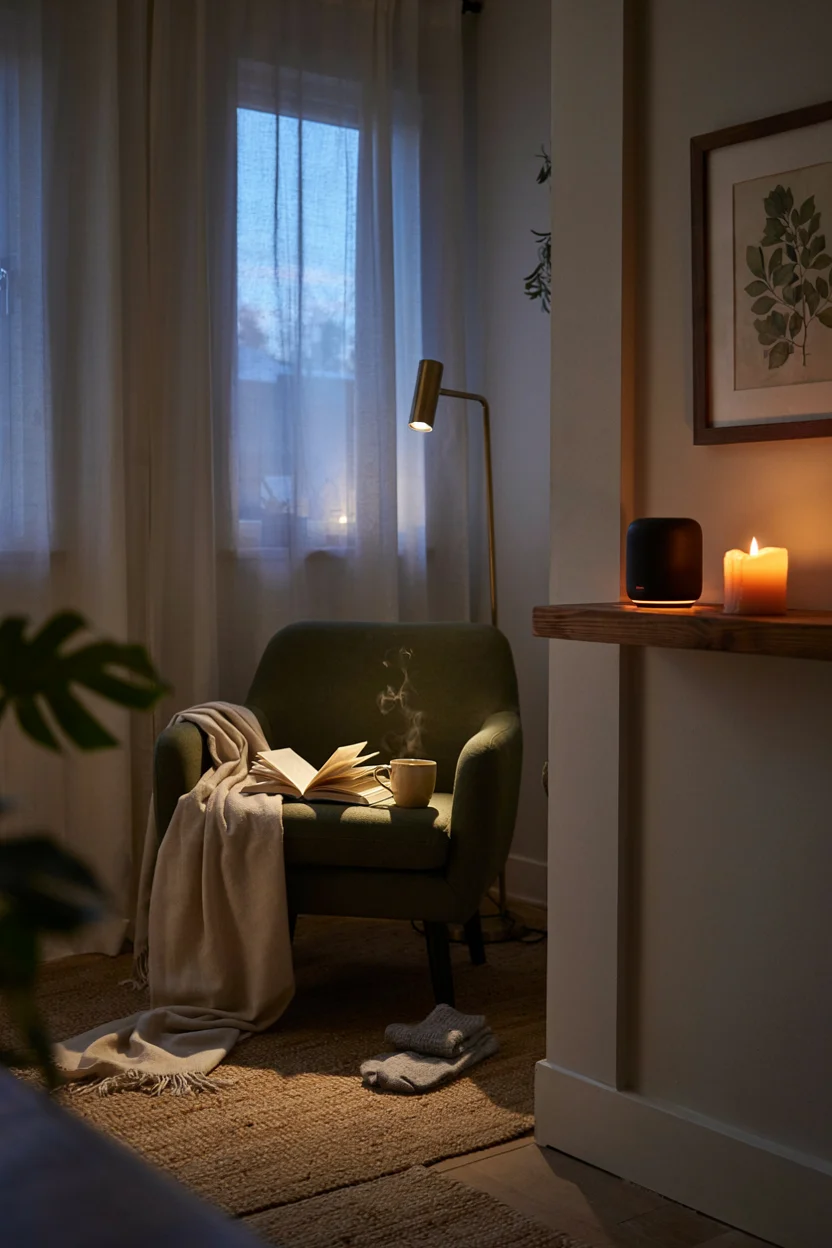
Sound shapes atmosphere just as much as lighting does. Ambient sound systems, often controlled through a phone or voice assistant, allow homeowners to fill a room with soft music, nature sounds, or gentle white noise. This creates an easy transition from a busy day into a more restful evening.
Among current future home ideas, ambient audio stands out for how effortlessly it supports relaxation. A single tap can shift a living room’s mood entirely, whether for winding down, meditating, or simply enjoying quiet background sound. It’s a small technology with an outsized impact on how peaceful a home feels.
14. Modular Furniture for Flexible Small Spaces
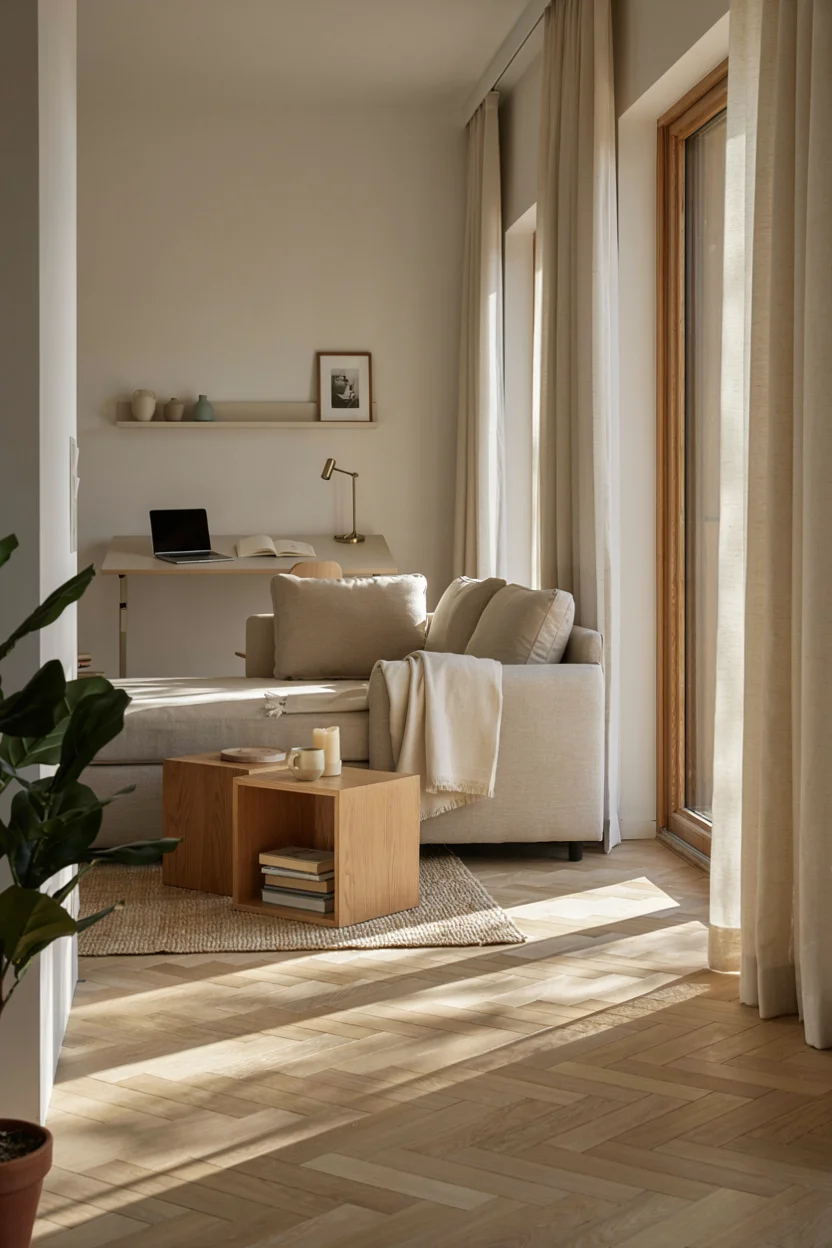
Modular furniture is redefining how small spaces function. Sofas that convert into beds, tables that fold flat, and stackable storage units allow one room to serve multiple purposes throughout the day. This flexibility is especially valuable in cities where space comes at a premium, yet comfort remains essential.
This concept ties closely into future home ideas focused on adaptability. Instead of cramming a home with single-purpose furniture, modular pieces let residents reshape their environment as needs change. The result is a space that feels open, uncluttered, and thoughtfully designed, no matter how limited the square footage actually is.
15. Smart Kitchens with Touchless Faucets
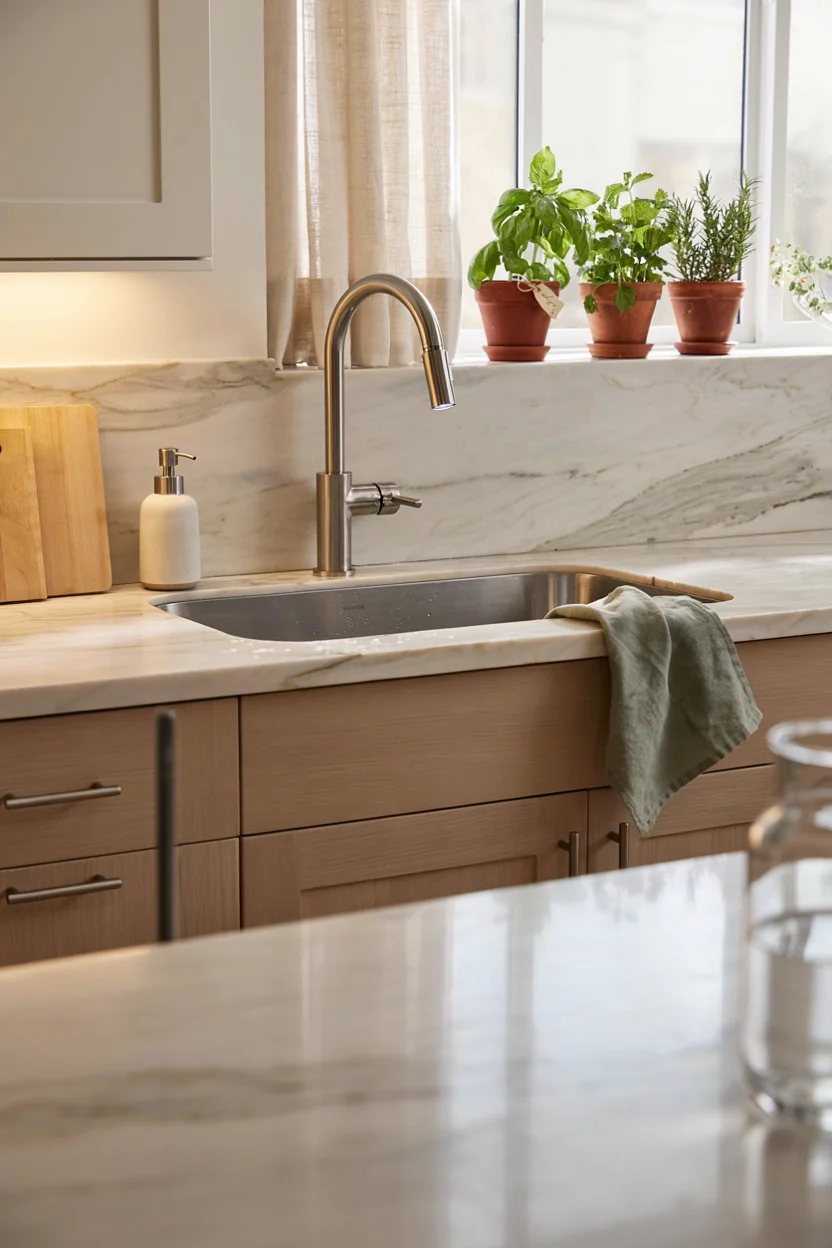
Touchless faucets bring a simple but meaningful upgrade to daily kitchen routines. A quick wave of the hand turns water on or off, which is especially useful when hands are messy from cooking. This small convenience reduces mess on handles and makes cleanup noticeably faster and more hygienic overall.
As part of broader future home ideas, touchless technology reflects a growing preference for intuitive, low-effort design. It’s not flashy, but it quietly improves everyday function. Paired with warm lighting and natural materials, a touchless kitchen feels both modern and welcoming, proving that smart upgrades don’t need to feel cold.
16. Warm Textiles That Soften Modern Interiors
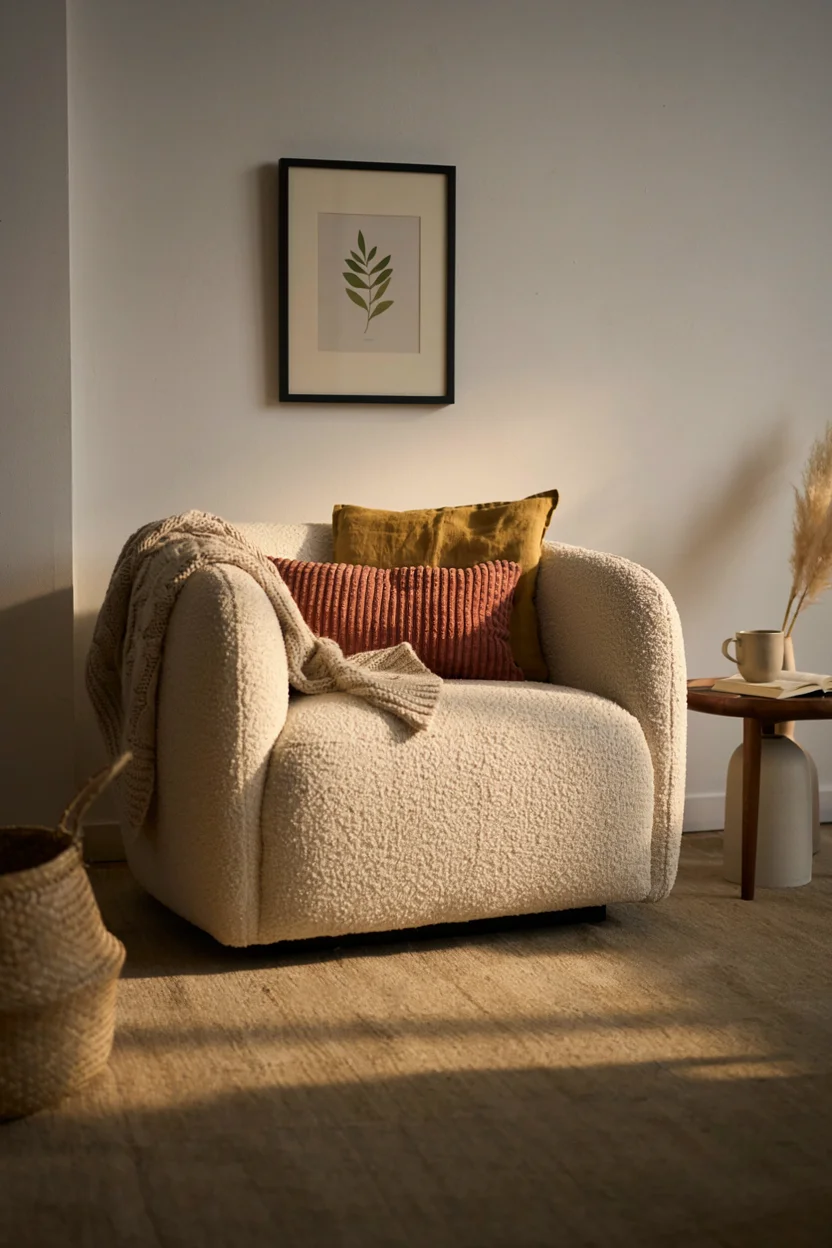
Textiles play a quiet but powerful role in balancing technology-filled homes. Chunky knits, boucle upholstery, and layered cushions add softness that keeps a smart, minimal space from feeling clinical. These tactile elements invite touch and comfort, grounding a room even when it’s filled with sleek devices and clean lines.
Among future home ideas, texture is often the missing ingredient that makes innovation feel livable. A wool rug or a knitted throw doesn’t just look good; it changes how a room feels to sit in. This blend of warmth and function creates spaces that are as comfortable as they are current.
17. Robotic Vacuum Integration for Effortless Cleaning
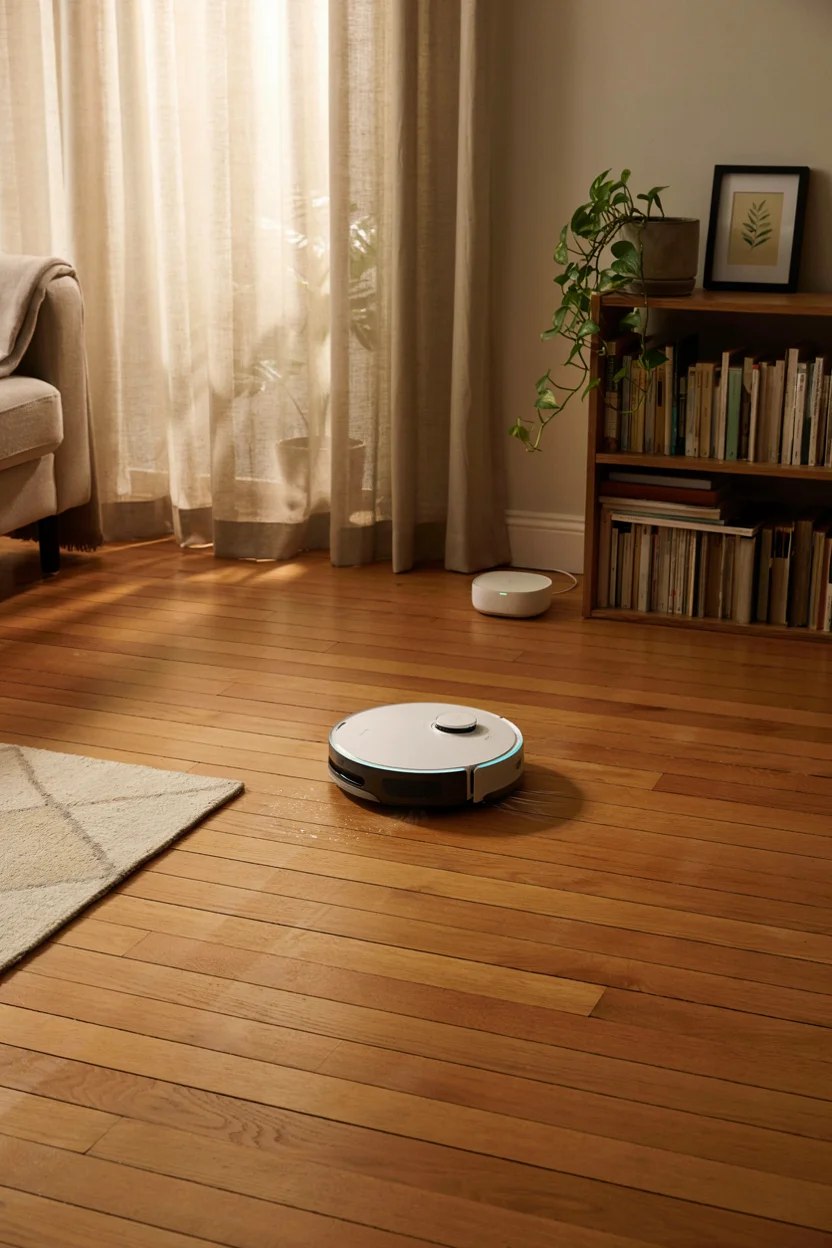
Robotic vacuums have quietly become a household staple, handling daily cleaning without requiring any real effort. Scheduled through an app, they navigate rooms automatically, avoiding furniture and returning to their dock to recharge. This kind of quiet automation frees up time while keeping floors consistently clean throughout the week.
This idea fits neatly into future home ideas centered on reducing daily chores. Rather than a dramatic technological leap, it’s a practical tool that simply works in the background. Paired with warm flooring and simple decor, a home with robotic cleaning support feels effortlessly maintained without constant manual upkeep.
18. Indoor Air Quality Monitors for Healthier Homes
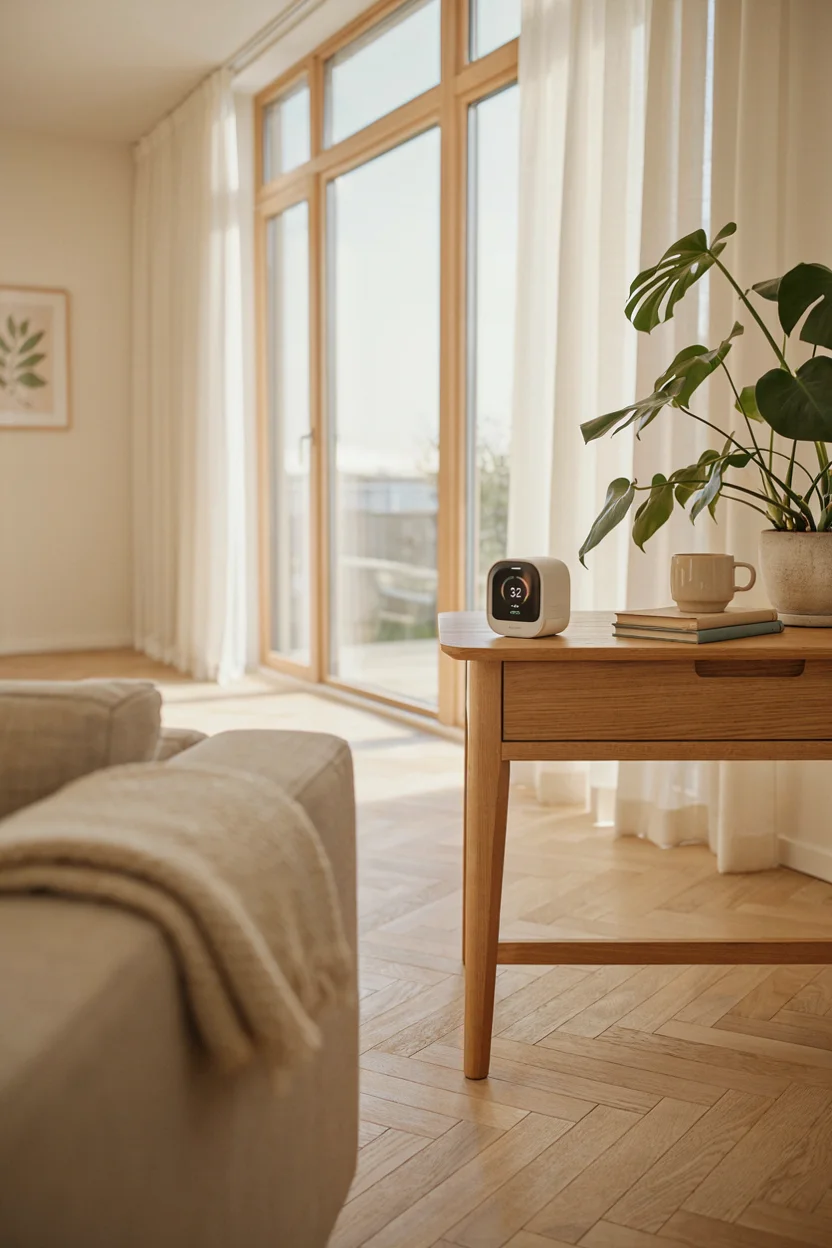
Air quality is an often overlooked part of home comfort, yet it directly affects how a space feels day to day. Small monitors now track humidity, dust, and pollutant levels in real time, alerting residents when it’s time to ventilate or adjust air purifiers for a healthier indoor environment.
This focus on wellbeing is a defining thread among future home ideas. Clean air, much like good lighting or temperature control, contributes quietly but significantly to comfort. Paired with plants and proper ventilation, an air quality monitor helps ensure a home feels genuinely fresh, not just visually calm and inviting.
19. Smart Locks and Security for Peace of Mind
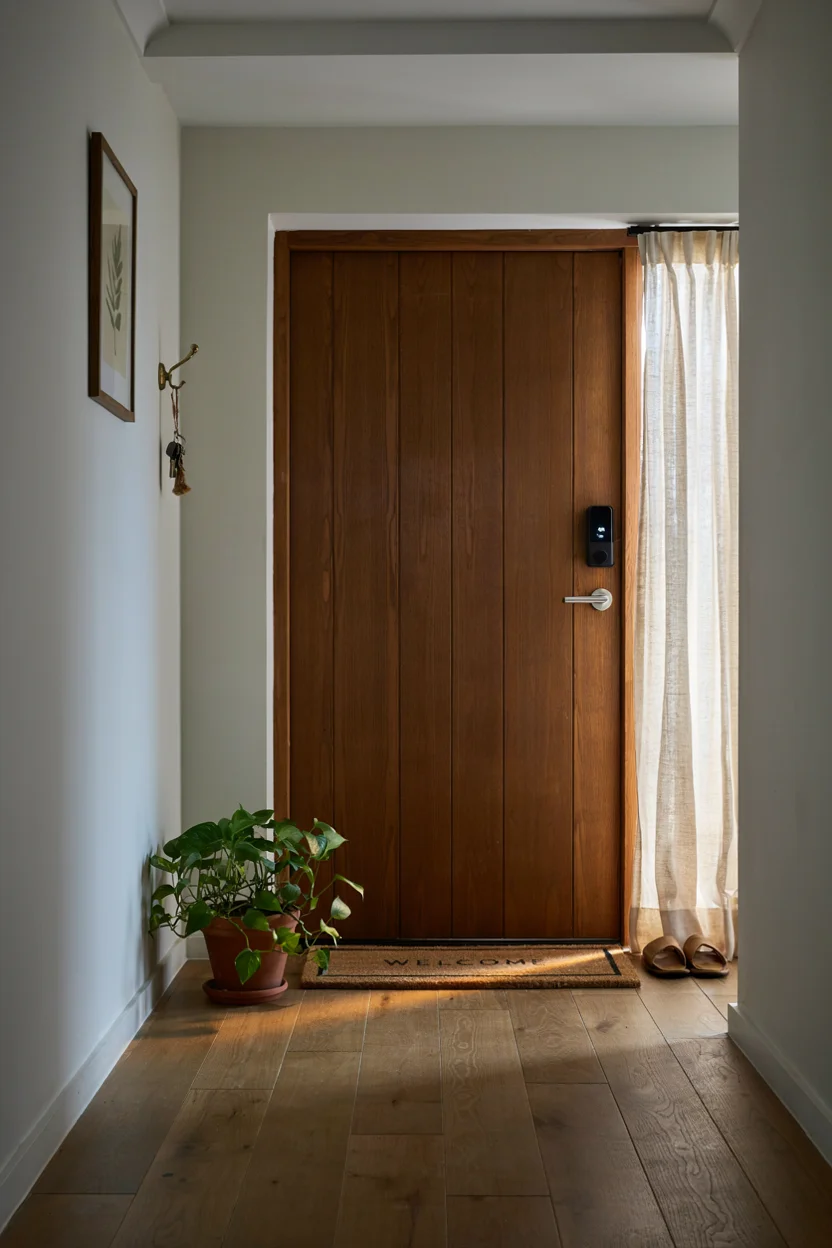
Smart locks offer a practical blend of convenience and security. Keyless entry, temporary access codes for guests, and instant phone alerts when someone enters give homeowners more control without the hassle of physical keys. This technology has become a natural extension of how modern homes manage safety and access.
As one of the more essential future home ideas, smart security systems prioritize peace of mind above all else. Knowing a home is secure, even from a distance, allows residents to relax more fully indoors. Combined with warm entryway design, these features make a home feel both safe and welcoming.
20. Energy-Efficient Homes That Feel Cozy Year-Round
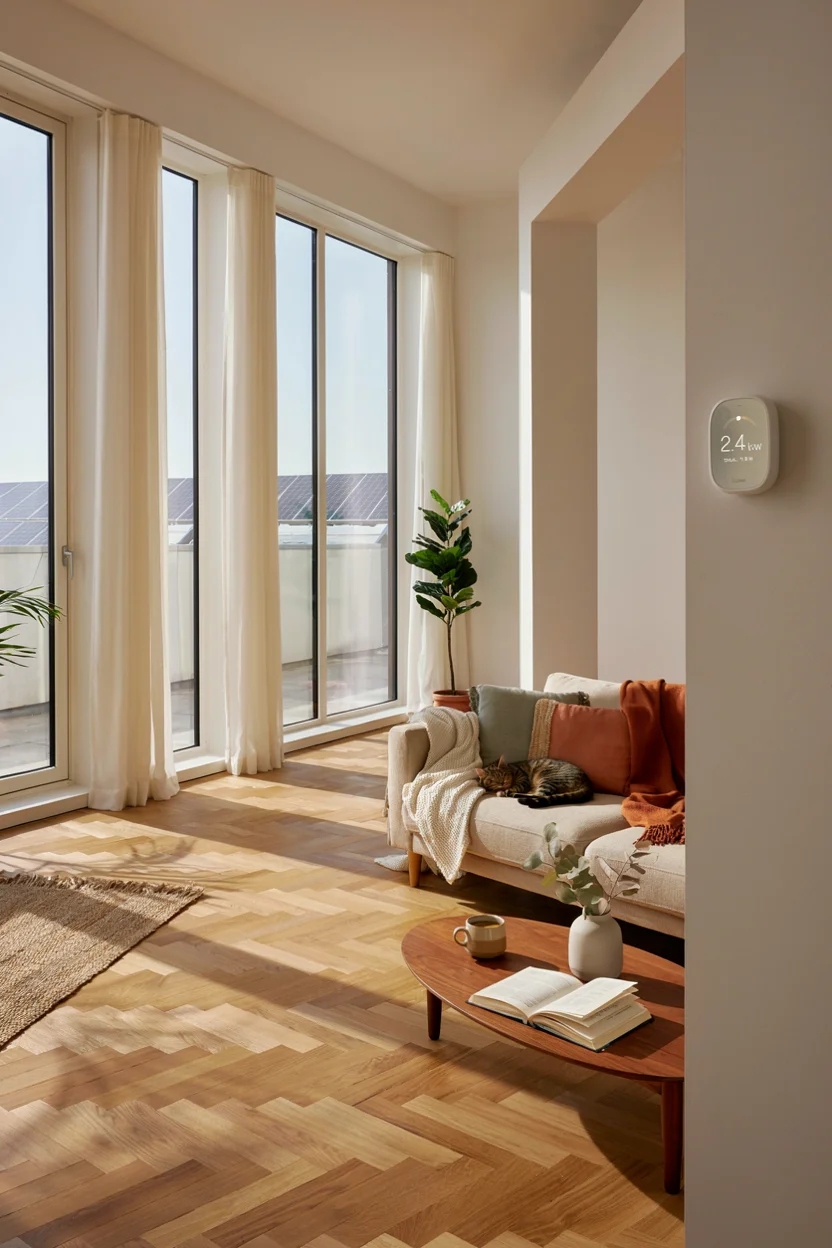
Energy efficiency has moved from a niche concern to a central part of thoughtful home design. Well-insulated windows, solar panels, and smart energy monitors work together to reduce waste while keeping indoor temperatures stable and comfortable throughout every season, regardless of what’s happening with the weather outside.
This idea ties together many future home ideas explored here: comfort, sustainability, and smart technology working in harmony. An energy-efficient home doesn’t feel sparse or utilitarian; layered textiles and warm lighting keep it cozy. It proves that responsible design and genuine comfort can exist fully within the very same space.
Conclusion
Designing a future home doesn’t mean choosing between comfort and innovation — the best spaces bring both together effortlessly. These 20 ideas, from adaptive lighting to biophilic corners and hidden smart storage, show how thoughtful technology can support a calmer, warmer way of living. Start with one or two changes, and let your home grow smarter and cozier over time, one intentional detail at a time.

Join The Discussion