
Introduction
Birdhouses don’t have to be predictable wooden boxes with triangular roofs. The best birdhouse ideas combine functional design that attracts feathered friends with creative aesthetics that enhance your garden or yard. Whether you’re a seasoned woodworker, crafty DIYer, or simply want to add whimsical charm to outdoor spaces, these innovative designs prove that bird homes can be architectural statements. From upcycled treasures to modern minimalist structures, discover birdhouse ideas that welcome birds while expressing your personal style and transforming your garden into an avian sanctuary with serious visual appeal.
1. Vintage Teapot Birdhouse With Charming Appeal
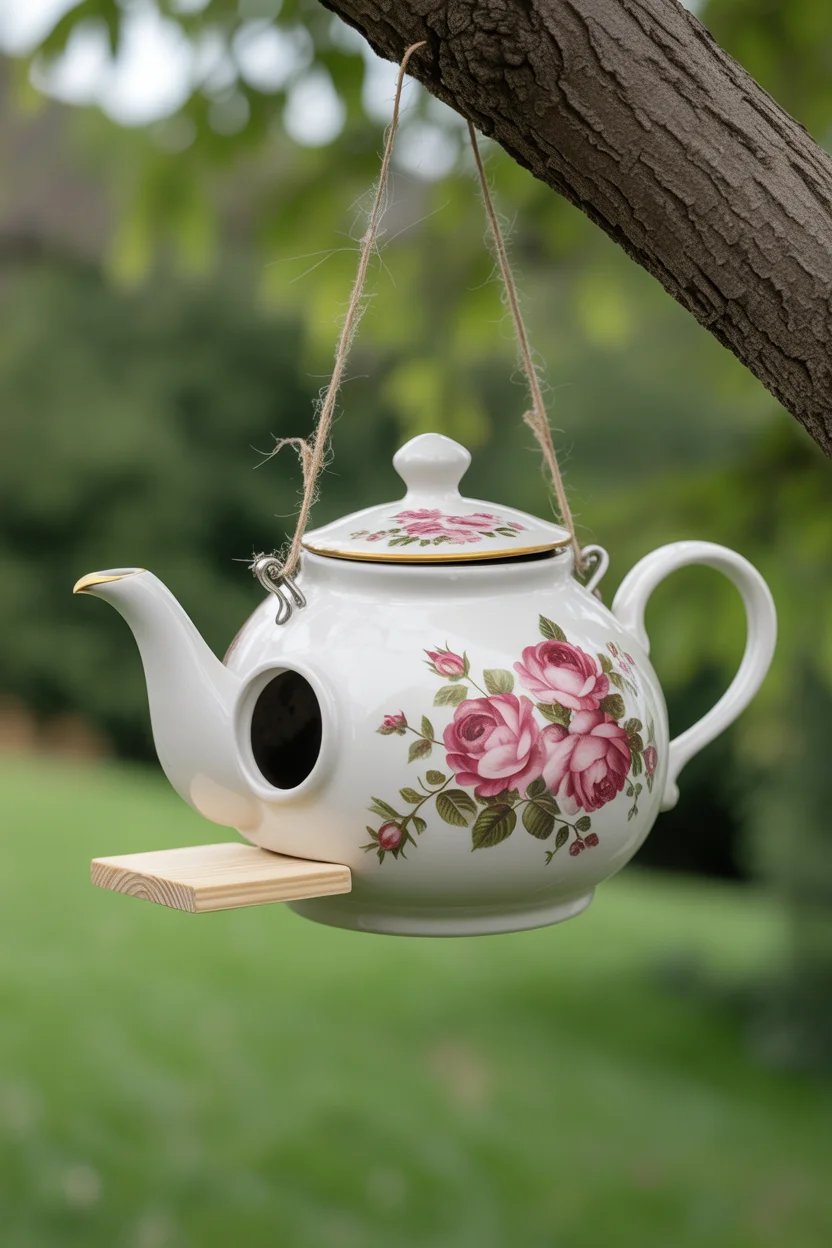
Repurposing vintage teapots into birdhouses combines functionality with garden whimsy, creating conversation-starting homes that birds actually use. The teapot’s existing spout provides a perfectly sized entrance hole for small birds like chickadees or wrens, while the rounded interior offers cozy nesting space. The ceramic material provides insulation from heat and cold, and drainage holes drilled in the bottom prevent water accumulation. This upcycling approach gives new life to chipped or lidless teapots while adding quirky personality to garden spaces.
Securing teapot birdhouses requires careful planning to prevent breakage and ensure stability. Drill a small hole through the back of the pot and use weather-resistant wire or strong twine to hang it securely from sturdy branches or shepherd’s hooks. Ensure the spout angles slightly downward to discourage rain entry while remaining accessible to birds. Source vintage teapots from thrift stores, estate sales, or your own collection of unused pieces. The floral patterns, delicate designs, and pastel colors of vintage china complement cottage gardens beautifully while providing functional housing. Clean thoroughly before installation and add small drainage holes if none exist to maintain a healthy nesting environment.
2. Modern Geometric Birdhouse in Bold Colors
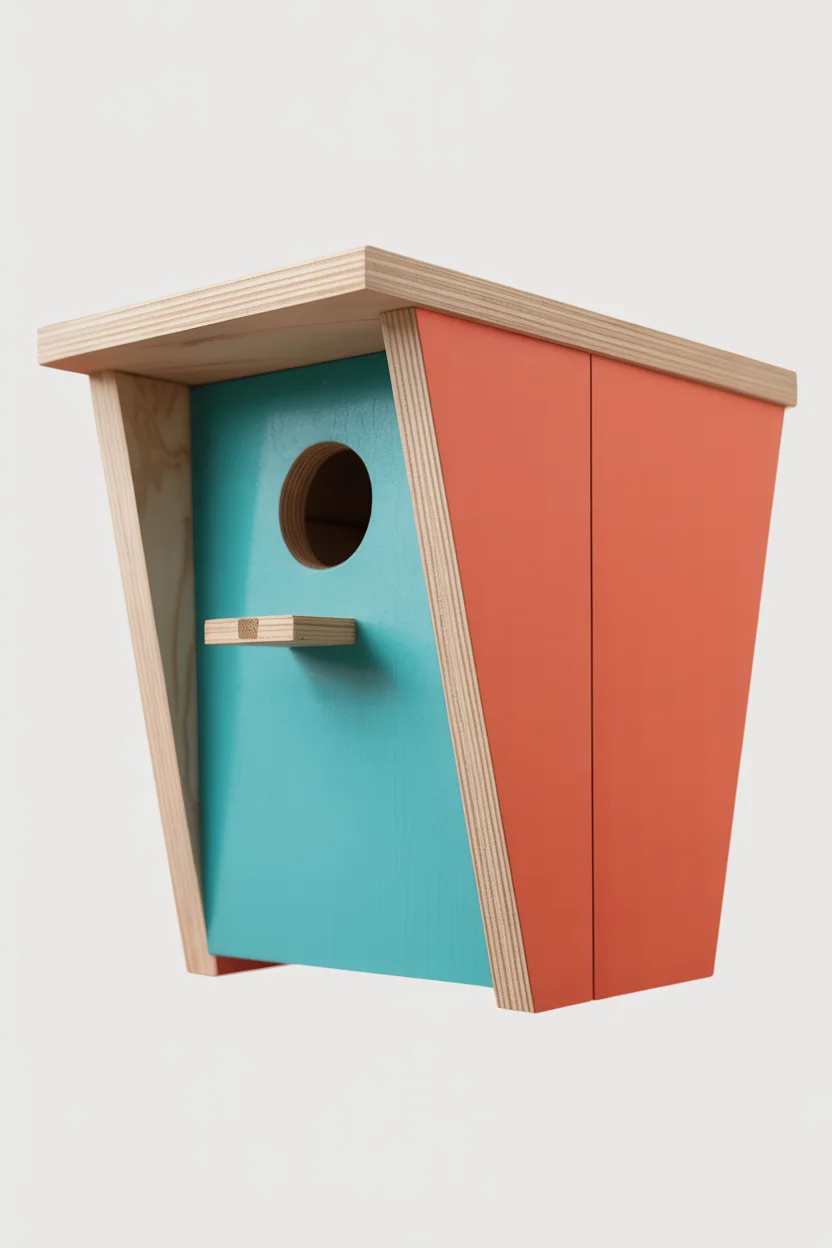
Modern geometric birdhouses prove that bird homes can reflect contemporary design aesthetics while meeting avian needs. Clean lines, unexpected angles, and bold color combinations create outdoor art pieces that happen to house birds. These designs appeal to those whose garden style leans modern or mid-century rather than traditional, allowing cohesive aesthetic flow from house to yard. The geometric approach often incorporates functional improvements like proper ventilation, appropriate entrance sizes, and predator guards within architecturally interesting forms.
Constructing modern birdhouses requires precision cutting and careful assembly to achieve clean angles and seamless joints. Use quality exterior plywood or cedar cut with accurate angles, joined with wood glue and finishing nails or screws. Select weather-resistant exterior paints in bold, contrasting colors, ensuring you use non-toxic formulations safe for birds. The geometric style works particularly well when mounted on modern fence posts, architectural stands, or attached to contemporary home exteriors where traditional birdhouses might clash. Consider creating matching sets in different color combinations for visual impact, or designing modular units that can be grouped or separated. The contemporary approach attracts design-conscious bird lovers who want backyard functionality without sacrificing modern aesthetics.
View morehttps://dreamgardenspk.com/blog/
3. Rustic Log Cabin Birdhouse With Natural Bark
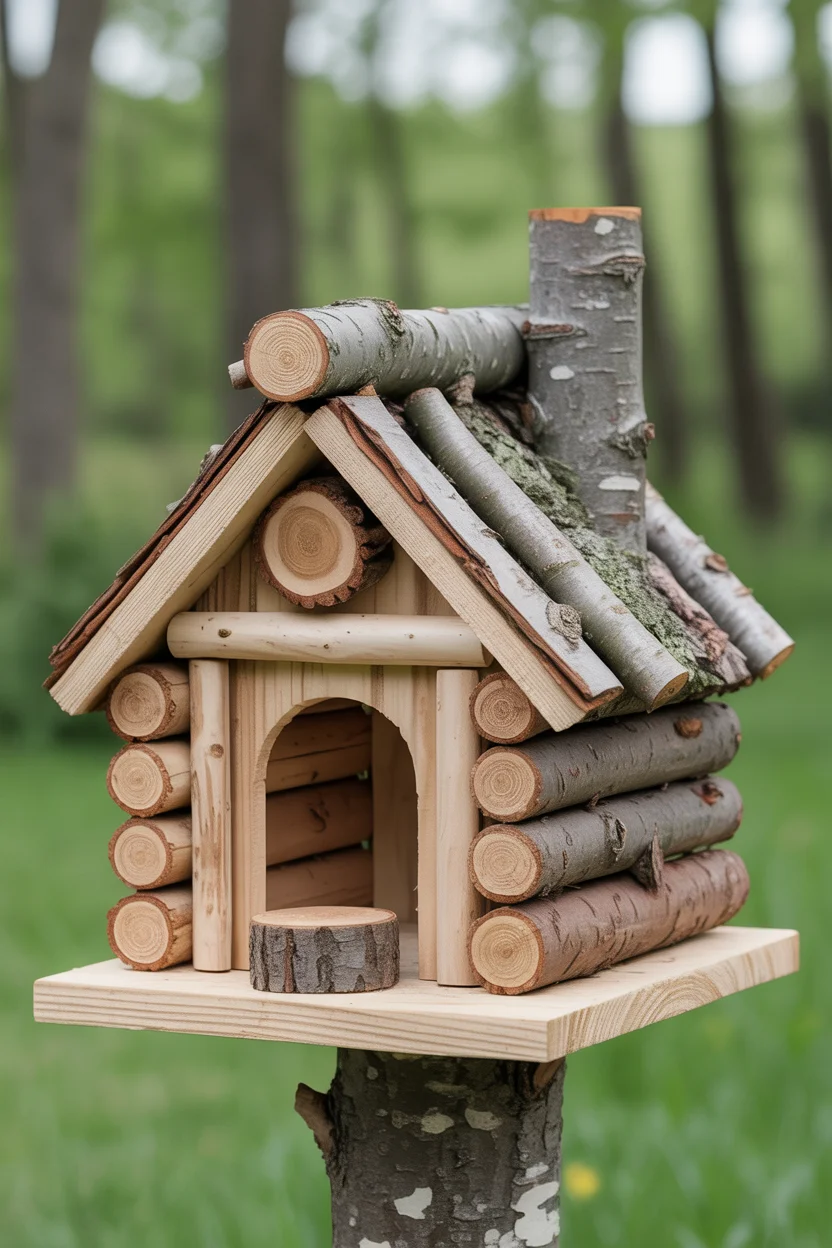
Log cabin birdhouses embrace natural materials that birds instinctively trust while creating miniature architectural charm. Using small diameter branches or split logs with bark intact provides familiar nesting environments similar to natural tree cavities that birds seek in the wild. The rustic construction requires only basic tools and natural materials often available free from yard cleanup or pruning projects, making this an affordable and environmentally friendly approach. The natural wood weathers beautifully, developing silver-gray patina that increases its organic integration into garden settings.
Building log cabin birdhouses involves notching small branches or logs at corners for traditional cabin construction, securing with exterior wood glue and small nails. Select branches 1-2 inches in diameter for appropriate scale, ensuring the interior cavity meets minimum dimensions for your target bird species—typically 4×4 inches floor space for common songbirds. Create the roof from overlapping bark pieces or small branch halves that shed water effectively. Drill the entrance hole to species-appropriate size: 1.25 inches for chickadees and wrens, 1.5 inches for bluebirds. Leave bark on for aesthetics and insulation, but ensure wood is dead and dry to prevent rot. Add a small branch slice as a chimney detail for visual charm while ensuring it doesn’t block ventilation gaps essential for healthy nesting.
4. Upcycled Wine Bottle Birdhouse Feeder Combo
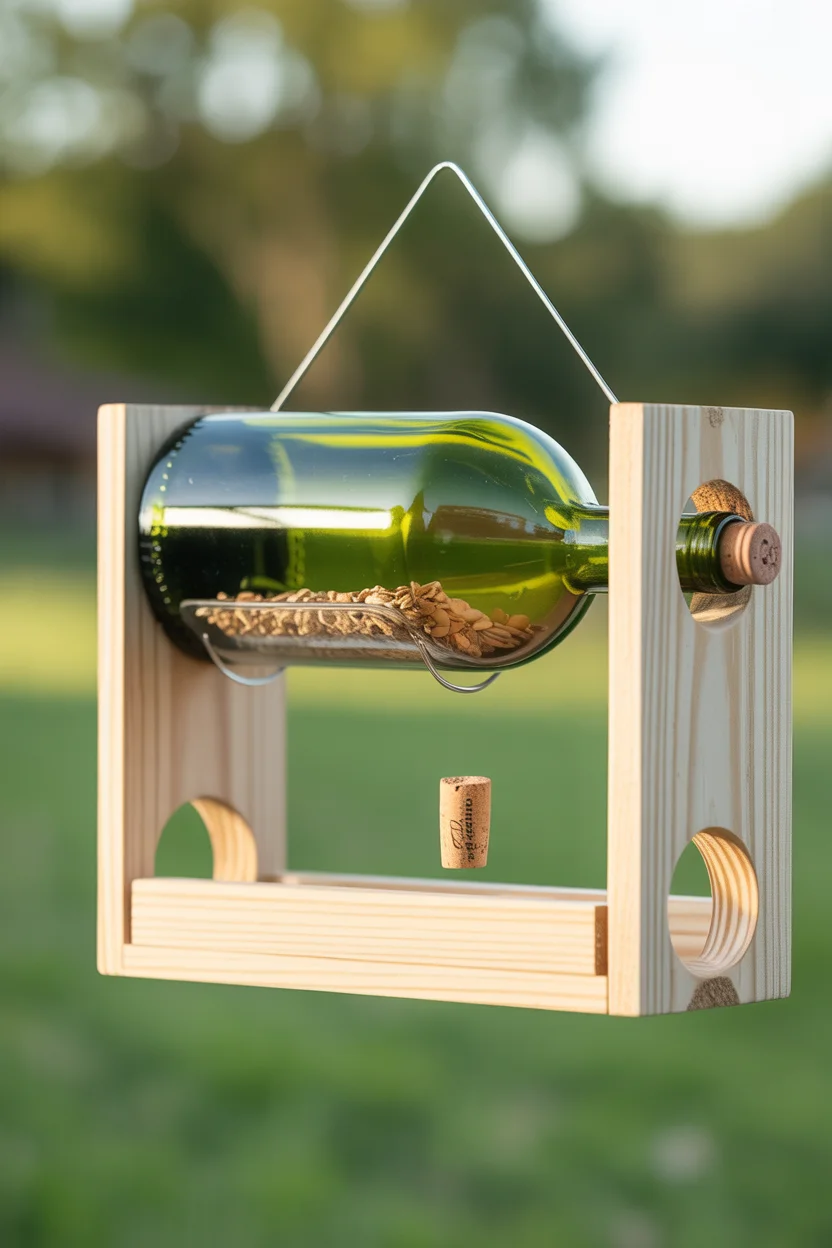
Wine bottle birdhouses demonstrate creative upcycling while serving dual purposes as feeders and potential shelters. The glass bottle, mounted horizontally or at a slight angle, acts as a seed dispenser—gravity feeds seeds through the opening onto a platform below where birds can feed. Adding an enclosed wooden section adjacent to or surrounding the bottle creates actual nesting space, making the structure multifunctional. The glass provides visual interest, catches light, and allows you to monitor seed levels easily, combining practicality with garden art.
Constructing wine bottle birdhouses requires building a wooden frame that securely holds the bottle while incorporating nesting space and feeding platform. Cut an entrance hole in the wooden housing section sized appropriately for target birds. Mount the bottle firmly using wire or wooden cradles that prevent slipping and breaking. Ensure the bottle opening angles downward over the feeding tray to allow seed flow while preventing rain entry. Clear, green, or amber bottles all work beautifully, and the glass requires no treatment. This design works best as a feeding station with optional nesting space rather than primary housing, as most birds prefer fully enclosed nesting cavities. Position in partially shaded areas to prevent excessive heat buildup from glass, and clean regularly by removing the bottle to refresh seeds and maintain hygiene.
Explore morehttp://pinterest.com/Dreamgardenshome/
5. Colorful Painted Birdhouse Village Display
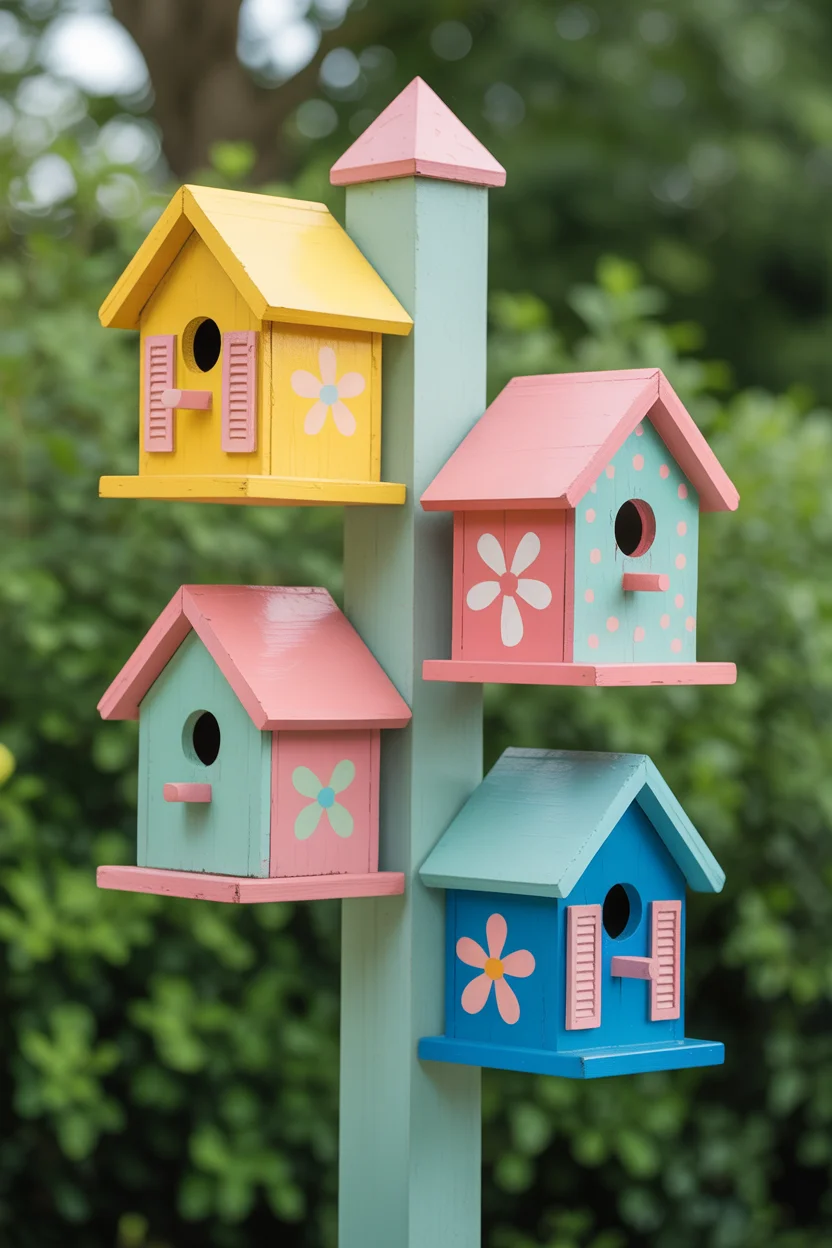
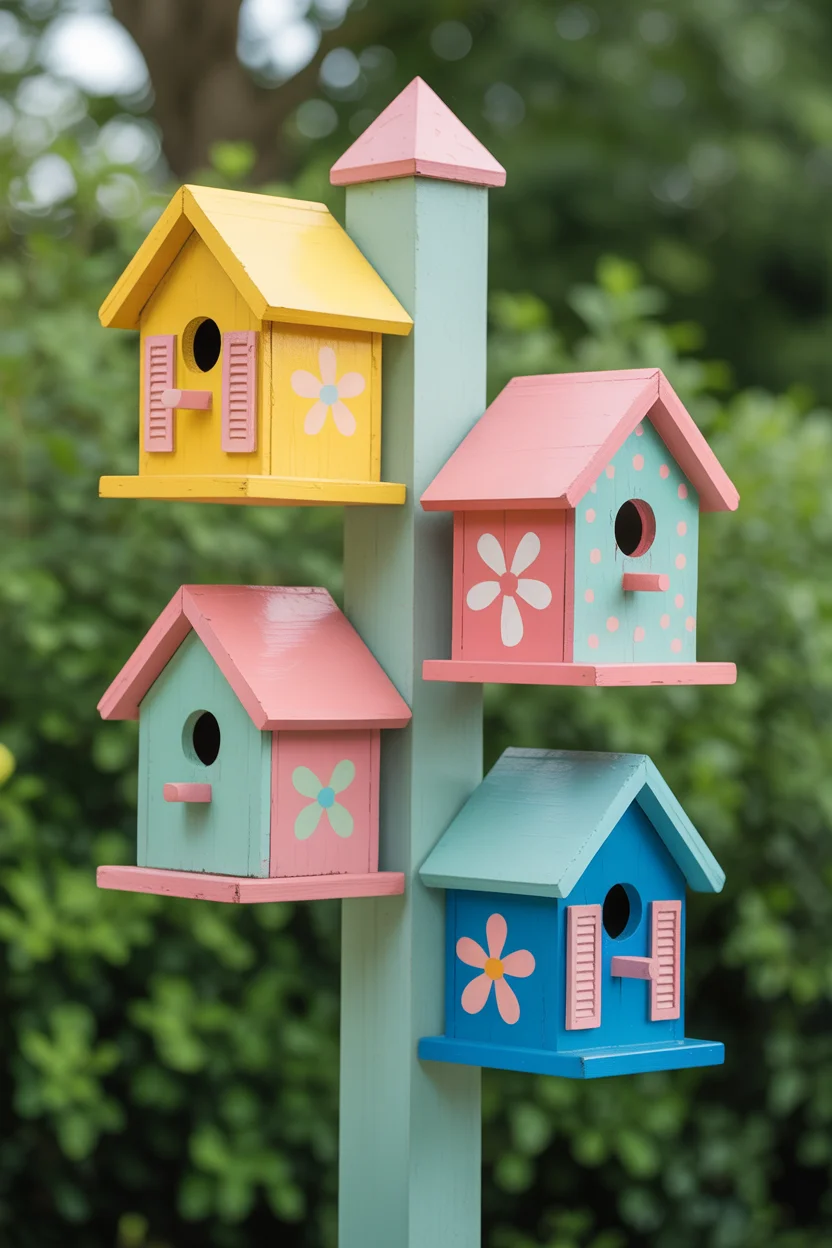
Birdhouse villages group multiple coordinated homes together, creating visual impact while potentially attracting more birds through varied housing options. Painting simple birdhouse forms in a cohesive color palette with different decorative details transforms basic structures into garden focal points. This approach allows creative expression through paint techniques, patterns, and embellishments while maintaining functional bird housing. The village concept works particularly well in larger yards or gardens where the grouping creates destination viewing areas.
Creating birdhouse villages starts with constructing or purchasing several simple birdhouse forms in similar sizes. Paint each in different colors from a coordinated palette, using exterior-grade non-toxic paints. Add decorative details like painted flowers, stripes, polka dots, faux windows with shutters, or door details while ensuring you don’t obstruct entrance holes or ventilation. Mount houses on a single tall post at staggered heights, on multiple posts clustered together, or along fence lines. Vary entrance hole sizes slightly if possible to attract different bird species—smaller holes for wrens and chickadees, slightly larger for bluebirds. The colorful village creates cheerful garden art while serving serious bird habitat function. Consider seasonal repainting to refresh colors and change themes, making the village a dynamic garden element rather than static installation.
6. Repurposed Boot Birdhouse With Rustic Humor
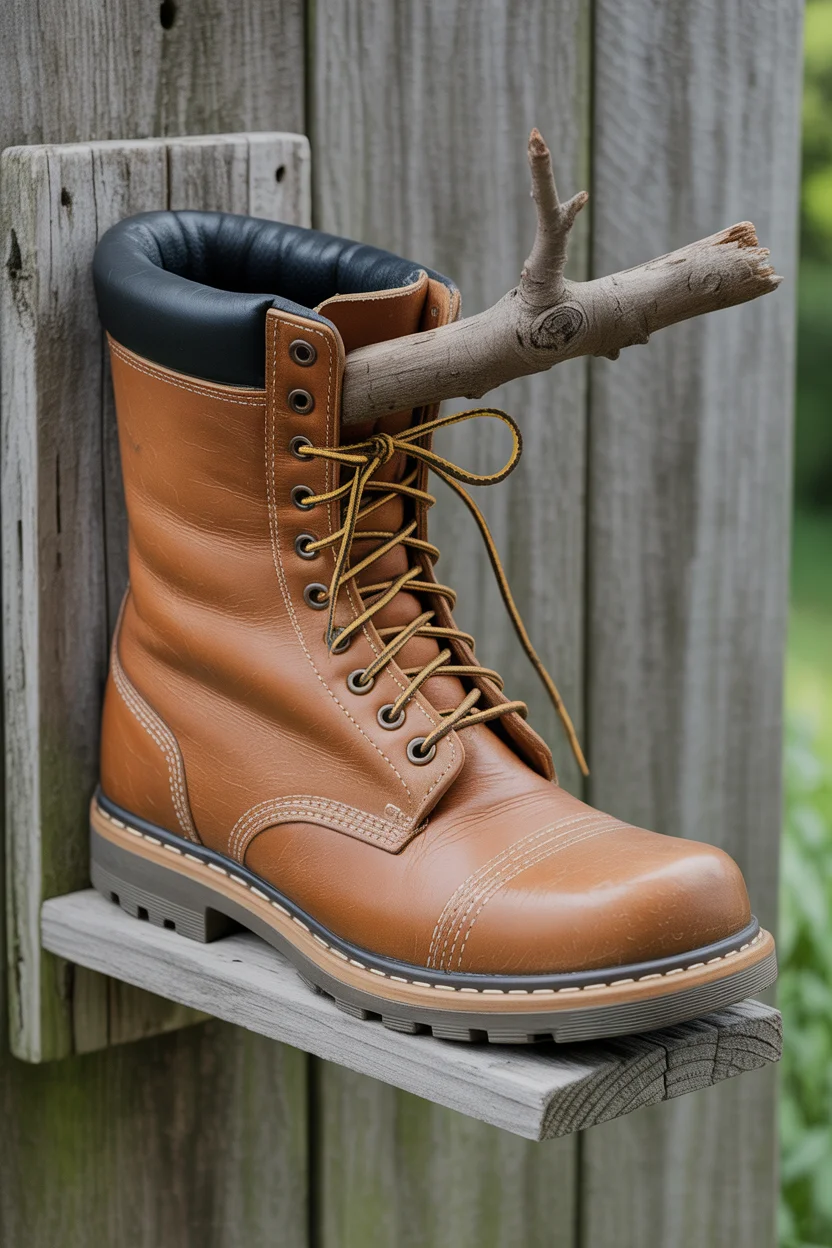
Repurposed boot birdhouses embrace humor and unexpected materials, creating quirky garden features that showcase personality and creativity. Old leather boots—work boots, cowboy boots, or hiking boots—provide surprisingly functional bird housing with existing weather resistance and interesting shapes. The novelty attracts attention and smiles from garden visitors while potentially appealing to cavity-nesting birds comfortable with unusual structures. This approach rescues old footwear from landfills, embodying creative sustainability with zero material cost if using your own worn-out boots.
Creating boot birdhouses requires selecting leather or heavy canvas boots with intact structure—avoid rubber or plastic that degrades poorly or overheats. Clean thoroughly and treat leather with weatherproofing products if desired. Mount the boot sideways or at a slight upward angle on a board or post, securing through the sole with screws or heavy wire. The boot opening becomes the entrance; you might add a small wooden disk with appropriate-sized hole to reduce the opening and prevent predators. Drill several small drainage holes in the sole’s lowest point to prevent water accumulation. Add a small branch or dowel perch if desired. Position in partially shaded locations as dark leather absorbs heat. The rustic, humorous aesthetic suits farmhouse, cottage, or eclectic garden styles where whimsy is welcomed and unexpected materials create character rather than clutter.
7. Minimalist Concrete Birdhouse With Modern Edge
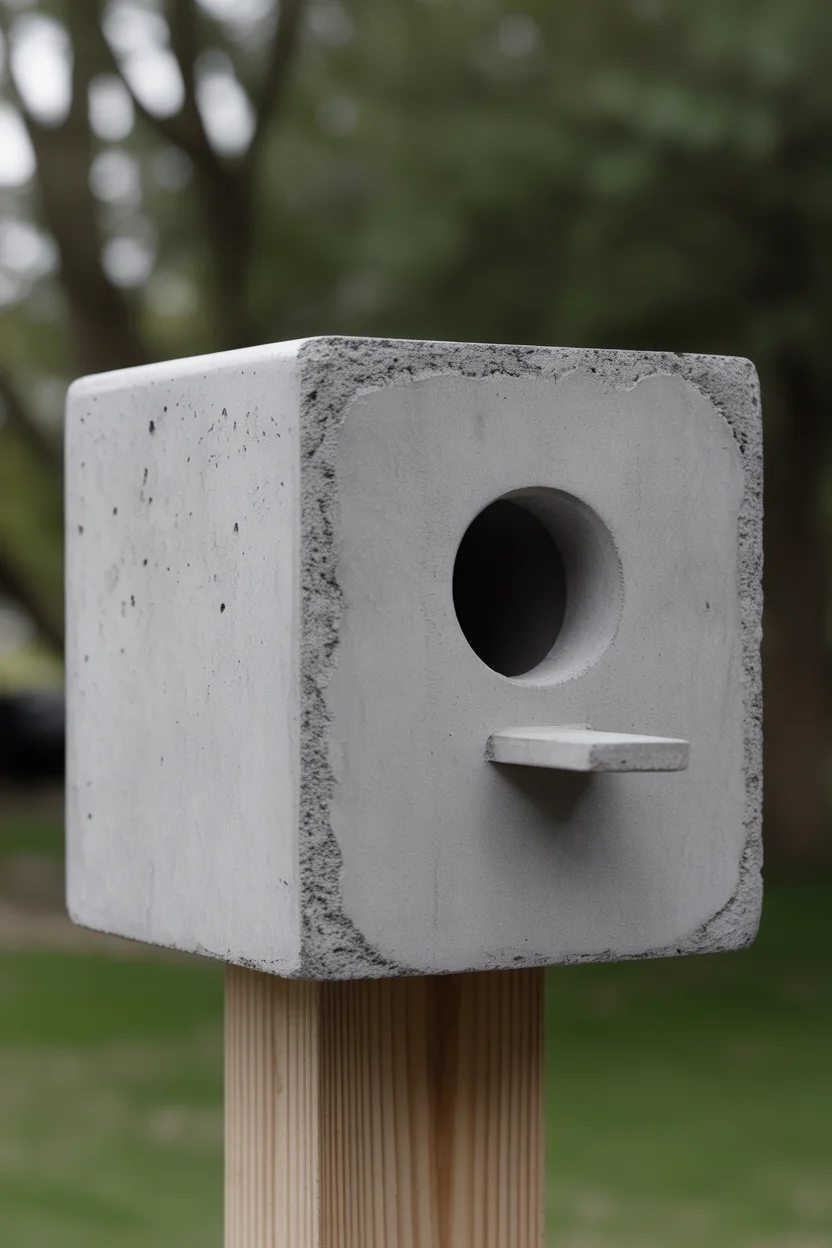
Concrete birdhouses bring unexpected materials and modern aesthetics to bird housing, creating permanent sculptural elements with excellent durability. Concrete provides superior weather resistance, temperature moderation through thermal mass, and predator protection through sheer strength. The material suits contemporary garden designs where traditional wooden birdhouses feel stylistically inconsistent. Concrete accepts integral color, surface textures, and embedded objects, allowing customization while maintaining the material’s inherent modern character. These substantial pieces make strong architectural statements while providing genuinely functional bird housing.
Creating concrete birdhouses requires building forms (molds) from wood, plastic, or foam, then mixing and pouring concrete carefully. Use standard concrete mix or specialized casting concrete for smoother finishes. Create the interior cavity and entrance hole using removable cores—PVC pipe, foam, or inflated balloons—positioned before pouring. Include drainage holes by inserting removable dowels that create openings once removed. After curing for several days, remove forms, sand any rough edges around the entrance that could harm birds, and seal with non-toxic concrete sealer if desired. The finished piece is extremely heavy, requiring sturdy permanent mounting on posts, pillars, or direct ground placement. Consider casting mounting hardware directly into the concrete. The modern, minimalist aesthetic suits contemporary landscapes, urban gardens, or architectural outdoor spaces where concrete’s industrial character complements rather than contradicts the surrounding design.
8. Fairy Tale Cottage Birdhouse With Storybook Charm
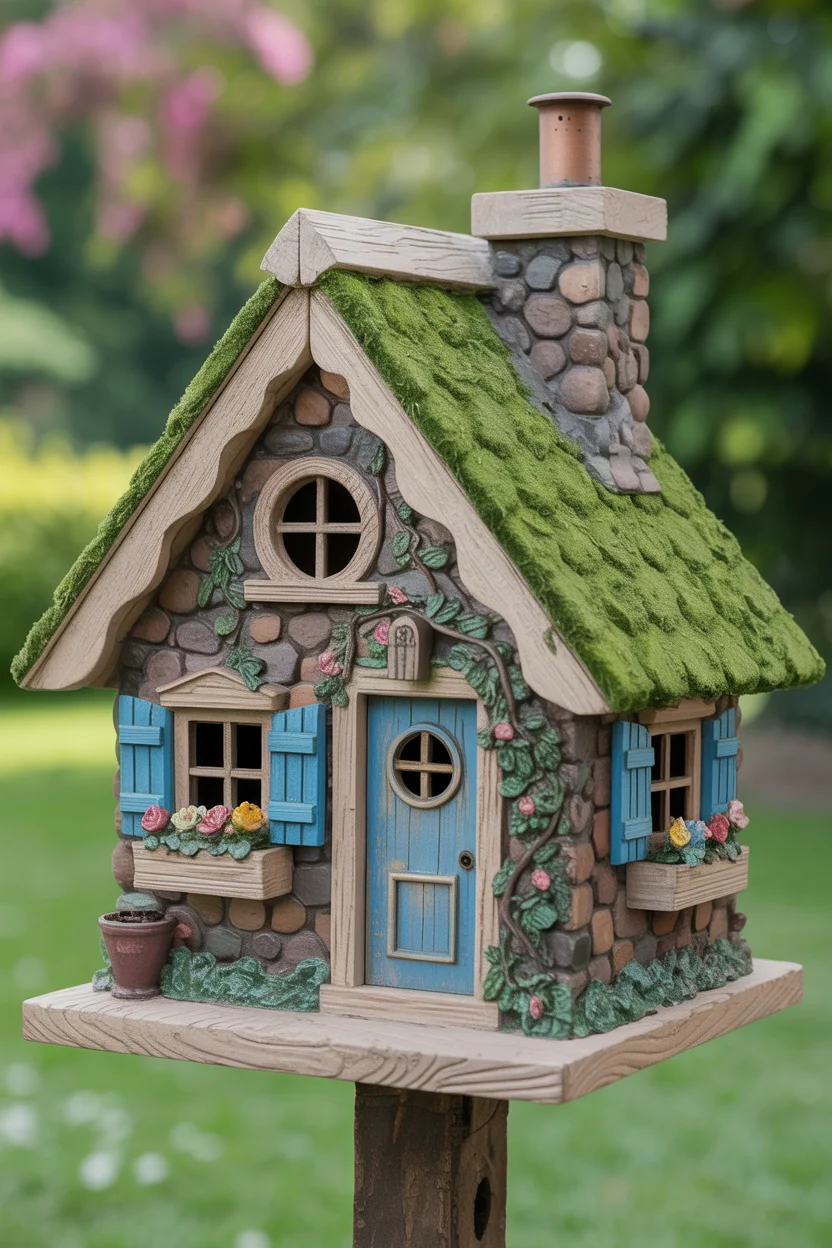
Fairy tale cottage birdhouses transform functional bird housing into fantasy architecture that delights children and adults while serving genuine avian needs. These detailed creations incorporate miniature architectural elements—shutters, doors, window boxes, chimneys, stone or brick textures—that create storybook appeal. The whimsical approach suits cottage gardens, fairy gardens, or family yards where imagination and playfulness are valued. Despite decorative elaboration, the core structure must maintain proper dimensions, ventilation, and drainage to actually attract and safely house birds.
Constructing fairy tale birdhouses begins with a functionally sound basic structure with appropriate interior dimensions and entrance hole size. Build onto this foundation with decorative elements using lightweight materials that won’t compromise structural integrity. Create stone or brick textures with paint techniques, applied tile pieces, or textured wallpaper sealed with exterior varnish. Add miniature shutters, doors, and window boxes from wood scraps, craft sticks, or purchased dollhouse components sealed for weather resistance. Apply moss, lichen, or artificial greenery to roofs with weather-resistant adhesive. Include tiny resin or clay flowerpots, miniature tools, or other whimsical details. Ensure decorations don’t block the entrance, prevent proper ventilation, or create ledges where predators could perch. The magical result becomes garden focal point while potentially housing real birds in your created fantasy world.
9. Reclaimed Barn Wood Birdhouse With Weathered Character
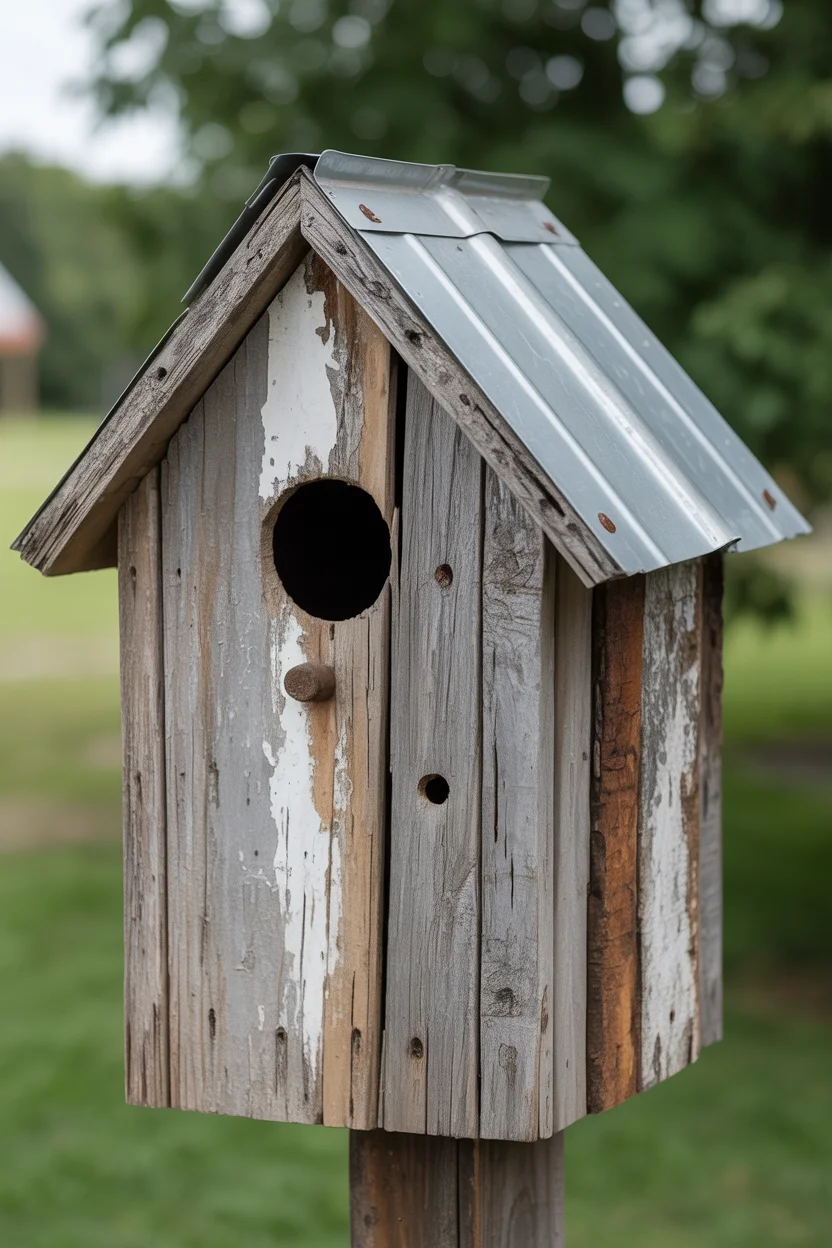
Reclaimed barn wood birdhouses celebrate salvaged materials with inherent character, creating homes with instant aged charm and sustainability credentials. Weathered barn siding brings decades of patina, unique coloring from sun and rain exposure, and historical connection to agricultural heritage. Birds seem to accept these naturally aged structures readily, perhaps recognizing the familiar weathered wood similar to dead trees they’d naturally nest in. Using reclaimed materials diverts wood from landfills while creating one-of-a-kind pieces where no two are identical due to the wood’s varied history and weathering patterns.
Sourcing reclaimed barn wood requires contacting demolition companies, searching salvage yards, or finding online marketplaces where old barns being dismantled offer materials. Alternatively, weathered fence boards or pallet wood provides similar character more readily available. Select structurally sound boards despite cosmetic aging—avoid severely rotted, insect-damaged, or crumbling wood. Clean thoroughly to remove dirt and loose material. Construction follows standard birdhouse building, though weathered wood’s irregular nature may require extra attention to joints and sealing. Embrace rather than hide the aged character: nail holes, paint remnants, sun-fading, and natural splits all contribute authentic charm. Leave the exterior untreated to maintain the weathered appearance, though you can seal with clear exterior finish if desired. Add complementary aged materials like old tin roofing, rusty hinges, or vintage hardware to enhance the reclaimed aesthetic. The result carries history and character impossible to replicate with new materials.
10. Copper Roof Birdhouse With Elegant Patina
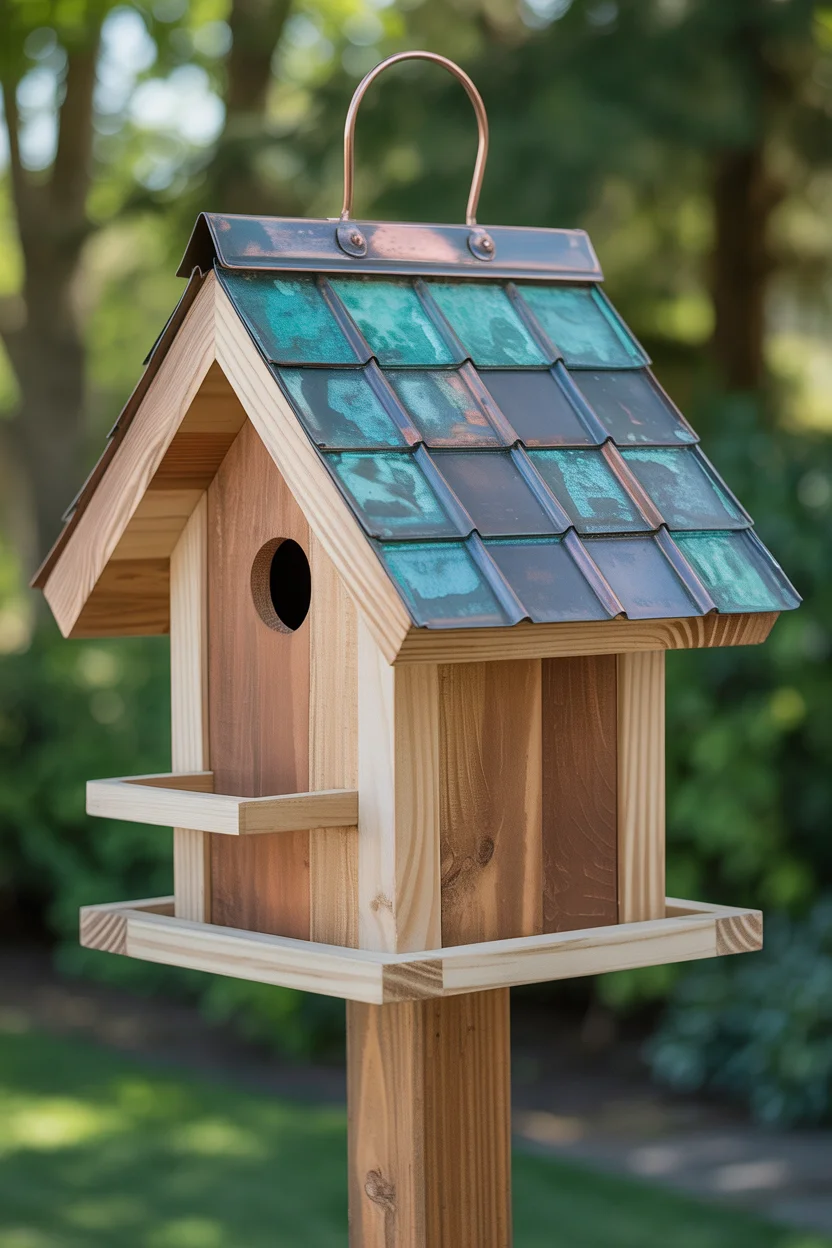
Copper roof birdhouses combine quality craftsmanship with materials that age beautifully, creating increasingly attractive features over time. Copper develops distinctive patina through oxidation—progressing from bright penny-new to bronze, then brown, and eventually blue-green verdigris. This natural aging process means the birdhouse becomes more visually interesting over years rather than deteriorating. The copper provides excellent weather protection, directing rain away from the structure while adding upscale aesthetic appeal. These premium birdhouses suit refined garden settings where quality materials and fine craftsmanship are valued.
Constructing copper-roofed birdhouses involves building a solid cedar or quality wood base following proper birdhouse dimensions, then creating the roof from thin copper sheeting. Purchase copper in rolls or sheets from roofing suppliers or craft stores. Cut copper to size using metal shears, bend to desired pitch, and attach to the wooden roof structure using copper nails or screws. Overlap pieces if using multiple sheets, ensuring water flows downward over joints. Some builders accelerate patina development using chemical treatments, while others prefer letting nature take its gradual course. Leave copper unsealed to allow natural oxidation. The warm wood and evolving copper patina create sophisticated color combinations while providing superior weather protection. The investment in quality materials creates birdhouses that last decades, becoming garden heirlooms that improve visually as they age, unlike typical painted wood structures that require maintenance.
11. License Plate Roof Birdhouse With Americana Flair

License plate birdhouses transform collected plates into functional art, celebrating Americana nostalgia while providing weatherproof bird housing. Old license plates offer weather-resistant material in various colors, graphics, and state designs that create visual interest through their variety. This upcycling approach gives new purpose to expired plates otherwise destined for recycling or disposal. The eclectic, slightly kitschy aesthetic suits casual, fun-loving gardens, especially those with automotive themes, vintage collections, or roadside attraction vibes. The metal provides excellent durability while the varied designs ensure each creation is unique.
Constructing license plate birdhouses starts with a basic wooden structure built to proper birdhouse specifications. Attach license plates to the exterior using small screws or metal rivets, overlapping edges like shingles to shed water effectively. Plates work particularly well for roofs where their slight curve and embossed nature help direct rainfall. Use intact plates for cleaner aesthetics or cut plates with tin snips for custom fitting, though cut edges require filing smooth to prevent bird injury. Mix plates from different states and years for maximum visual variety, or theme your selection—perhaps a single state, specific years, or color-coordinated choices. The metal resists weather beautifully and never needs painting. The nostalgic, playful result appeals to collectors and those who appreciate Americana kitsch, creating birdhouses with personality and provenance through the plates’ histories and geographic origins.
12. Living Roof Birdhouse With Succulent Garden
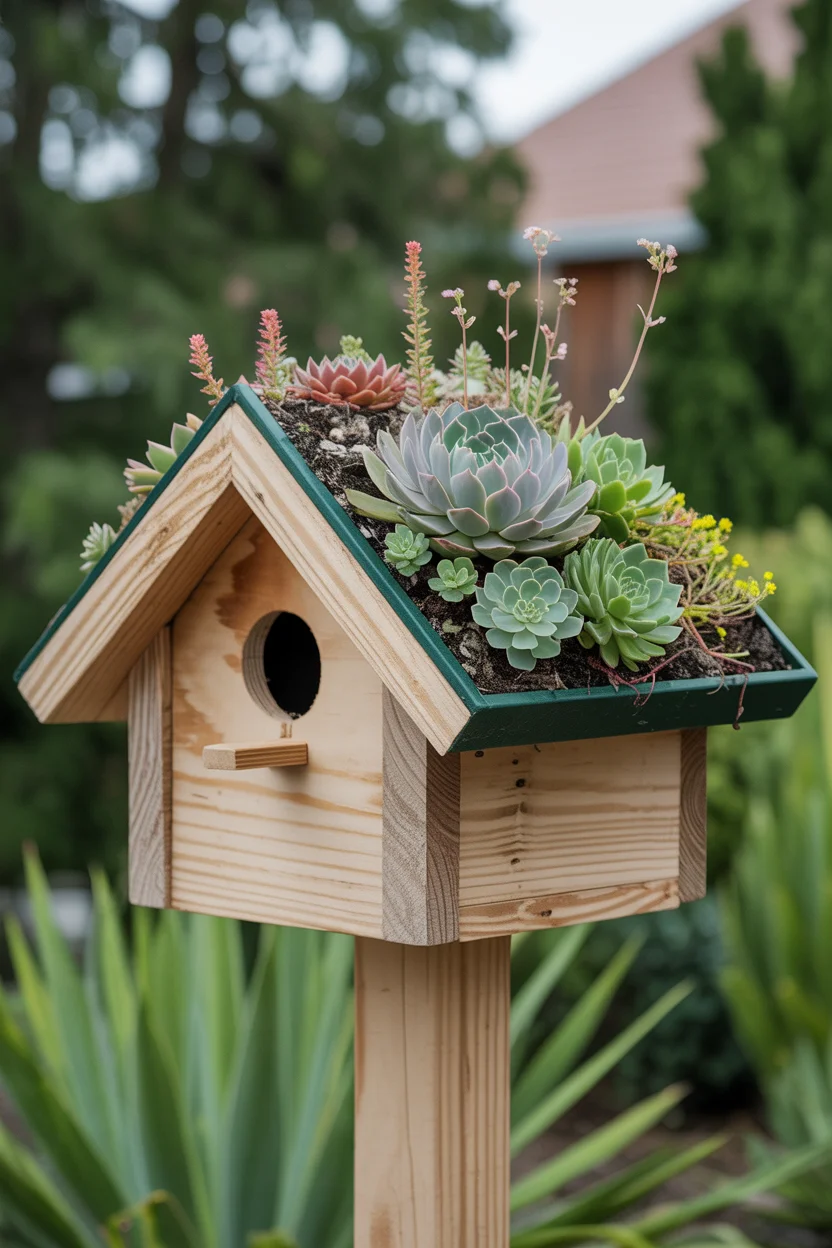
Living roof birdhouses combine bird housing with miniature green roofs, creating eco-friendly structures with enhanced insulation and environmental benefits. The planted roof moderates temperature—cooling in summer, insulating in winter—while providing micro-habitat for beneficial insects and pollinators. Succulents work ideally for this application, requiring minimal soil depth, tolerating drought, and staying relatively low-profile without overwhelming the structure. The living roof concept demonstrates sustainable design principles while creating genuinely beautiful, ever-changing features as plants grow and bloom seasonally.
Creating living roof birdhouses requires reinforced roof construction to support soil and plant weight plus water retention. Build the roof at a gentle pitch (not too steep for soil retention) and line with waterproof membrane or heavy plastic. Add a shallow wooden frame around the roof edges to contain soil—1-2 inches depth suffices for succulents. Fill with lightweight succulent potting mix or specialized green roof growing medium. Plant with hardy succulents like sedums, sempervivums (hens-and-chicks), or other low-growing varieties appropriate to your climate zone. The planted roof requires occasional watering during establishment, then minimal maintenance once plants root. Ensure the birdhouse structure beneath includes proper ventilation and drainage independent of the roof system. Position where you can monitor and maintain plant health. The beautiful integration of bird housing and living plants creates environmentally progressive garden features with genuine aesthetic and ecological value.
13. Gourd Birdhouse With Natural Organic Form
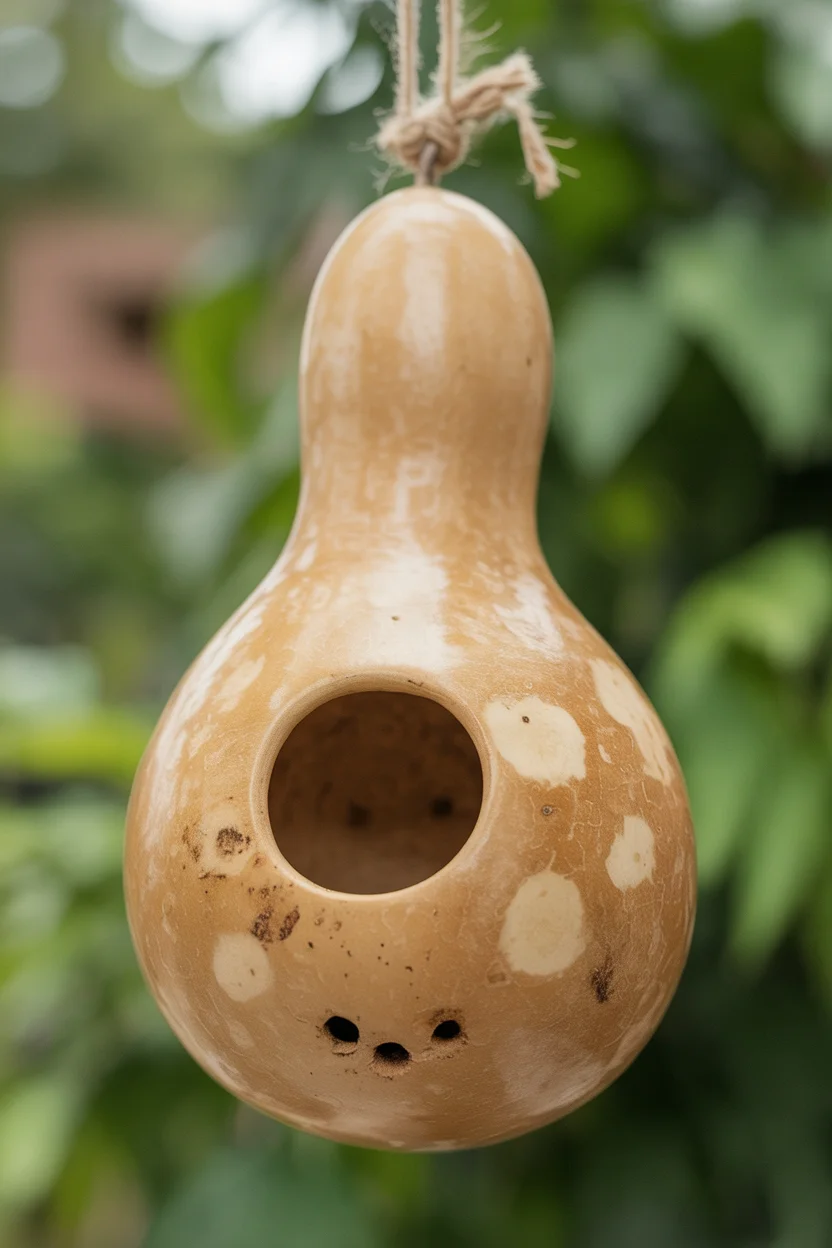
Gourd birdhouses represent the most traditional bird housing method, used for centuries and readily accepted by many bird species. Bottle gourds naturally grow in ideal birdhouse shapes—hollow when dried, with thick walls providing insulation and weather protection. Purple martins particularly favor gourd houses, though many cavity-nesting species accept them. Growing your own gourds creates completely sustainable, zero-cost housing, or dried gourds are available from garden suppliers. The natural material biodegrades eventually but typically lasts several seasons, and the organic form looks appropriate in any garden style.
Creating gourd birdhouses begins with proper gourd selection and drying—a process taking several months as gourds must dry completely until seeds rattle inside. Clean dried gourds by scrubbing exterior mold (normal and harmless), then drill an entrance hole appropriate to your target species using a hole saw. Drill several small drainage holes in the bottom and ventilation holes near the top. Some creators leave gourds natural, while others paint, stain, or decorate them. Attach hanging wire through holes drilled in the neck or top. Clean gourds between nesting seasons by removing old nesting material. The lightweight gourds swing naturally in wind—some birds prefer this movement while others don’t, so experiment with placement. For those wanting the most natural, traditional, and readily-accepted bird housing, gourds offer proven success with minimal processing and zero carpentry skills required.
14. Multi-Family Birdhouse Condo With Separate Units
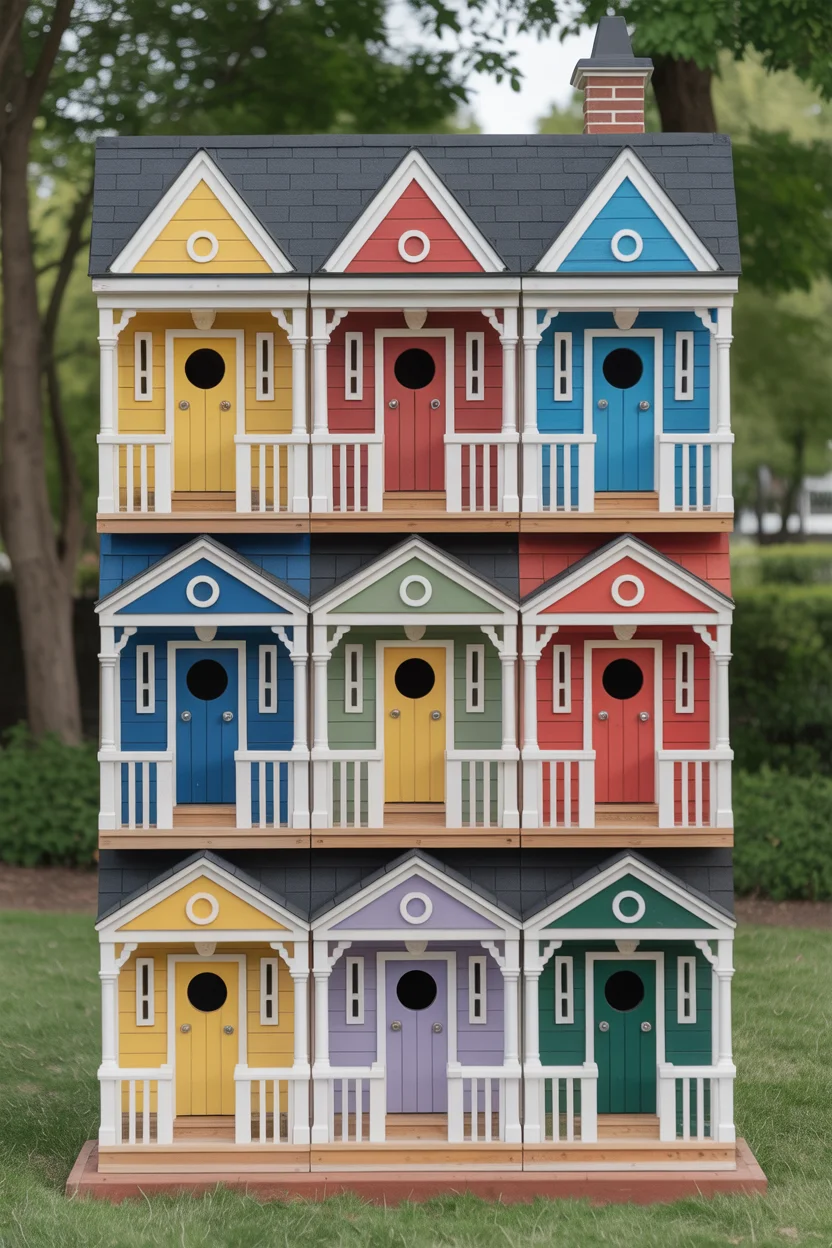
Multi-family birdhouse condos provide housing for several bird pairs in a single structure, creating efficient use of space while making substantial visual impact. These larger creations work particularly well for colonial-nesting species like purple martins, though proper compartment size and entrance holes attract various species. The condo approach concentrates bird activity in one area for easy viewing, and the larger structures become significant garden features. Architecturally, multi-unit designs allow creative expression through varied roof lines, decorative details, and color schemes while maintaining functional purpose.
Building multi-family birdhouses requires careful planning to ensure each unit meets minimum size requirements—typically 6×6 inches floor space and 6-8 inches height per compartment for most songbirds. Space entrance holes adequately apart to reduce territorial disputes. Include individual interior partitions that fully separate units, allowing multiple families to coexist. Ensure proper ventilation and drainage in each compartment independently. Access for cleaning is crucial; create removable sides, floors, or roofs for annual maintenance. The structure’s increased size and weight requires very sturdy mounting on heavy posts or platforms. Consider predator guards around entrance holes and baffles on mounting poles. Paint different units in complementary colors or create themed architectural details for visual interest. The impressive structure attracts attention from both birds and human admirers, creating focal points while providing efficient, concentrated bird housing.
15. Bicycle Basket Birdhouse With Vintage Charm
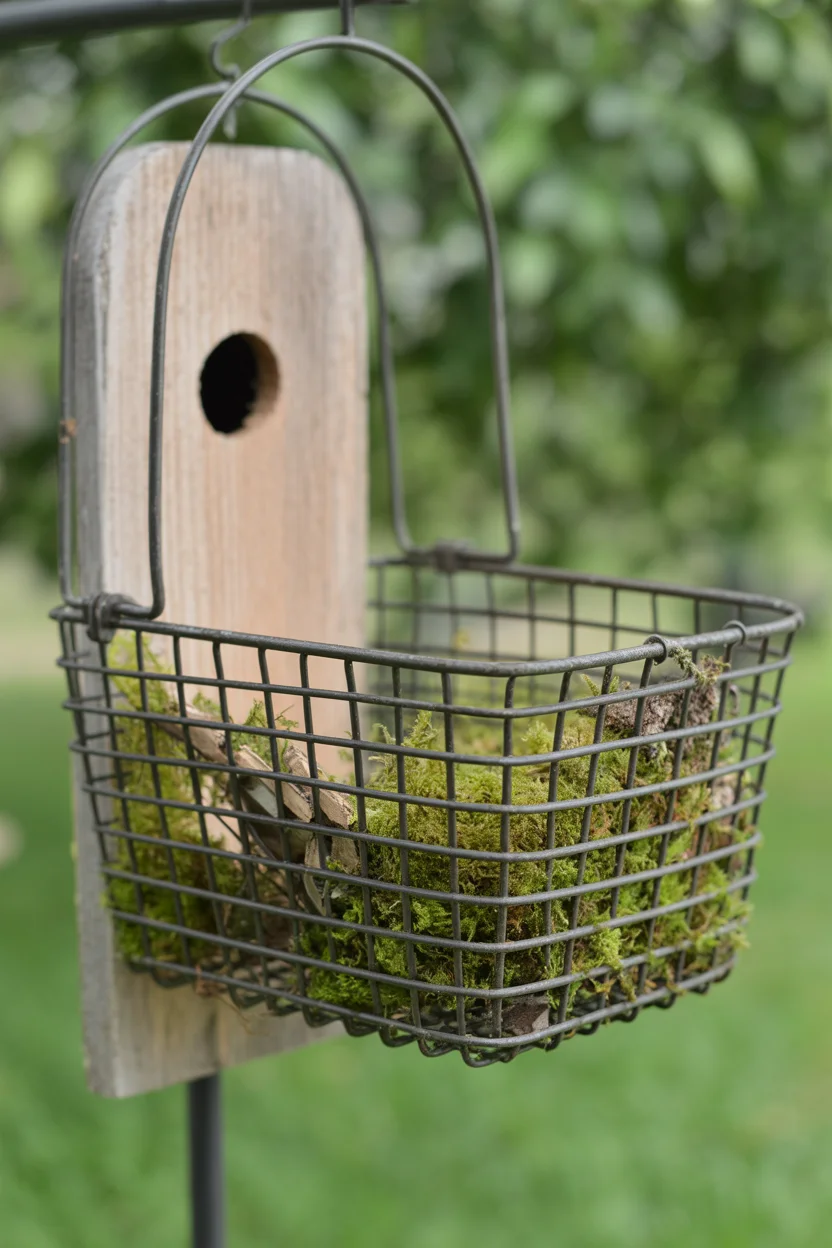
Bicycle basket birdhouses exemplify creative repurposing, transforming vintage or damaged baskets into unexpected bird homes with built-in character. The wire or woven construction provides interesting texture and vintage aesthetic, while the basket’s existing structure simplifies building. This approach works particularly well for shabby-chic, cottage, or eclectic garden styles where unusual materials and creative reuse are celebrated. The project rescues old baskets from disposal while creating virtually free housing with immediate vintage patina impossible to achieve with new materials.
Creating bicycle basket birdhouses requires adding a solid back panel with entrance hole to the basket’s open side, converting the basket into an enclosed cavity. Cut a wooden piece to fit the basket opening, drill an appropriately sized entrance hole, and secure it firmly to the basket with wire, screws, or weather-resistant adhesive. Ensure the basket is structurally sound with no sharp wire ends that could injure birds. Line the interior with natural materials like moss, or allow birds to build nests directly on the basket bottom. Drill small drainage holes if the basket bottom is solid. Mount the basket securely to posts, fences, or walls with the opening facing outward. Weave additional natural materials like moss, twigs, or dried grasses into the wire for enhanced rustic aesthetic and weather protection. The lightweight creation adds unexpected visual interest while providing functional housing with vintage charm and sustainable repurposing credentials.
16. Mid-Century Modern Birdhouse With Retro Style
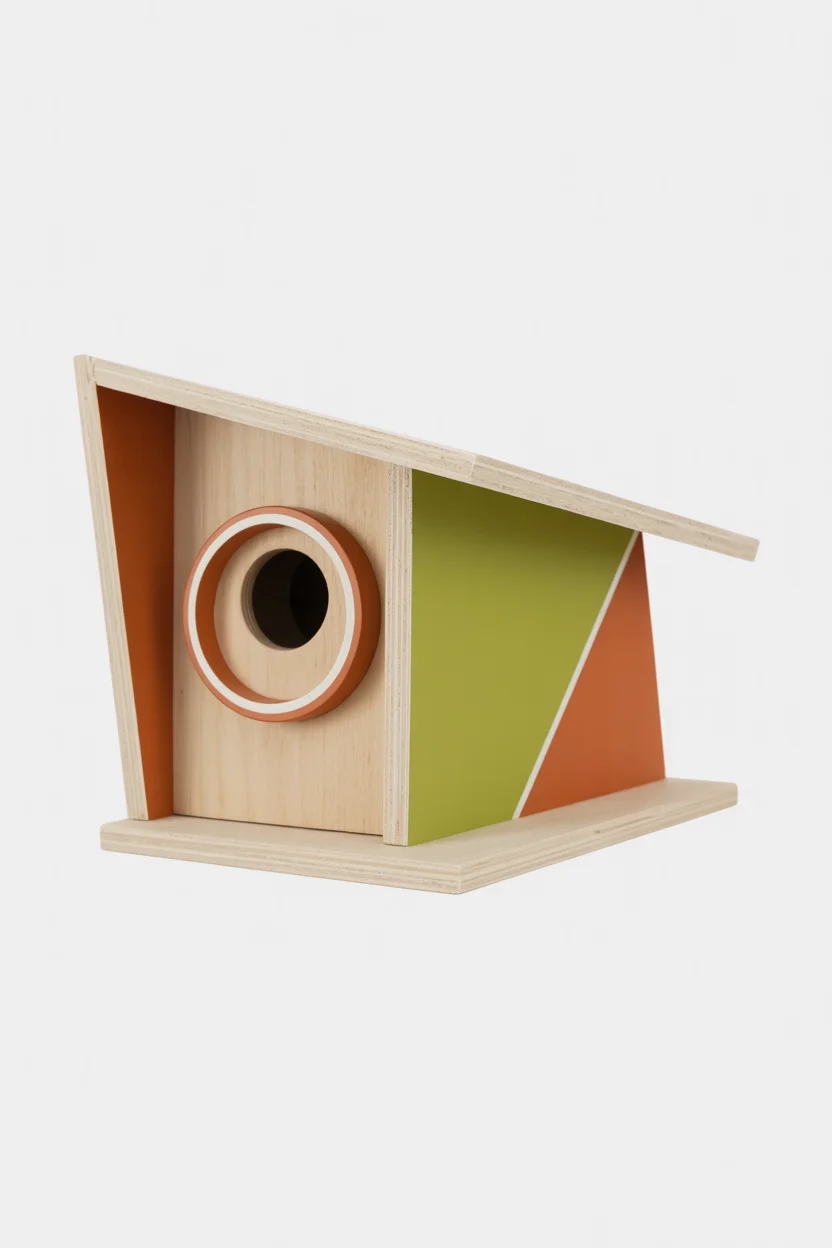
Mid-century modern birdhouses bring retro architectural style to bird housing, creating period-appropriate garden features for homes decorated in this enduringly popular aesthetic. The clean lines, geometric forms, angled roofs, and characteristic color palettes—teak and avocado, orange and brown, turquoise and charcoal—create miniature versions of iconic mid-century architecture. These designs appeal to enthusiasts of the era who want stylistic consistency extending into their gardens. The modernist emphasis on functional design aligns well with proper birdhouse construction, as both prioritize purpose alongside aesthetics.
Constructing mid-century modern birdhouses involves precise cutting of geometric forms and crisp assembly creating clean lines. Use quality plywood or solid wood cut with accurate angles. Characteristic design elements include flat or low-angled roofs (ensure adequate slope for water drainage despite the horizontal emphasis), circular entrance holes with contrasting painted rings, and asymmetrical elements balanced carefully. Apply period-appropriate color combinations using exterior paints—research authentic mid-century palettes for accuracy. Natural wood sections left unstained but sealed complement painted geometric elements. Consider adding authentic details like small “address numbers,” decorative screens, or tiny “planters” that reference period architecture. Mount on simple modern posts or attach to fence or wall surfaces where the architectural details are visible. The retro result creates conversation pieces that delight mid-century enthusiasts while providing genuinely functional bird housing that honors modernist design principles.
17. Mason Jar Birdhouse With Farmhouse Functionality
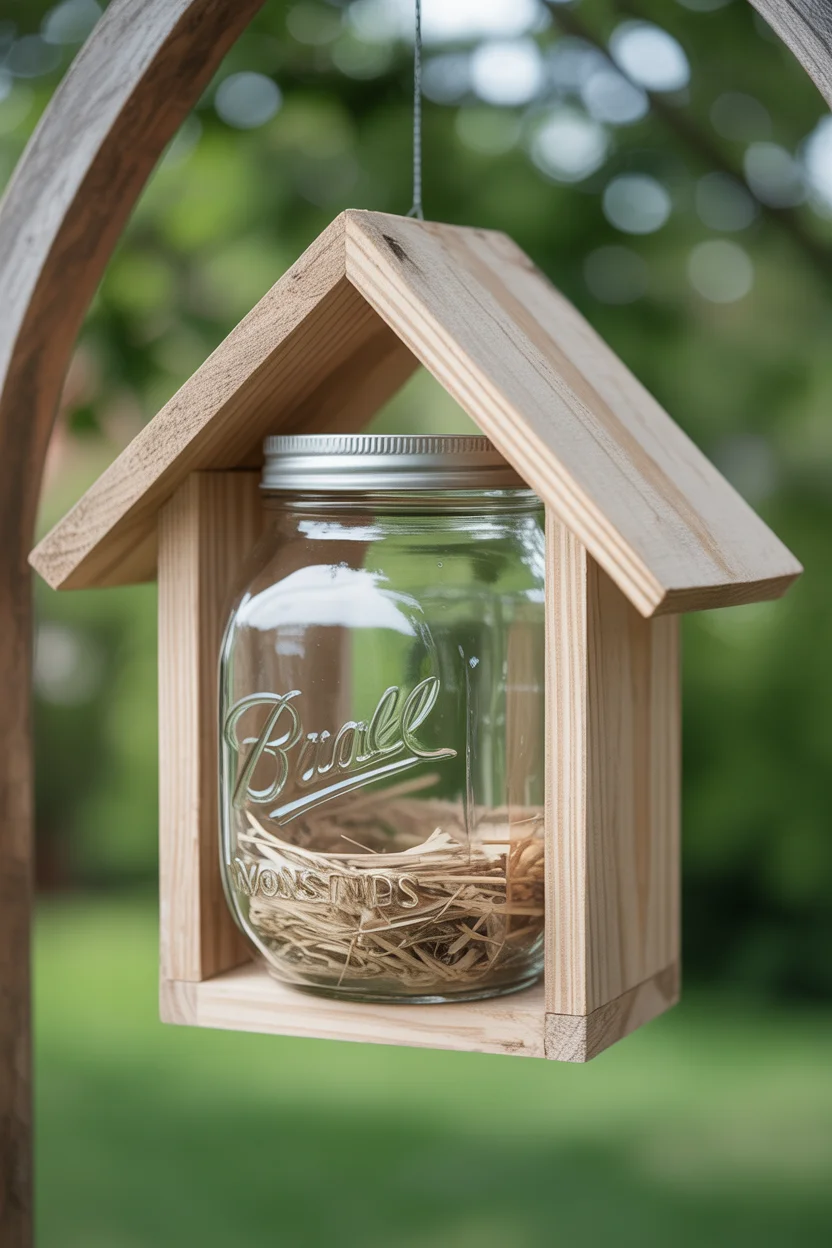
Mason jar birdhouses creatively incorporate glass jars into wooden structures, adding farmhouse charm while potentially offering viewing opportunities. The jar might serve as a transparent section allowing observation of bird activity, or as a functional element holding nesting materials birds can access. This fusion of traditional canning jars with functional bird housing creates on-brand farmhouse aesthetics while introducing innovative features. The glass catches light beautifully, adding sparkle to garden settings while the combination of materials creates visual interest through contrast.
Constructing mason jar birdhouses requires building a wooden housing structure that incorporates the jar securely. One approach embeds the jar into the side with the entrance hole in the wooden section, making the jar an observation window into the nesting area (though many birds may block this view with nesting material). Another method positions the jar as a separate chamber accessible to birds, allowing them to gather materials or use the space as an extension. Secure jars firmly using wooden cradles, cut-out openings, or attached collars that hold them safely. Ensure jars don’t create excessive heat by positioning them where they receive only indirect sunlight. Quart or pint-sized mason jars work well proportionally. The glass requires no treatment but clean thoroughly before installation. The charming farmhouse aesthetic combines practical function with the visual appeal of vintage glass, creating unique birdhouses that reference agricultural heritage while serving genuine bird habitat purposes.
18. Chalkboard Paint Birdhouse With Changeable Messages
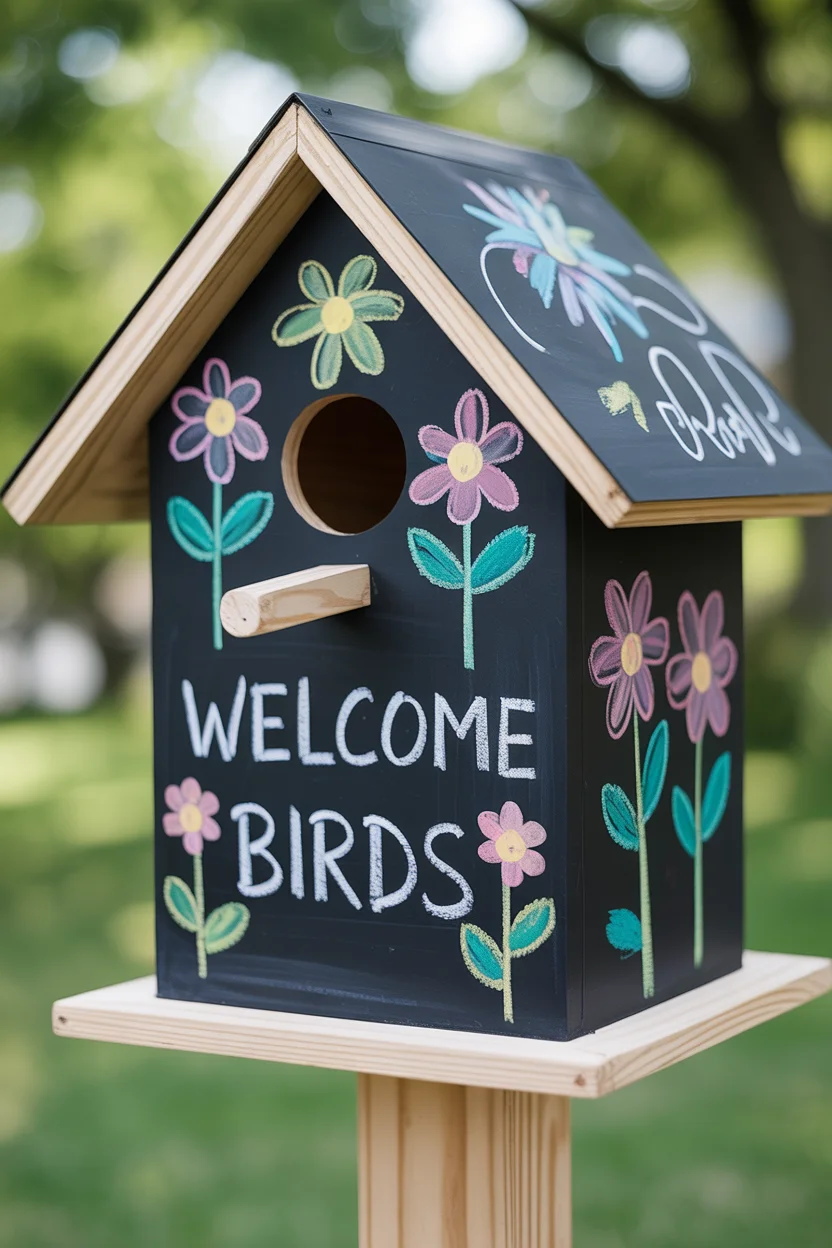
Chalkboard paint birdhouses transform functional bird housing into interactive garden elements where messages, drawings, and decorations can change seasonally or as mood strikes. The black chalkboard surface provides clean, modern backdrop for colorful chalk art, making the birdhouse customizable without permanent commitment. This approach particularly appeals to families with children who can participate in decorating and updating the birdhouse throughout seasons. The interactive nature creates ongoing engagement rather than static garden features, and messages can welcome birds, note successful nestings, or add whimsical personality.
Creating chalkboard birdhouses involves constructing or purchasing a simple wooden birdhouse with relatively smooth surfaces, then applying chalkboard paint to all or selected exterior surfaces. Use exterior-grade chalkboard paint formulated for outdoor durability. Apply multiple thin coats for even coverage and maximum chalk acceptance. Condition the chalkboard surface before first use by rubbing chalk over the entire surface and erasing. Decorate with standard outdoor chalk or chalk markers (permanent until wet). Update seasonally—spring flowers and nesting announcements, summer sunshine and welcome messages, autumn leaves, winter snowflakes. If desired, apply clear acrylic sealer over particularly successful chalk art to preserve it longer. Position the birdhouse where it’s accessible for regular chalk updates and where visitors can appreciate the messages. The customizable, interactive nature creates dynamic garden features while maintaining full functionality as genuine bird housing. Kids especially love the responsibility of updating “their” birdhouse with changing seasons.
19. Nautical Lighthouse Birdhouse With Coastal Theme
Lighthouse birdhouses bring coastal charm to any location, creating nautical-themed garden features with distinctive vertical architecture. The tall cylindrical form provides unique silhouette compared to typical birdhouse shapes, creating visual interest while offering functional advantages—elevated entrance heights and vertical orientation that some bird species prefer. Lighthouse designs allow creative painting and detail work including the characteristic stripes, lantern room details, gallery railings, and working or decorative lights. These themed birdhouses suit coastal properties naturally but also bring seafaring nostalgia to inland gardens.
Constructing lighthouse birdhouses involves creating cylindrical towers from PVC pipe, stacked wooden segments, or shaped solid wood. The challenge lies in crafting the tapered or straight tower with appropriate interior cavity dimensions for birds—minimum 4×4 inches floor space. Create the lantern room at top from wood with clear plastic or glass panels if desired, topping with a copper or painted roof that provides weather protection. Paint in classic lighthouse patterns—red and white stripes, black and white spirals, or regional-specific designs researching actual lighthouse colors. Add miniature gallery railings from dowels or wire, tiny windows from paint or applied wood, and perhaps a small entry door at base for scale. The entrance hole typically positions mid-tower. Mount the lighthouse on substantial posts or platforms giving it prominence and the height these structures naturally deserve. Consider adding solar-powered lantern lights in the top for functional evening illumination that enhances the lighthouse identity while providing garden lighting.
20. Mosaic Tile Birdhouse With Artistic Detail
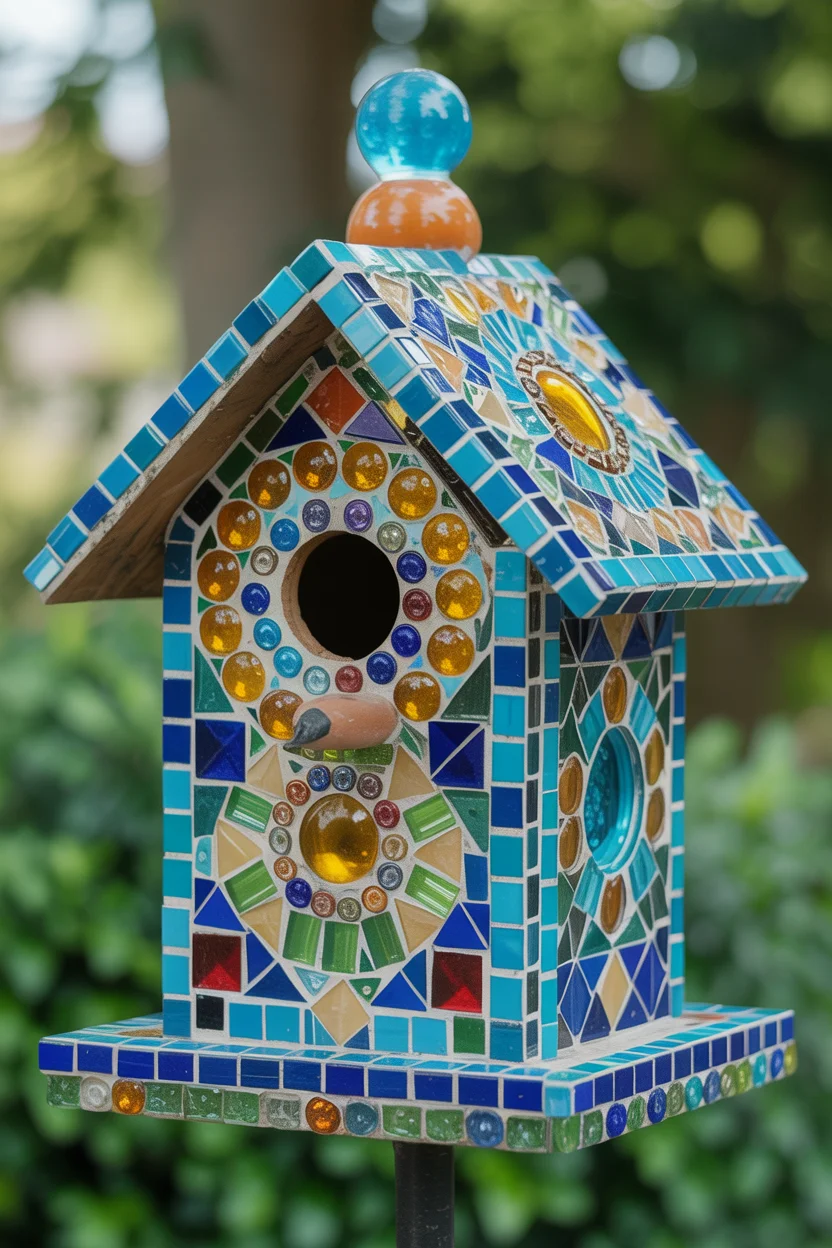
Mosaic tile birdhouses transform simple structures into dazzling garden art through meticulous tile application creating color, pattern, and light-catching sparkle. The mosaic technique allows unlimited creative expression—geometric patterns, floral designs, abstract compositions, or pictorial scenes—while adding substantial weather protection through the tile and grout layers. These labor-intensive creations become permanent garden features and showcase serious artistic commitment. The reflective, colorful surfaces catch sunlight beautifully, creating focal points that draw the eye from across gardens while potentially attracting curious birds to investigate the colorful structure.
Creating mosaic birdhouses requires patience and basic mosaicking skills. Start with a sturdy wooden birdhouse structure ensuring all dimensions are correct for target birds. Apply tiles using outdoor adhesive suitable for wood substrates—thinset mortar or specialized outdoor mosaic adhesive. Use small tiles (1/2 inch to 1 inch) for easier application on curved or angular surfaces. Glass tiles offer maximum sparkle, ceramic tiles provide varied colors and patterns, or mix both for textural variety. Plan your design beforehand or work organically, covering all exterior surfaces while being careful around the entrance hole. Apply grout suitable for outdoor use, working carefully to fill all gaps while avoiding the entrance hole interior. Seal with appropriate grout sealer for weather protection and easy cleaning. The finished mosaic creates permanent, weatherproof, stunning garden art. These special birdhouses often become family heirlooms due to the time investment and artistic value, serving more as decorative garden features than expendable bird housing.
21. Vertical Pallet Wood Birdhouse With Rustic Texture
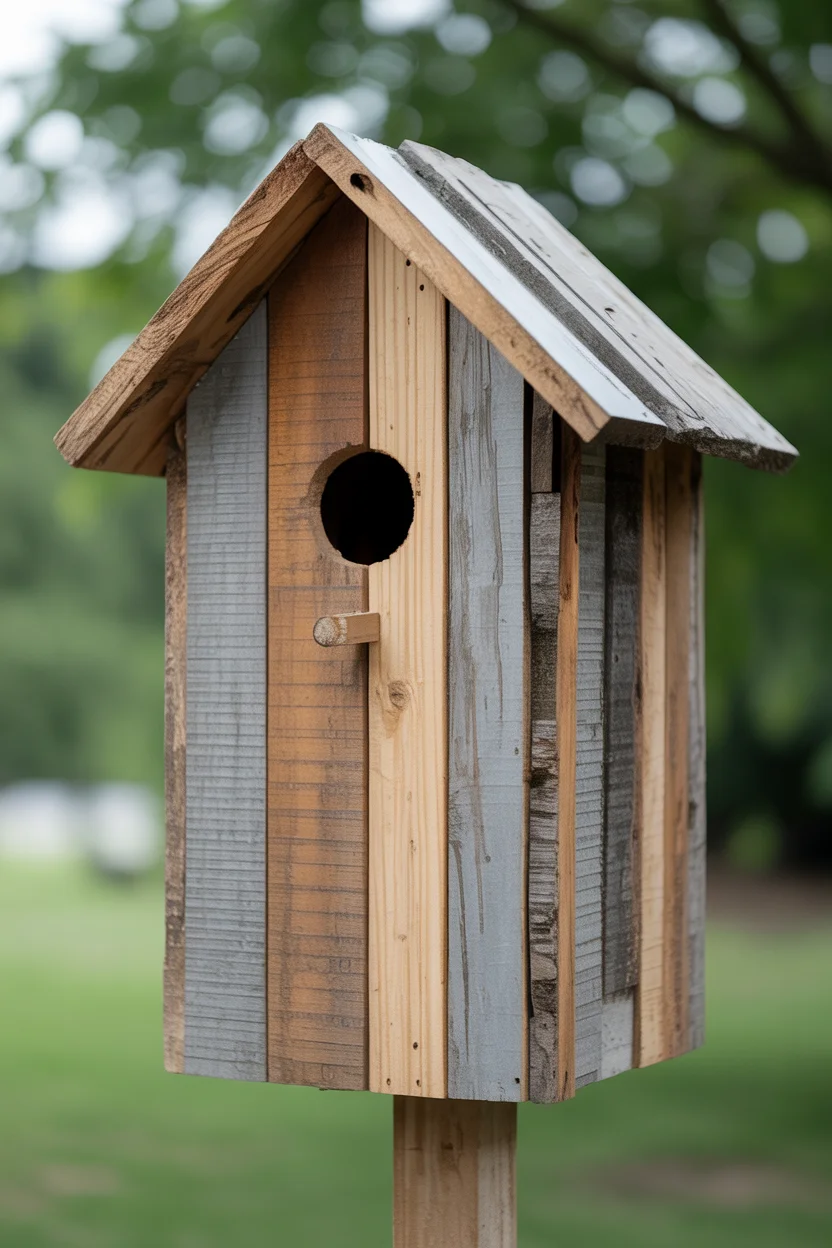
Pallet wood birdhouses embrace readily available reclaimed materials, creating rustic housing with zero material cost while diverting wood from waste streams. Pallets offer varied wood species, weathering, and colors within a single source, allowing textural interest through the material itself. The vertical plank arrangement creates linear visual rhythm while the rough, industrial origin of pallet wood adds authentic character impossible to replicate. This sustainable approach appeals to environmentally conscious builders and those appreciating the rustic, reclaimed aesthetic increasingly popular in garden design.
Building pallet wood birdhouses begins with careful pallet deconstruction, removing nails and selecting the best boards. Inspect carefully for chemical treatment—heat-treated (HT) pallets are safe, but avoid chemically treated wood (marked MB) that could harm birds. Cut boards to needed lengths, embracing varied widths for visual interest. Construct following standard birdhouse plans, arranging the exterior boards vertically, horizontally, or in mixed patterns. The rustic nature of pallet wood means perfect joints aren’t expected; gaps add ventilation though should be sealed if too large. Leave wood natural to showcase its weathered character, or apply clear sealer for additional protection. The rough texture and varied tones create instant aged appearance. Because pallet wood is free and abundant, consider building multiple birdhouses in varied sizes or creating multi-family structures. The reclaimed, rustic result costs nothing but effort while providing environmentally responsible bird housing with authentic character and proven weather-worthiness.
22. Victorian Gingerbread Birdhouse With Ornate Details
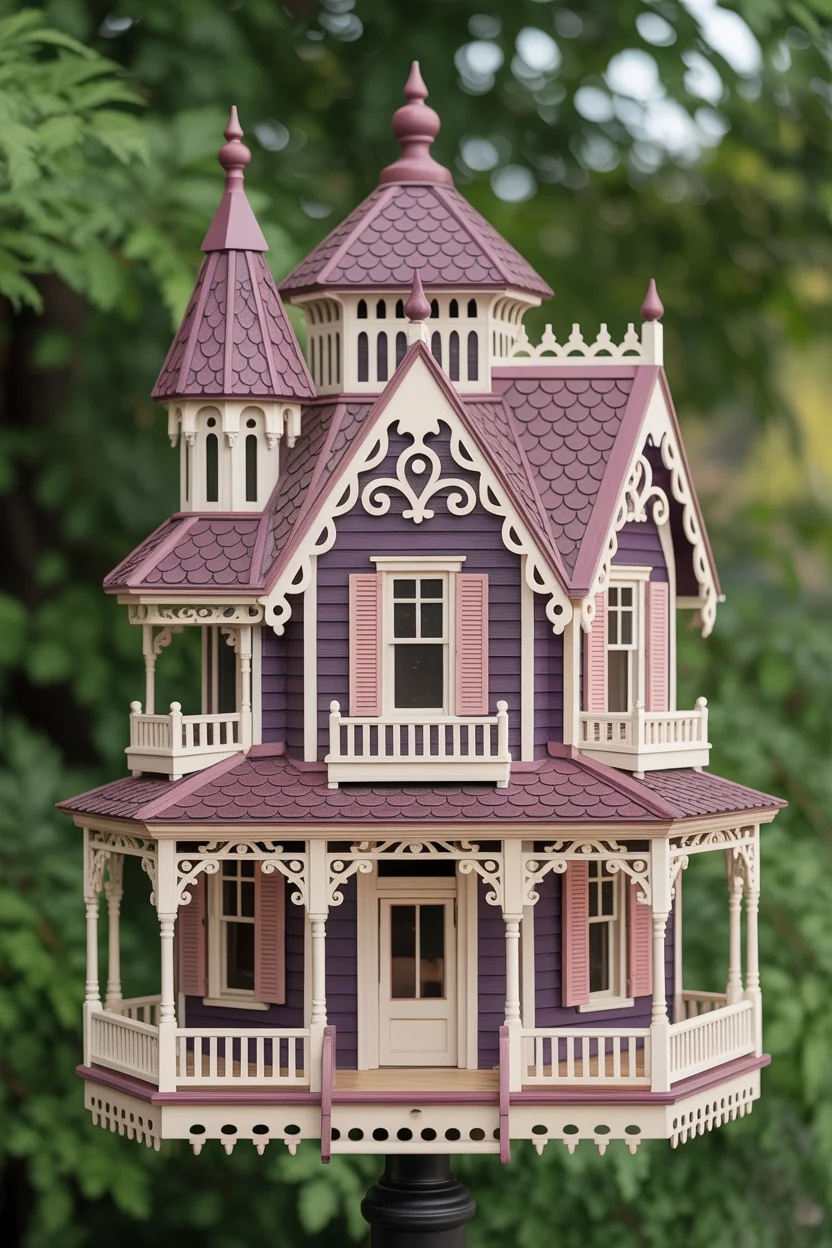
Victorian gingerbread birdhouses recreate the ornate architectural details of late 1800s homes, creating elaborate miniature mansions that showcase woodworking skill and historical appreciation. The characteristic elements—decorative trim, complex rooflines, intricate porches, turrets, and fish-scale shingles—require advanced building techniques and significant time investment. These elaborate creations suit Victorian-era homes or gardens where historically appropriate architecture is valued. The ornate results become garden showpieces that happen to house birds rather than simple functional shelters, representing the ultimate decorative approach to bird housing.
Constructing Victorian birdhouses demands woodworking skills and patience for detailed trim work. Design complex rooflines with multiple peaks, valleys, and perhaps a turret or two, ensuring rain drainage despite complexity. Create gingerbread trim using a scroll saw or purchase pre-made Victorian trim pieces from woodworking suppliers, attaching with strong adhesive and small nails. Apply decorative elements generously—porch posts with gingerbread brackets, window trim, decorative bargeboards along roof edges, finials on peaks. Create fish-scale shingles individually or use embossed materials that replicate the look. Paint in authentic Victorian color schemes—typically three or more colors highlighting different architectural elements. Despite decorative complexity, maintain functional basics: appropriate interior dimensions, proper entrance hole size, ventilation, and drainage. The elaborate project creates heirloom-quality birdhouses that serve as much as garden sculpture as bird housing, representing the pinnacle of decorative birdhouse construction for those valuing historical detail and craftsmanship.
23. Camera Birdhouse With Photographer’s Theme
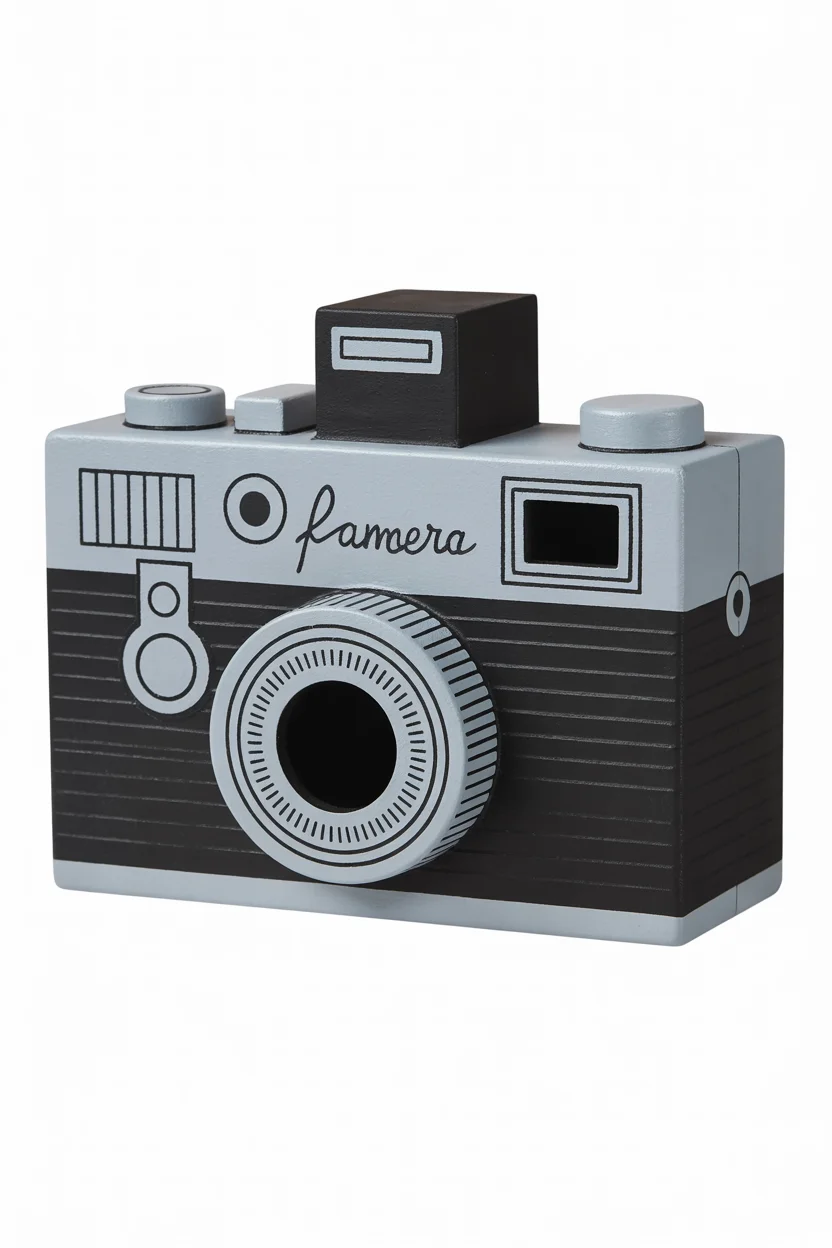
Themed birdhouses allow personal interests and hobbies to extend into garden décor, creating customized structures reflecting individual passions. Camera birdhouses appeal particularly to photography enthusiasts, creating visual puns (birds watching from cameras normally used to watch them) while adding personalized garden art. Theme-based designs—cameras, books, musical instruments, sports equipment, professional tools—transform functional bird housing into conversation pieces that express personality and interests. These creative interpretations make birdhouse building more engaging by connecting to existing passions beyond simple bird attraction.
Creating themed birdhouses requires research into your chosen object’s appearance and proportions, then adapting birdhouse construction to replicate recognizable elements while maintaining functional bird housing requirements. For camera birdhouses, create a rectangular box approximating vintage camera proportions, paint it black or camera-appropriate colors, and add dimensional details—a protruding lens (ensuring the entrance hole centers where the lens glass would be), viewfinder bumps, flash units, knobs, and buttons from wooden pieces or drawer pulls. Paint or apply decal details like brand names, settings dials, and realistic camera features. The entrance hole becomes the camera lens, creating natural integration. Apply similar thinking to other themes: book birdhouses might show spine details with title and author; guitar birdhouses incorporate strings and sound hole entrance; sports ball birdhouses replicate balls with entrance holes. Themed designs create unique, personalized garden features while maintaining functional bird housing underneath the creative exterior.
24. Succulent-Adorned Birdhouse With Living Decorations
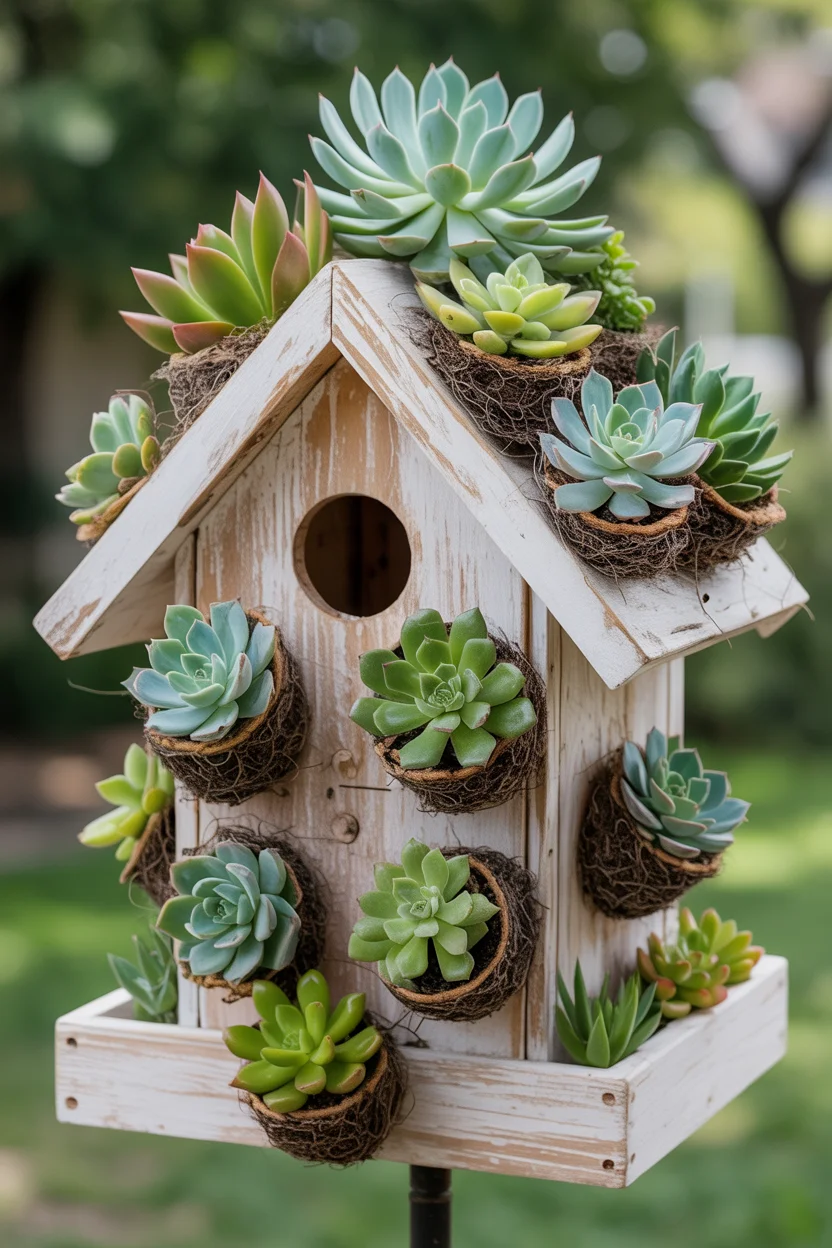
Succulent-adorned birdhouses merge bird housing with living plant displays, creating dynamic features that change as plants grow, bloom, and respond to seasons. Unlike static painted or decorated birdhouses, living plant decorations evolve continuously, ensuring the structure never looks exactly the same twice. Succulents work ideally for this application given their drought tolerance, shallow root systems, and ability to thrive in small spaces with minimal soil. The combination creates habitat for both birds and beneficial insects attracted to succulent blooms, maximizing ecological value while producing genuinely beautiful garden features.
Creating succulent-adorned birdhouses involves building or modifying structures to include planting pockets, attached containers, or horizontal surfaces that support succulent growth. Add small wooden boxes, halved terracotta pots, or wire mesh pouches filled with growing medium around the birdhouse exterior, ensuring they don’t block the entrance hole or ventilation. Plant with hardy succulents appropriate to your climate—sedums, sempervivums, echeverias, or native species. Attach small pots with wire or adhesive, or create built-in planting ledges. Water plantings initially to establish roots, then rely on rainfall and occasional supplemental watering during extreme drought. Position the birdhouse where plantings receive appropriate light for your chosen succulents. As plants grow, they create increasingly abundant coverage and seasonal blooms add color. The living decorations require periodic maintenance—removing dead growth, replanting as needed, occasional division of spreading varieties—making the birdhouse an ongoing gardening project rather than a static structure.
25. Upcycled Book Birdhouse With Literary Charm
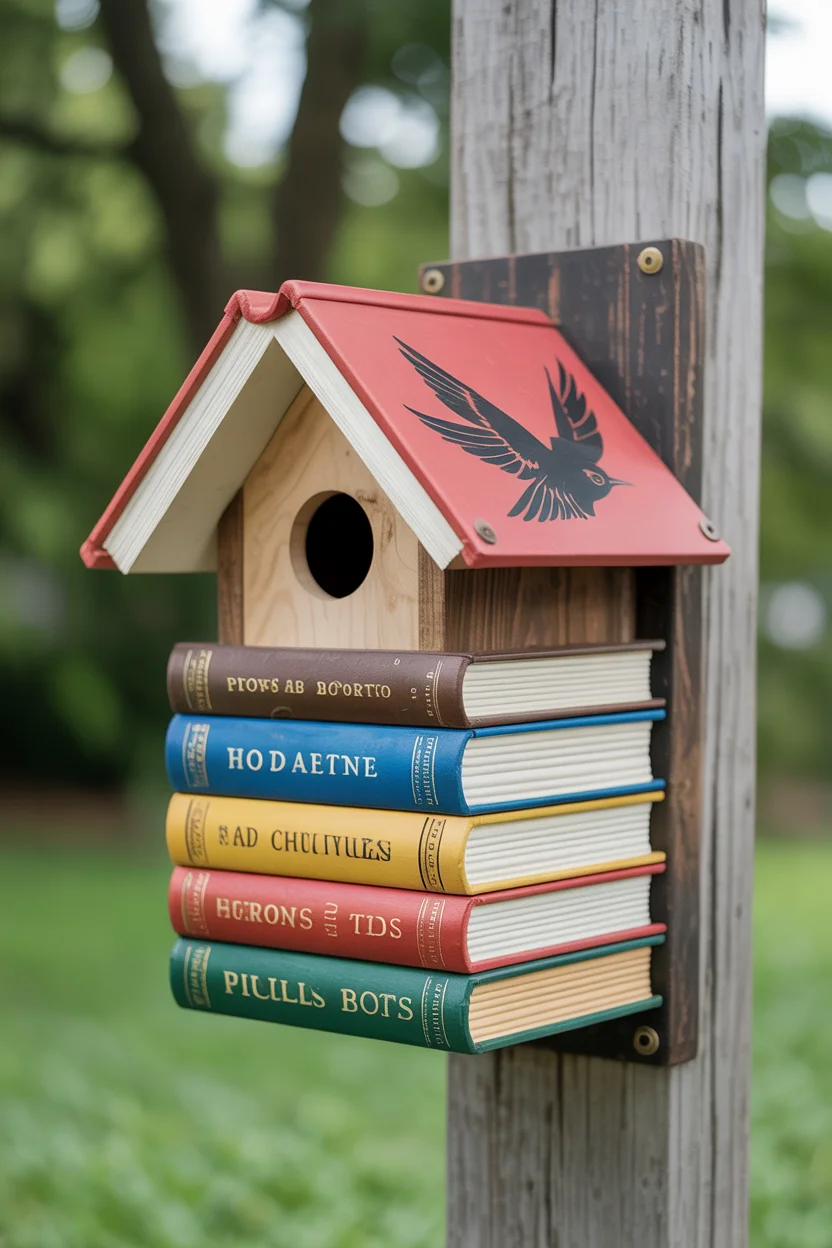
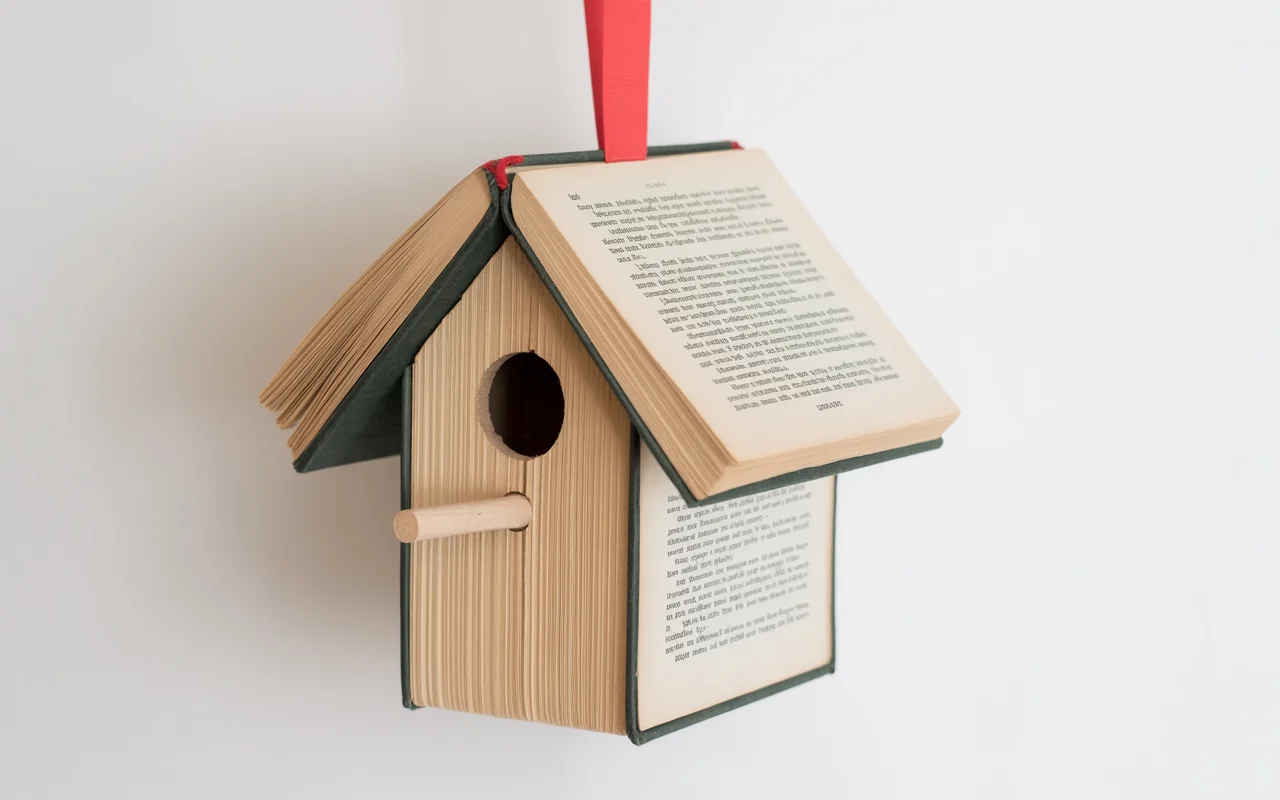
Book-themed birdhouses appeal to literary enthusiasts, creating visual puns and charming garden features that reflect reading passions. The design might replicate a single thick book with the entrance in the cover, or stacked volumes creating a miniature library. Book birdhouses suit garden reading nooks, library gardens, or educator yards where literary themes resonate. The creative approach transforms bird housing into personalized art that sparks conversations and smiles while serving genuine avian needs. These themed creations demonstrate how birdhouses can extend personal interests into outdoor spaces.
Constructing book birdhouses involves creating the basic housing structure first, then adding decorative elements that create book appearance. For stacked book designs, build a tall rectangular structure, then create individual “book” profiles by adding trim pieces that simulate pages and covers at different heights. Paint each section to replicate books, including spine details with titles, authors, and publisher marks. Select meaningful book titles, favorite authors, or bird-related literary references for personalization. For single book designs, create thickness appropriate to bird housing needs, paint the exterior to resemble leather binding or dust jacket, and consider adding decorative elements like bookmarks or reading glasses. The entrance hole might position in the “pages” front or in the cover. Apply clear exterior sealer to protect painted details. These literary birdhouses create perfect gifts for book-loving friends while adding personalized, conversation-starting elements to gardens that reflect the owner’s passions beyond simple bird attraction.
Conclusion
These birdhouse ideas prove that functional bird housing can transcend basic wooden boxes, becoming genuine garden art that reflects personal style while serving avian needs. Whether you embrace rustic reclaimed materials, modern geometric designs, whimsical themes, or elaborate architectural details, the key is maintaining proper dimensions, ventilation, and drainage beneath the creative exterior. Transform your yard into a bird sanctuary with unique homes that welcome feathered friends while expressing your creativity and enhancing your outdoor spaces with personality and charm.

Join The Discussion